
Iliyasu Abdullahi Bah
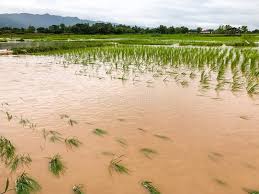
Hundreds of rice farmers across the key agricultural Local Government Areas of Yauri, Ngaski, and Shanga in Kebbi State are confronting total economic ruin and profound despair after a devastating flood destroyed their farmlands, resulting in immediate losses estimated in the hundreds of millions of naira.
The disaster, characterized by a dangerous overflow of the River Niger worsened by intense seasonal rainfall, has completely submerged vast expanses of rice fields at a critical growth stage, ruthlessly wiping out the season’s investment and anticipated harvest.
The calamity has not only destroyed crops but has also shattered the financial stability and food security of entire communities, leaving farmers who had invested heavily in seeds, fertilizers, and labor with absolutely nothing to show for their efforts. An affected farmer, Malam Usman Dankwairo, described the event on Wednesday as “unprecedented and heartbreaking.”
He detailed the sequence of the disaster, explaining how the rising waters from the River Niger initially encroached upon the farms before the relentless rains compounded the situation, creating a powerful overflow that swept everything away.
“God has brought this challenge, and we have already lost everything. For the farmers of Shanga, Yauri, and Ngaski, all I can say is may God intervene in our situation,” Dankwairo stated, his words reflecting the sheer scale of the helplessness felt throughout the region.
Moving beyond a plea for divine assistance, he issued a direct and urgent appeal to leaders at both state and federal levels, emphasizing that symbolic sympathy visits and promises would be insufficient to address the profound crisis.
In 2025, the Nigerian Meteorological Agency (NiMet) and the Nigerian Hydrological Services Agency (NIHSA) listed Kebbi among the states most vulnerable to major flooding.
In its mitigation response, Kebbi State disclosed that it has allocated funds for flood response, including logistics support and community awareness campaigns.
Experts warn that the environmental disaster raises significant alarms beyond individual hardship, threatening to severely disrupt local and potentially national rice supplies, thereby worsening Nigeria’s existing food inflation challenges and underscoring the acute vulnerability of the country’s agricultural heartlands.