


Ebola Cases Top 900 in Conflict-Ridden DR Congo
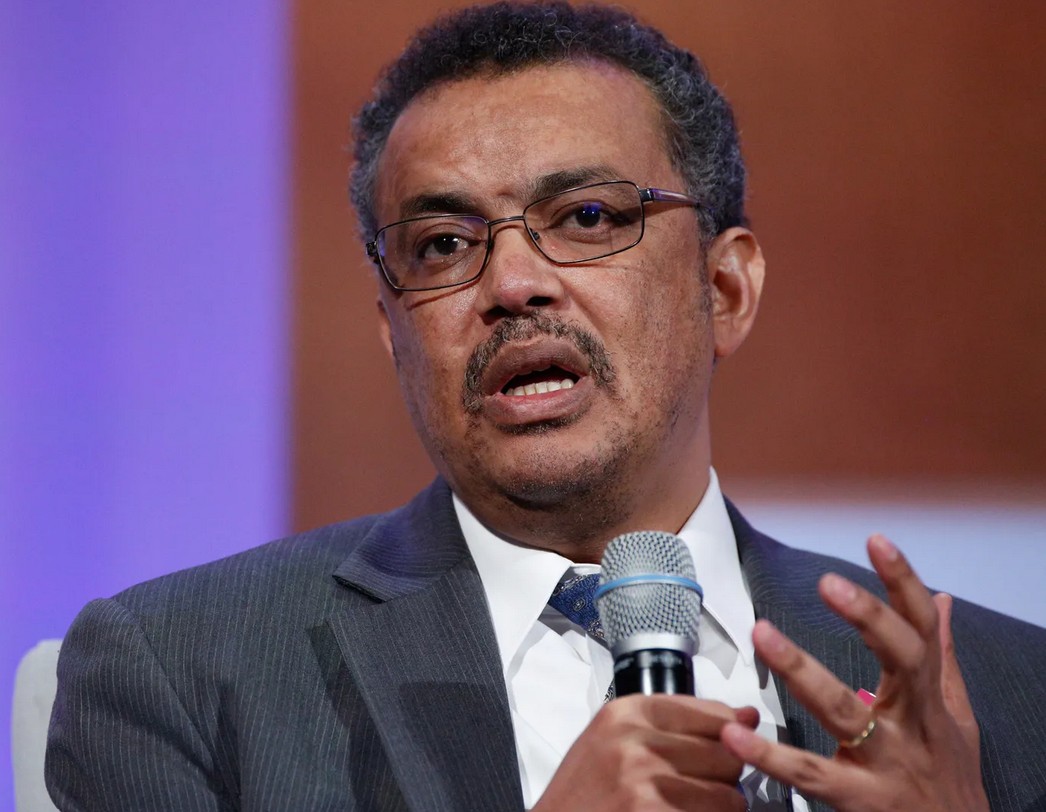
A rapidly accelerating Ebola outbreak in the Democratic Republic of Congo has crossed an alarming threshold, with suspected infections now exceeding nine hundred. World Health Organization Director-General Tedros Adhanom Ghebreyesus confirmed that surveillance teams have identified nine hundred and four suspected cases across the country. The official tally includes one hundred and one laboratory-confirmed infections. The central government recently declared a national state of emergency to combat the flare-up. The World Health Organization subsequently raised the domestic public health risk level from high to very high.
Containment efforts face a severe technical hurdle due to the specific nature of the pathogen. Medical testing confirms the outbreak involves the rare Bundibugyo strain of the Ebola virus. Unlike more common variants of the hemorrhagic fever, this particular strain possesses no approved vaccine or specific treatments. Health workers must rely entirely on basic supportive care and strict isolation protocols to manage patients. The lack of preventative pharmaceutical tools leaves local communities completely exposed to the highly contagious disease.
The epicentre of the crisis remains centred in the volatile eastern province of Ituri, where civil conflict severely hampers medical interventions. Local militias have launched arson attacks on two separate Ebola treatment centres, driven by deep-rooted community suspicion. Decades of state absence and recent international aid cuts have fostered intense local hostility toward external medical teams. Furthermore, forced population displacement has crowded thousands of vulnerable citizens into makeshift camps near the provincial capital of Bunia. These dense, unsanitary settlements create ideal conditions for explosive viral transmission.
Cross-border movement has already transformed the domestic crisis into a regional health emergency. Neighboring Uganda has confirmed five cases of the virus, directly linked to cross-border travel from the Congolese hot zone. The African Union health agency warned that several other adjacent nations face an immediate threat of contagion. In response, international civil aviation authorities suspended all passenger flights into Bunia to slow down geographic spread. The restriction aims to buy time for neighboring territories to establish border screening mechanisms.
The current death toll remains fluid, with government ministries and international agencies reporting varying figures between one hundred and nineteen and two hundred and four fatalities. Local containment operations suffer from critical shortages of basic protective equipment, face shields, and specialized body bags. Traditional burial practices, which involve close contact with highly infectious corpses, continue to drive fresh infection clusters. Global health experts warn that the outbreak will continue to expand until security improves sufficiently to allow safe clinical intervention.