


Naira Holds Steady at N1,370 as Central Bank Intervenes
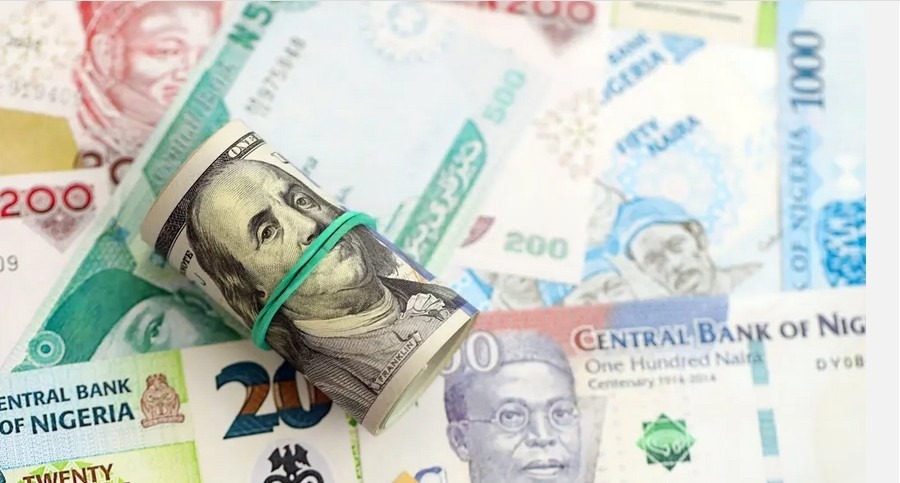
The Nigerian Naira maintained relative stability against the United States Dollar during early morning trading across both official and parallel markets. Financial market data on Tuesday showed the local currency trading near N1,370.94 per dollar at the official window. Bureau de Change operators in Lagos and Abuja reported similar tight trading spreads, indicating a temporary cooling of seasonal speculative demand. The steady performance follows strategic foreign exchange injections by the central bank into the banking system early this week.
This current stability offers a brief moment of comfort to import-dependent businesses navigating volatile operating costs. Commercial banks report that dollar liquidity has improved slightly compared to the chaotic trading sessions observed last quarter. The narrowing premium between the official and parallel market rates suggests that the central bank’s price discovery reforms are yielding results. However, retail traders remain highly cautious, warning that underlying demand for greenbacks still completely outstrips local supply.
Traders attribute the calm trading floor to a notable reduction in corporate speculative buying over the last seven days. Institutional buyers are currently pausing their accumulation strategies to assess the impact of recent treasury bill auctions. The high-yield environment continues to lock up excess Naira liquidity that would otherwise fuel parallel market speculation. Despite this technical reprieve, independent analysts observe that the long-term structural pressure on the national currency remains fundamentally unchanged.
The fiscal authorities depend heavily on these stable intervals to build confidence among incoming foreign portfolio investors. A predictable exchange rate makes local debt instruments significantly more attractive to offshore asset managers. Any sudden breakout from the current trading band could quickly trigger automated capital flight. Consequently, the central bank maintains strict oversight on commercial desks to prevent speculative hoarding of foreign currency.
Market operators expect the currency to fluctuate within its current tight corridor for the remainder of the week. Immediate direction will depend entirely on the volume of dollar sales the central bank offers to licensed retail dealers in the coming days. For now, small businesses enjoy a temporary window of predictable pricing for international supply orders. True structural permanence, however, will require a substantial increase in non-oil export revenues to back the local currency.