
1,800+ Dead in Middle East War -WHO
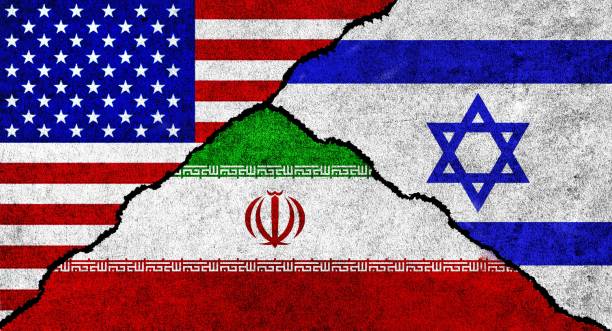 USA, Iran and Israel flag together on a textured background. Diplomatic relations between Israel, Iran and United States of America concept
Health systems across the Middle East are approaching total collapse under the weight of a rapidly escalating military confrontation between the United States, Israel, and Iran, with the World Health Organisation confirming that over 1,800 people have been killed and 12,500 others injured in less than fourteen days of sustained hostilities.
Tedros Adhanom Ghebreyesus, Director-General of the WHO, issued the casualty figures in a statement posted to his X account on Wednesday, March 11, 2026, as the conflict entered its second week with no indication of imminent de-escalation. The death toll, which has climbed steeply since the opening salvoes on February 28, includes more than 1,300 fatalities in Iran, at least 570 in Lebanon, and 15 in Israel, alongside injury figures of approximately 9,000 in Iran, over 1,400 in Lebanon, and 2,142 in Israel.
“More than ten days into the recent escalation of conflict in the Middle East, health systems are under immense strain,” Tedros wrote. “These attacks not only claim lives but also deprive communities of critical care when they need it most.”
The WHO chief’s warning comes as the humanitarian situation deteriorates across multiple fronts. Displacement has reached alarming levels, with over 100,000 Iranians forced to relocate within their own country and up to 700,000 Lebanese citizens displaced, many now sheltering in overcrowded conditions with severely limited access to clean water and sanitation facilities. Tedros specifically highlighted the vulnerability of women and children in these circumstances, noting that deteriorating sanitary conditions have created heightened risks of communicable disease outbreaks among displaced populations.
The targeting of medical infrastructure has emerged as a particularly devastating feature of this conflict. Since February 28, the WHO has verified 18 attacks on health facilities in Iran, 25 in Lebanon, and two in Israel, resulting in multiple deaths and injuries among health workers. In Iran, these attacks have killed eight medical personnel, while in Lebanon, sixteen health workers have died and twenty-nine have been injured. The closures of healthcare facilities have compounded the crisis, with Lebanon reporting that forty-nine primary health-care centres and five hospitals have shut down following evacuation orders issued by the Israeli military.
The conflict’s origins trace back to February 28, 2026, when the United States and Israel launched coordinated airstrikes against Iranian targets, including the compound of Supreme Leader Ayatollah Ali Khamenei, who was killed in the initial wave of attacks. The White House, in statements issued by President Donald Trump, justified the military operation as necessary to neutralise Iranian missile and nuclear threats. The strikes, which numbered nearly 900 in the first twelve hours according to military analysts, targeted Iranian air defences, missile installations, military command centres, and leadership compounds across Tehran and other major cities.
The Islamic Revolutionary Guard Corps responded immediately with retaliatory operations, launching ballistic missiles and drones against Israeli targets and US military installations across the Gulf region. Attacks have targeted US bases in Bahrain, Jordan, Kuwait, Qatar, Saudi Arabia, and the United Arab Emirates, drawing these nations directly into the conflict zone. The Iranian retaliation has also included strikes on commercial shipping in the Strait of Hormuz and energy infrastructure, triggering a surge in global oil prices and prompting the International Energy Agency to authorise an unprecedented release of 400 million barrels from emergency stockpiles.
Environmental hazards have added another layer of public health risk. Tedros noted that damage to petroleum facilities in Iran has released toxic pollutants into the atmosphere, exposing nearby communities to potential respiratory problems, eye and skin irritation, and contamination of water and food sources. The Iranian Red Crescent Society has warned Tehran residents to remain indoors due to the risk of acid rain from burning fossil fuel installations struck during the bombing campaign.
The WHO’s logistics operations have been severely disrupted by the conflict. The organisation’s Global Health Emergencies Logistics Hub in Dubai, which processed more than 500 emergency orders for seventy-five countries in 2025, has suspended operations due to airspace closures and security concerns. This paralysis has stranded 18 million in humanitarian health supplies and blocked 8 million in incoming shipments, affecting more than fifty emergency supply requests from twenty-five countries. Critical medical supplies, including 6 million in medicines for Gaza and 1.6 million in polio laboratory supplies destined for Afghanistan and Pakistan, remain inaccessible.
The funding crisis for humanitarian operations has reached critical levels. WHO emergency operations across the Eastern Mediterranean Region, which already accounted for nearly half of global humanitarian needs before this conflict began, currently face a seventy percent funding gap. Tedros warned that without immediate financial support, essential health services will cease and preventable suffering will deepen.
International diplomatic efforts have produced limited results. The United Nations Security Council adopted a resolution on March 11, 2026, condemning Iran’s attacks on Gulf states as a “breach of international law” and “serious threat to international peace and security,” though the measure passed thirteen to zero with Russia and China abstaining. Iranian and Russian diplomats criticised the resolution for failing to mention the US-Israeli strikes that initiated the conflict.
Iran’s political landscape has been fundamentally altered by the killing of Khamenei, who had served as Supreme Leader since 1989. On March 8, 2026, Iran’s Assembly of Experts elected his son, Mojtaba Khamenei, as the new Supreme Leader, though reports emerged on March 12 that the new leader had been injured in ongoing strikes. Iranian President Masoud Pezeshkian has stated that the conflict will only end with “recognition of Iran’s legitimate rights, payment of reparations, and firm international guarantees against future aggression,” while President Trump has indicated the operation could continue for “four to five weeks” or longer.
The civilian toll has drawn increasing international scrutiny. A strike on the Shajareh Tayyebeh primary school in Minab, southern Iran, on February 28, killed more than 160 people, predominantly schoolgirls, according to Iranian authorities. Preliminary findings from a US military investigation, reported by The New York Times on March 11, suggested the strike resulted from outdated targeting data. The incident has intensified debate regarding civilian protection standards and the use of precision munitions in densely populated areas.
Tedros concluded his statement with an urgent appeal to all parties: “WHO calls on all parties to protect civilians and health care, ensure unimpeded humanitarian access, and work toward de-escalation. The urgency for action is critical to prevent the collapse of already fragile health systems and to support the recovery of impacted communities.”