


8 New Sports Debuting at the 2026 Winter Olympics
The 2026 Winter Olympics introduces sports that look more like extreme adventure challenges than traditional competitions. When do 2026 Winter Olympics start bringing these wild new events to Milan and Cortina d’Ampezzo? February 6, 2026. And trust me, you’ve never seen winter sports quite like these before.
1. Ski Mountaineering: Racing Up Mountains on Skis
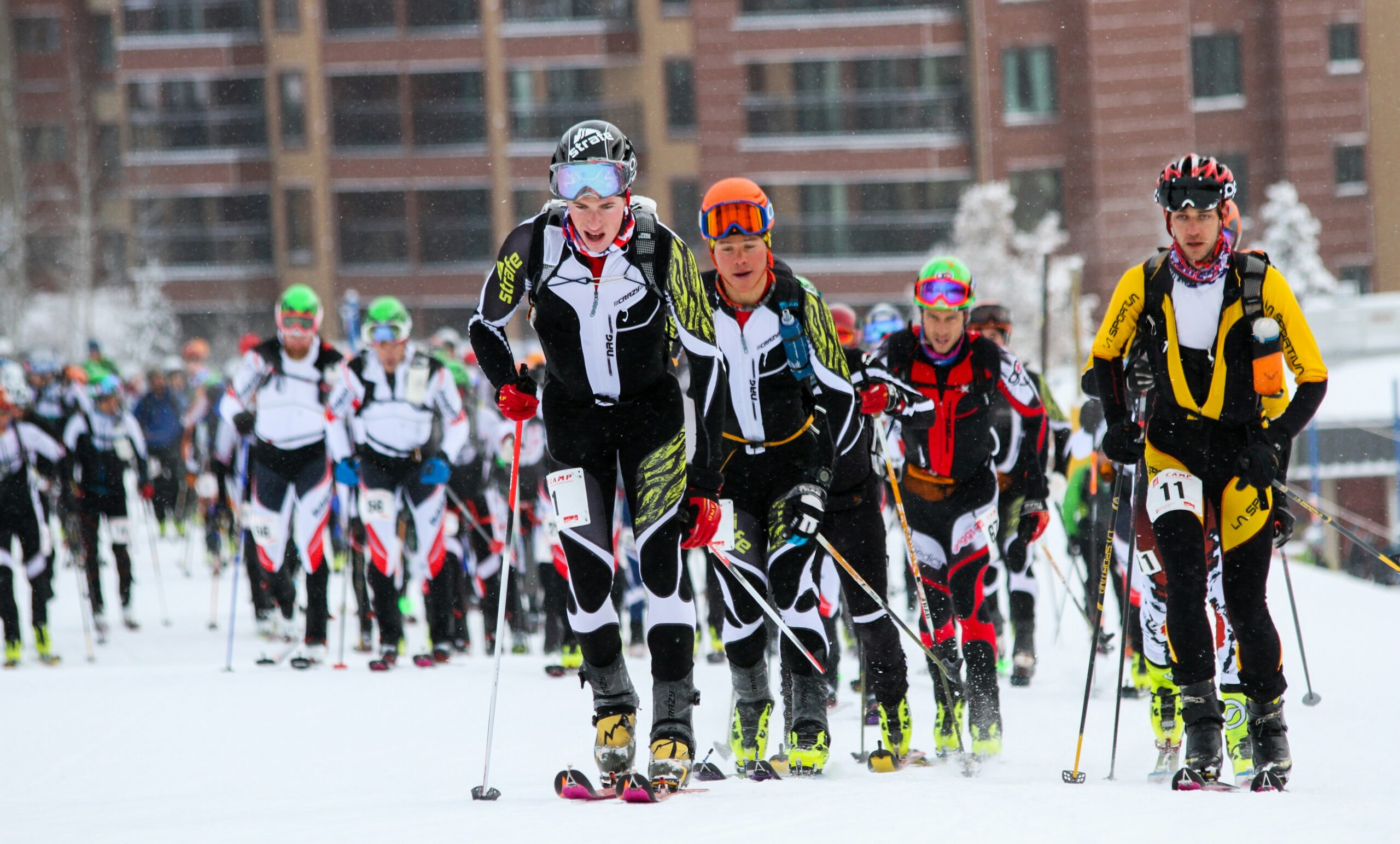
Ski mountaineering makes its Olympic debut as the most physically brutal event on the schedule. Athletes clip climbing skins to their skis, race uphill for thousands of vertical meters, rip the skins off at the summit, then bomb back down at terrifying speeds.
The sport combines endurance racing with technical skiing. Competitors carry minimal gear and make split-second decisions about route selection. A wrong turn wastes precious energy. Poor downhill technique sends you tumbling into snowbanks while rivals disappear ahead.
The 2026 winter olympics venue in Cortina d’Ampezzo provides perfect terrain for this madness. Steep alpine faces test cardiovascular limits. Athletes burn over 1,000 calories per hour during competitions. It’s exhausting just watching them.
Switzerland and France dominate early rankings, but expect surprises. Kenyan and Ethiopian runners have started training in European ski resorts, applying their legendary endurance to snow sports. Could we see East African athletes on winter Olympic podiums? Ski mountaineering might be their breakthrough moment.
2. Big Air Snowboarding in a Livigno
Big air isn’t technically new, but the 2026 venue is bonkers. The Livigno Snow Park is the centerpiece for park and pipe disciplines. It features a unique “convergent” design where five distinct competition areas converge into a single finish zone, creating an immersive viewing environment that allows spectators to monitor multiple events simultaneously. This layout represents a significant advancement in Olympic venue planning, maximizing the “adrenaline” experience for the audience
When is Milan 2026 Winter Olympics big air final? February 18 at 8 PM local time. The evening slot maximizes crowd energy and creates stunning visuals for broadcasts. Expect record viewership for what amounts to snowboarding theater.
3. Mixed Team Ski Jumping
Ski jumping added mixed team events where men and women compete together. Four athletes per country, alternating jumps, with scores combined for team totals. Sounds simple until you realize the pressure multiplier.
In individual events, you control your own fate. Mess up a landing and you alone pay the price. In team competitions, your mistake costs three teammates their medal chances. That psychological weight crushes some athletes while elevating others to heroic performances.
The 2026 winter olympics events include this format on the large hill, where jumpers fly over 130 meters through the air. Women historically used smaller hills due to outdated gender assumptions about physical capability. This mixed format proves those assumptions wrong while creating nail-biting drama.
Germany and Norway field the strongest mixed teams, but watch for Japan’s technical precision. Their jumpers maintain perfect form even under extreme pressure, a mental skill that matters when one slip costs the entire team.
4. Freestyle Skiing Mixed Team Aerials
Aerials already looks insane. Skiers launch off jumps, flip three times while twisting four times, then somehow land on their feet. Now imagine three athletes doing this back-to-back-to-back with combined scores determining winners.
Mixed team aerials adds men and women to the same squad. Teams strategically order their jumpers, often saving the most difficult tricks for anchor positions. One athlete can redeem a teammate’s mistake with a flawless triple-twisting triple backflip.
The risk calculation changes completely in team format. Do you play it safe to guarantee decent points or throw your hardest trick and risk catastrophic failure? Coaches scream strategy from the sidelines while athletes float 15 meters above the snow, bodies contorted in ways that defy physics.
China dominates aerials with a training system that identifies young athletes and drills perfect technique through thousands of repetitions. Their mixed teams combine male power with female precision, creating nearly unbeatable combinations.
5. Short Track Speed Skating Mixed Relay Madness
Short track relay races have always been chaotic. Add men and women to the same team, and it becomes absolute mayhem. Four skaters per team, two men and two women, racing 2,000 meters while pushing teammates forward and swapping positions mid-race.
The exchanges happen at full speed. One skater grabs their teammate and literally throws them forward to maintain momentum. Mess up the timing and you lose a full second. Perfect it and you gain critical advantages over rivals.
When is the 2026 winter olympics opening ceremony kicking off this insanity? The mixed relay happens February 14, perfectly timed for Valentine’s Day chaos. Expect crashes, disqualifications, and underdog teams stealing medals through aggressive tactics.
South Korea perfected short track relay strategy over decades. Their skaters communicate through subtle hand signals invisible to competitors. Canada counters with raw speed and aggressive passing on the inside lanes. These contrasting styles create incredible racing.
6. Women’s Nordic Combined: Long Overdue and Finally Here
Nordic combined requires athletes to ski jump, then immediately race 10 kilometers in cross-country skiing. It’s been a men-only Olympic sport for nearly 100 years. The 2026 Winter Olympics finally adds women after years of pressure from athletes and advocates.
The sport demands contradictory skills. Ski jumping requires explosive power and technical precision. Cross-country skiing needs sustained endurance over brutal terrain. Training for both simultaneously means neither skill reaches maximum potential, creating fascinating tactical tradeoffs.
Germany’s Gyda Westvold Hansen leads the women’s rankings. She’s a converted ski jumper who added cross-country training later in her career. Her jumping technique gives her early leads that force competitors to chase desperately through forest trails.
Nordic combined might be weird, but the real weirdness is how long women were excluded. Their addition corrects a historic oversight and brings exceptional athletes into Olympic competition.
7. Snowboard Cross Mixed Teams: Organized Chaos on Snow
Snowboard cross pits four riders against each other on a twisting course filled with jumps, berms, and rollers. Whoever crosses the finish line first wins. Now add mixed teams where men and women race simultaneously on parallel courses, and you get beautiful chaos.
Teams strategize about which rider races which section. Do you lead with your strongest woman to build an early advantage? Or save her for the anchor leg where she can close a deficit? These decisions play out in real time while athletes slam into each other at 70 kilometers per hour.
The 2026 winter olympics venue in Cortina features a snowboard cross track with a massive jump halfway through. Riders go airborne for four seconds, making passing attempts mid-flight. It’s reckless, dangerous, and absolutely thrilling to watch.
Australia and France have dominated early World Cup mixed team events. Their chemistry and communication give them edges over individually talented riders from other nations. Teamwork matters as much as raw skill.
8. Big Air Skiing: Because Snowboarders Shouldn’t Have All the Fun
Big air skiing mirrors the snowboard version but with longer planks strapped to athletes’ feet. Skiers launch off the same massive jumps, spinning and flipping through impossible combinations before landing switch.
The sport evolved from freeskiing culture where athletes built backyard jumps and posted videos online. Now it’s in the Olympics, validating a movement that traditional ski racing tried ignoring for years. How to watch 2026 winter Olympics big air skiing? SuperSport covers all freestyle events, with replays available on Olympic streaming platforms.
Norwegian skier Birk Ruud won the inaugural Olympic gold in 2022 with a switch triple cork 1980. For context, that’s three off-axis flips while spinning five and a half rotations. He landed backward. On purpose. While traveling 80 kilometers per hour.
Expect even more technical progression by 2026. Athletes are training quadruple corks in foam pits, tricks once thought physically impossible. Someone will land one in competition. The question is who risks it when gold medals hang in the balance.
Are These Sports Too Weird for the Olympics?
The International Olympic Committee added these events to attract younger viewers and showcase athletic innovation. Some critics argue they dilute traditional winter sports. Others celebrate the evolution of competition formats that reward creativity alongside established excellence.
One thing’s certain: the 2026 Winter Olympics in Milan and Cortina d’Ampezzo will look radically different from previous games. These wild, and wonderful sports guarantee unforgettable moments. Which event will you be watching when the games begin?