
Age Without Records: Obasanjo Opens Up on Birth, Memory and History
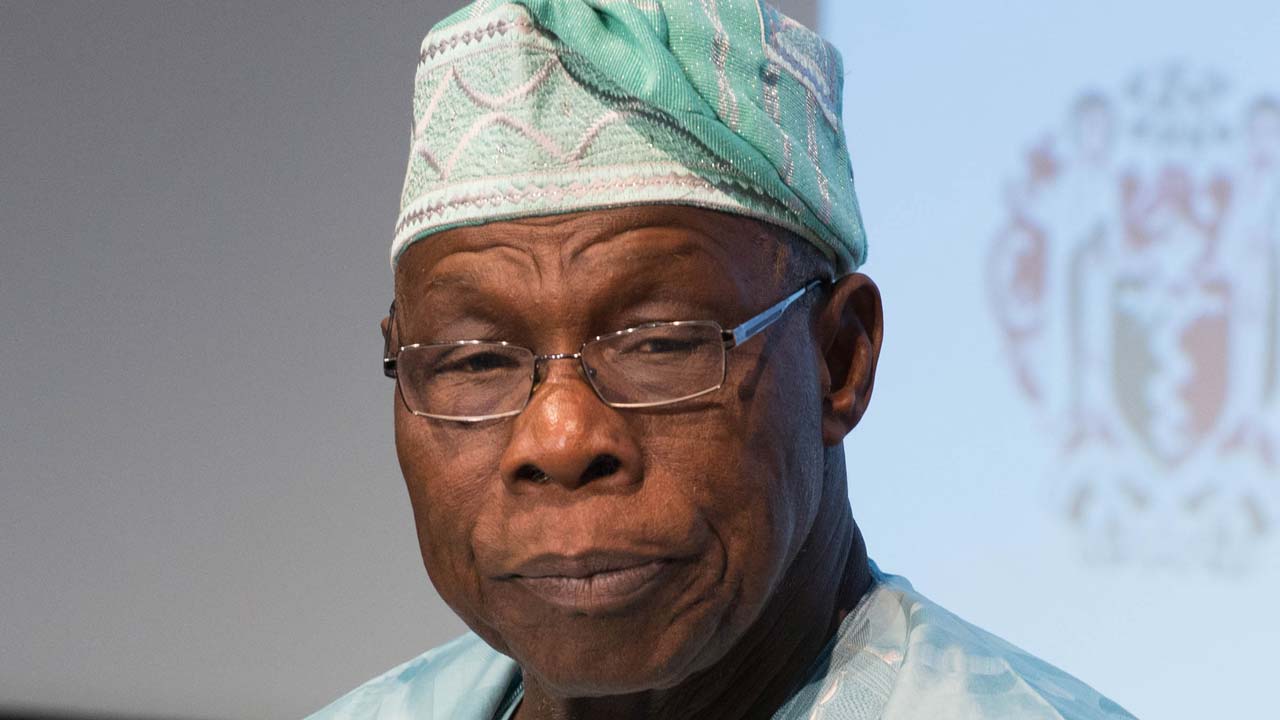
Former President Olusegun Obasanjo has revealed that he still does not know his exact age, though he estimates that he is now over 90 years old based on the ages of his surviving classmates.
Obasanjo made the disclosure on Sunday during the Toyin Falola Interviews series titled “A Conversation with His Excellency, Chief Olusegun Obasanjo.” The programme was anchored by Professor Toyin Falola alongside the Bishop of the Sokoto Diocese, Dr. Matthew Kukah, and former presidential candidate, Professor Kingsley Moghalu.
The former president said the absence of proper birth records at the time of his birth has made it impossible for him to determine his exact age. However, he explained that he relies on the ages of his primary and secondary school classmates to make an informed estimate.
According to him, six of his secondary school classmates are still alive and none of them is younger than 90 years old. “That suggests I am in that age bracket or possibly older,” Obasanjo said.
He mentioned the Olubara of Ibara, Oba Jacob Olufemi Omolade, as one of his surviving classmates who could provide further insight into his approximate age. He invited the public to draw their own conclusions based on this information.
During the interview, Obasanjo also spoke extensively on the importance of record-keeping and institutional memory, describing these as critical to nation-building. He said this belief informed his decision to establish a presidential library.
According to him, the library was created to preserve the past, document the present and inspire future generations. It houses vast historical materials, including his primary and secondary school record cards, manuscripts of books he wrote while in prison, and even crops of maize he planted during his incarceration.
Also preserved in the facility are letters he wrote to former Head of State, General Sani Abacha, following the death of his son in 1998, as well as letters to his wife during his imprisonment.
Obasanjo disclosed that over three million materials in the library have already been digitised, with about three million more awaiting digitisation. He said once the process is completed, the materials will be accessible to researchers, students and members of the public.
The former president lamented Nigeria’s poor culture of record-keeping and institutional memory, describing it as a major national shortcoming. He expressed hope that the presidential library would help address this gap by serving as a model for the preservation of vital historical documents.
Obasanjo’s admission about his uncertain age is not new, as he has made similar remarks in the past. The development underscores the challenge of inadequate birth documentation for many Nigerians born during the colonial era and the early years of independence.