


Buhari Suspected Aso Villa Office Bugged, Daughter Reveals in New Biography
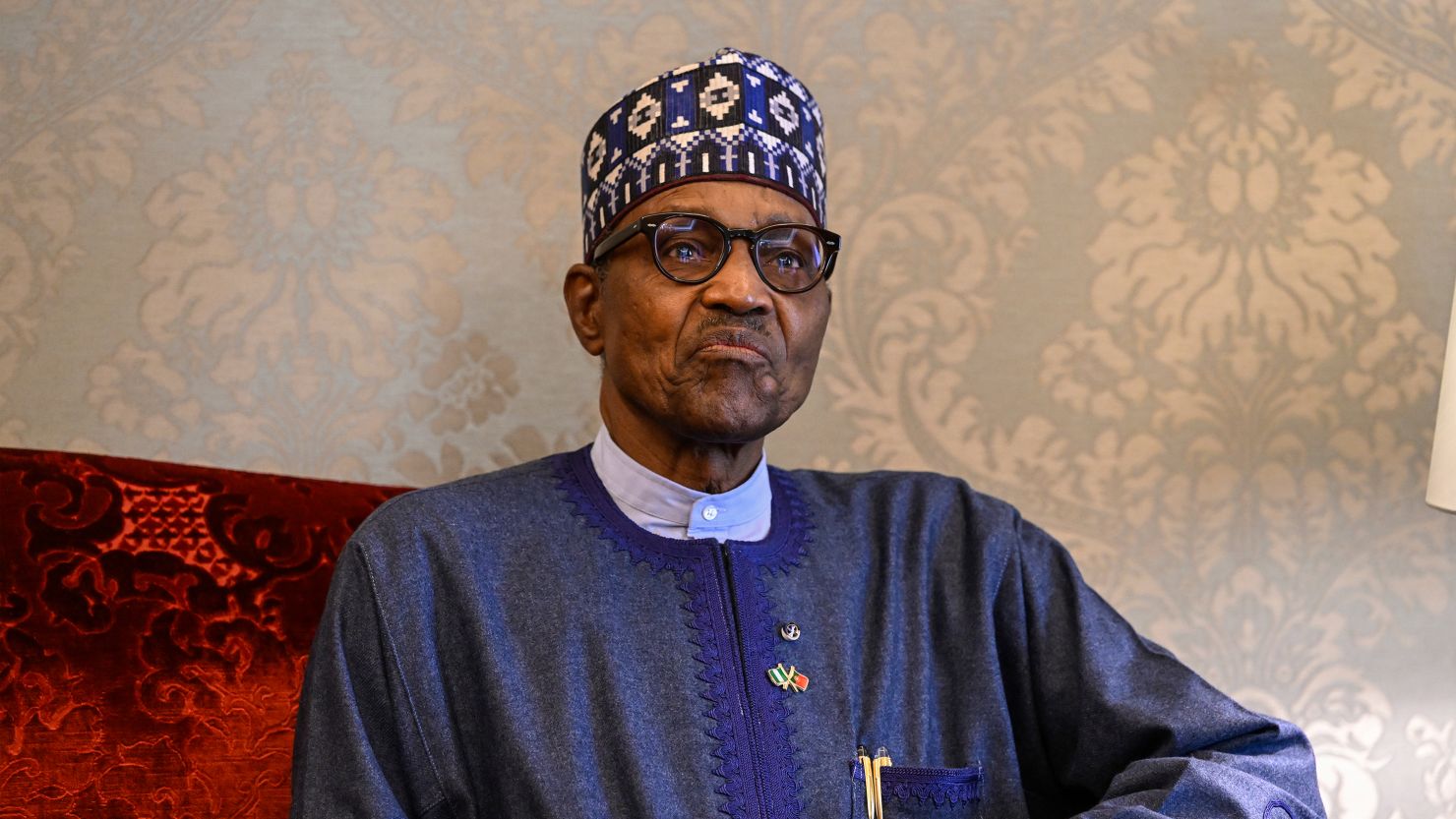
Fatima Buhari, daughter of the late former President Muhammadu Buhari, has disclosed that her father once believed his office and bedroom in the Presidential Villa were under secret surveillance. This led them to communicate through written notes during private meetings, an anecdote described in a new biography that sheds light on the hidden pressures of Nigeria’s highest office.
The revelation appears in the newly launched book, From Soldier to Statesman: The Legacy of Muhammadu Buhari, authored by Dr Charles Omole and unveiled on 15 December 2025 in Abuja. Fatima recounted specific instances where her father would signal caution, such as subtly touching his cheek to mimic a toothache before gesturing to write instead of speak. “We wrote notes to each other, like spies in a film,” she shared in the 600-page biography, which covers Buhari’s life until his death on 13 July 2025.
Buhari, who served as president from 2015 to 2023, reportedly held a persistent suspicion that listening devices had been planted in his private quarters. Security sweeps of the offices occasionally uncovered unusual objects, deepening the climate of mistrust. Fatima described the atmosphere within the Villa as deeply unsettling and at times “diabolical,” invoking African beliefs in supernatural elements while also attributing the underlying issues to powerful political figures often referred to as “the cabal.”
Despite his constitutional authority as Commander-in-Chief, the biography portrays Buhari as often resigned to these circumstances. He preferred quiet corrections over direct confrontations, a stance influenced by his age, his Muslim faith, and a stated reluctance to destroy the reputations of others. Fatima also revealed that she lived in constant fear for his safety, believing attempts were made on his life that were only thwarted by what she saw as divine protection. To maintain public appearances, Buhari would sometimes stage public reprimands of his daughter, only to offer private reassurance afterward.
The book, formally launched by President Bola Tinubu, includes contributions from various family members and former aides. It aims to paint a portrait of a leader fundamentally shaped by military discipline and personal integrity, yet navigating a labyrinth of internal challenges. Similar accounts from his widow, Aisha Buhari, detail how a culture of gossip and mistrust within the Villa contributed to periods of poor health.
These intimate disclosures highlight the profound personal toll of power in Nigeria’s complex political landscape, where paranoia and intrigue can overshadow the formal mechanisms of governance. As the nation continues to reflect on Buhari’s legacy defined by his anti-corruption rhetoric and prolonged security challenges, such stories underscore the human vulnerabilities behind the political fortitude.