
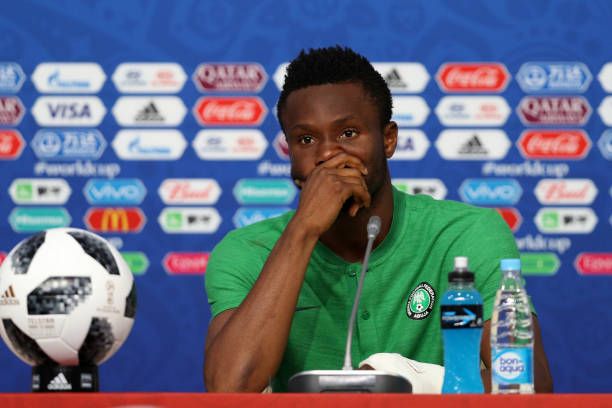
 Former Super Eagles captain John Obi Mikel has revealed how he bypassed football authorities and reached out to the highest levels of government to ensure Nigerian players were paid their bonuses during the 2018 FIFA World Cup in Russia, after months of unfulfilled promises by the Nigeria Football Federation (NFF).
Speaking on a recent episode of The Obi One Podcast, released on Tuesday, the former Chelsea midfielder recounted how persistent delays in payment left players anxious and uncertain, forcing him to take extraordinary steps to protect the team’s interests.
According to Mikel, the Super Eagles were owed bonuses earned from qualifying for the World Cup, funds that should have been settled long before the team arrived in camp.
“Talking about fighting for players’ bonuses, I went above the president of the NFF to get those bonuses,” Mikel said. “I did that a couple of times during the World Cup.”
He explained that FIFA typically releases “parachute money” ahead of major tournaments. Parachute money refers to funds intended to support teams’ preparations and cover player-related expenses. In many cases, federations borrow money to pay bonuses early and later repay lenders once FIFA disbursements arrive.
But in Nigeria’s case, Mikel said the process broke down.
“Leading up to the World Cup, we were owed money,” he said. “We had been asking for this money for months before the tournament. They kept telling me, ‘Don’t worry, Mikel, the money will be sorted when you come to camp.’”
As captain, Mikel found himself acting as a bridge between frustrated players and football administrators. Even after the team assembled, he said assurances continued without results.
“We got to camp, and I spoke to the team secretary and the president. I asked, ‘Where is the money?’ Again, they said, ‘Don’t worry, we’ll sort it out.’”
Days passed, and tension grew within the squad.
“A week went by. The players kept coming to me saying, ‘Mikel, we need this money. Once the World Cup is over, we don’t know if we’ll ever get it.’”
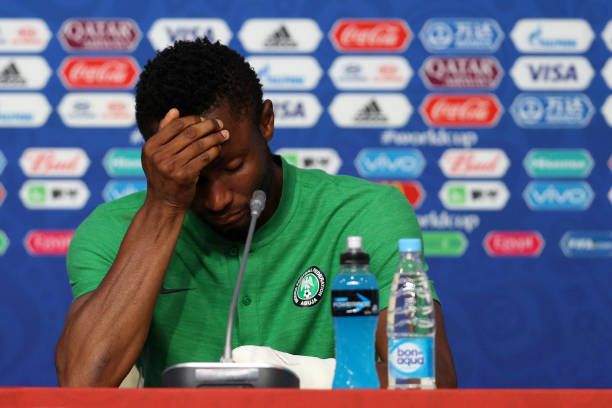
With no concrete resolution in sight, Mikel said he escalated the matter beyond football authorities. He contacted the late Abba Kyari, then Chief of Staff to President Muhammadu Buhari, to intervene.
“I called him and said, ‘Mr Chief of Staff, we have a serious issue in the national team. We need this money to settle the players. This is what was promised,’” Mikel recalled.
The response, he said, was swift.
“Twenty-four hours later, a private plane arrived. The money was delivered to the hotel, hand to hand. Millions of dollars.”
Mikel said he personally ensured the funds went directly to the right place.
“I took the money and handed it to the team secretary and told him to hold it. I said, ‘Make sure this money does not go to the president or anyone else. This money belongs to the players.’”
By the following day, the bonuses were calculated and distributed to all players involved in the World Cup qualifiers.
However, his actions reportedly angered senior football officials. Mikel said the then NFF president summoned him to a meeting.
“They said, ‘Mikel, why did you do this? You’ve made us look like idiots,’” he recalled.
His response was blunt.
“I said, ‘Are you serious? I’ve been asking you for this money for months.’”
For Mikel, the issue went beyond authority or protocol, it was about responsibility.
“When you fail, I have to take responsibility because my players need the f**king money,” he said. “This money is owed. It is not a favour.”
He stressed that the funds were not special incentives, but legitimate earnings from qualification.
Nigeria exited the 2018 World Cup at the group stage after losses to Croatia and Argentina, despite a memorable victory over Iceland. The Super Eagles earned an estimated $16 million in prize money for their participation, and the tournament remains Nigeria’s most recent World Cup appearance.
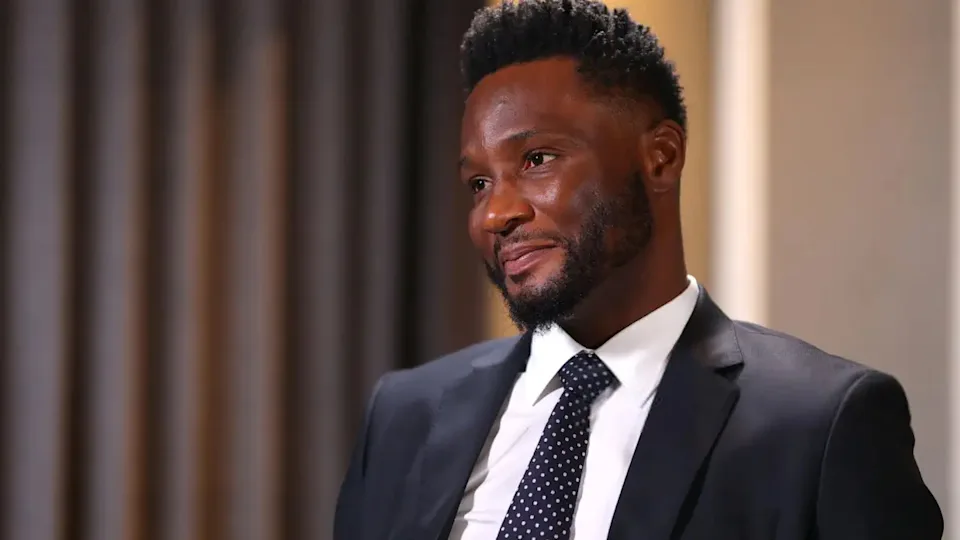
- Mikel retired from international football a year later, ending a distinguished career that included 91 caps, Africa Cup of Nations glory in 2013, and an Olympic bronze medal at Rio 2016. Yet, years on, his account offers a rare glimpse into the leadership burden behind the scenes and the lengths one captain went to ensure his teammates were not short
changed.