FG Unveils Executive Order Banning Export of Wood and Charcoal
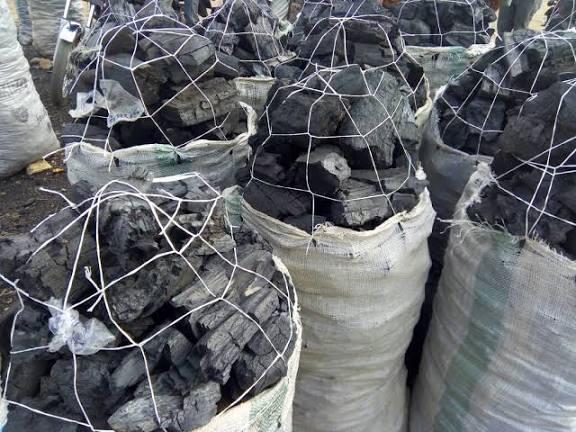
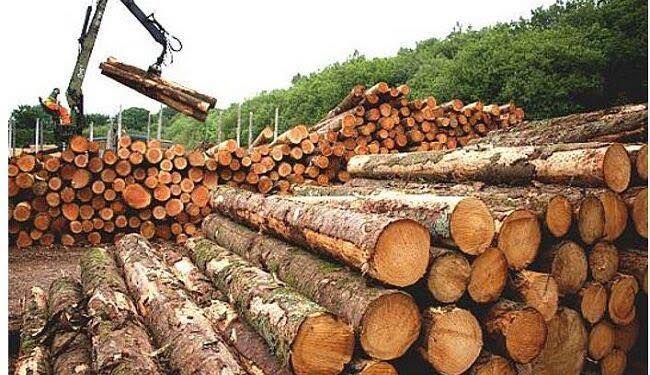 The Federal Government has unveiled a new Presidential Executive Order prohibiting the exportation of wood, charcoal, and other allied forest products from Nigeria.
The Minister of Environment, Alhaji Balarabe Abbas-Lawal, announced the order on Wednesday in Katsina during the 18th meeting of the National Council on Environment (NCE). He said the directive, titled “Presidential Executive Order on Prohibition of Exportation of Wood and Allied Products, 2025,” was signed by President Bola Ahmed Tinubu.
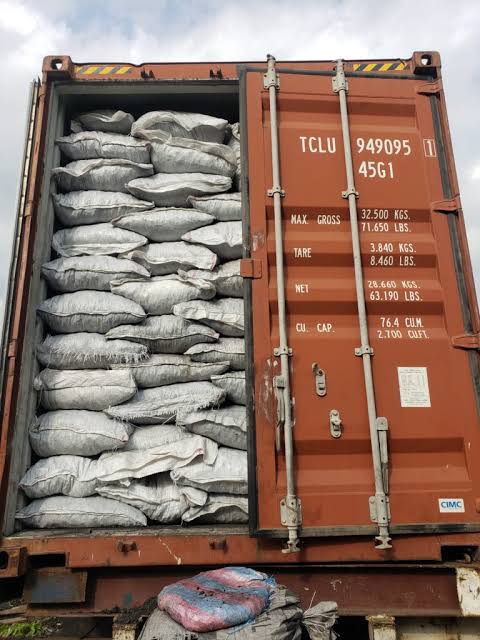
The minister stated that the order imposes a complete ban on the export of wood, charcoal, and related products nationwide. This action is part of the Federal Government’s initiative to combat deforestation, illegal logging, and environmental degradation. Abbas-Lawal explained that although the executive order was initially scheduled to be unveiled in Abuja, the ministry took advantage of the NCE meeting in Katsina to formally launch it. The council meeting was held under the theme: “Tackling the triple planetary crises: climate change, biodiversity loss and pollution for sustainable development in Nigeria.”
He clarified that forest resources in Nigeria fall under the jurisdiction of state governments, which are responsible for their management and control, while the Federal Government oversees national parks.
Quoting the provisions of the executive order, the minister said forest resources include “all trees, vegetation, and associated biodiversity found within forested areas of Nigeria.” He added that illegal logging refers to the unauthorised harvesting, transportation, processing, purchase, or sale of timber and other forest products in violation of Nigerian laws.
In his remarks, Katsina State Governor Dikko Radda, represented by his deputy, Faruk Lawal-Jobe, pledged the state’s commitment to enforcing the executive order. He thanked the Ministry of Environment for choosing Katsina as host of the council meeting.
Radda noted that the NCE meeting provided a platform for national dialogue on environmental issues, highlighting the sector’s importance to democratic governance, sustainable development, and national growth.