
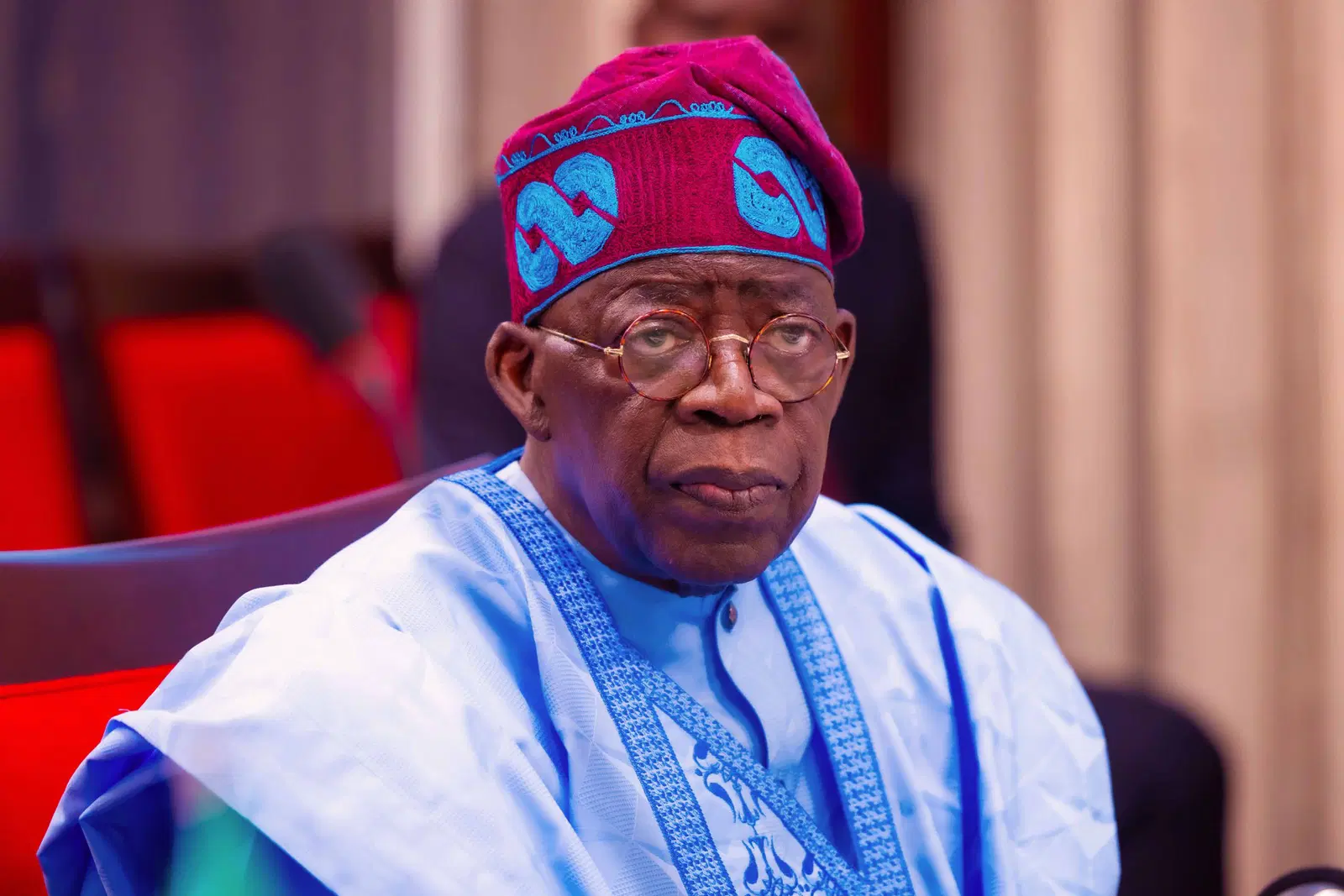
A coalition of northern youths under the banner of the Arewa Youth Assembly (AYA) has rejected the recently enacted tax reform laws signed by President Bola Tinubu, alleging that the version gazetted and released to the public differs materially from what was debated and passed by the National Assembly.
The group described the development as “governance by ambush”, warning that failure to address the controversy could carry serious political and constitutional consequences.
In a statement issued on Sunday in Kaduna, the Speaker of the Assembly, Mohammed Salihu-Danlami, said the group’s rejection was based on what he called troubling discrepancies between the laws approved by lawmakers and the versions Nigerians are now being asked to obey.
“If the law presented to the public is not the same law debated and passed by elected representatives, then democracy itself is being subverted,” Danlami said. “Legislation is not a private document; it is the collective will of the people.”
The tax reform laws, which are scheduled to take effect on January 1, 2026, were recently signed by President Tinubu and have been described by the Federal Government as the most comprehensive overhaul of Nigeria’s tax system in decades.
According to the Presidency, the reforms are designed to simplify tax compliance, expand the tax base, eliminate overlapping levies, and modernise revenue collection across federal, state, and local governments.
However, the bills faced significant resistance during deliberations at the National Assembly, particularly from some lawmakers representing northern constituencies, who raised concerns about equity, timing, and economic impact.
The controversy escalated following claims by a member of the House of Representatives, Abdussamad Dasuki, who alleged that certain provisions appearing in the gazetted laws were never debated or approved by lawmakers.
Reacting to the allegations, the Presidency dismissed claims of secret alterations, insisting that the laws were properly enacted and that no amount of opposition would derail their implementation.
The reforms have also attracted criticism from prominent political figures. Former Vice President Atiku Abubakar and the 2023 Labour Party presidential candidate, Peter Obi, have both called for a suspension of implementation pending clarification of the alleged discrepancies.
Danlami said the matter went beyond technical errors, warning that it raised fundamental constitutional questions about the separation of powers and legislative integrity.
“Reports confirm that the National Assembly approved a framework after deliberation and amendment,” he said. “The gazetted version allegedly contains provisions never sanctioned by the legislature. This is not a clerical error; it is a constitutional crisis.”
The AYA said it opposed any tax regime imposed without transparency or consensus, especially at a time when Nigerians are grappling with inflation, insecurity, and worsening economic conditions.
“Northern Nigeria already struggles with poverty, unemployment, and systemic neglect,” Danlami added. “Any tax policy that deepens this distress without legitimacy amounts to economic hostility.”
The group called on civil society organisations, labour unions, the legal community, and what it described as principled legislators to intervene and defend constitutional governance and legislative accountability.
Danlami warned that how the Federal Government handles the controversy could shape future political outcomes, noting that administrations perceived to undermine transparency risk public backlash.
“Governments that treat transparency as optional invite resistance and eventual rejection at the ballot box,” he said.
He also directed the Assembly’s zonal, state, local government, and ward structures to remain on standby for further directives, signalling the possibility of coordinated action in the coming days.
The development adds a new layer of tension to the ongoing debate around the Tinubu administration’s economic reforms, as questions over process now join concerns about policy impact and public trust.