

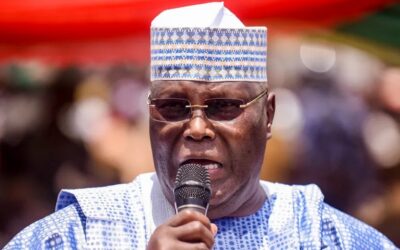
Nicki Minaj Breaks Silence on Nigeria and Religious Freedom
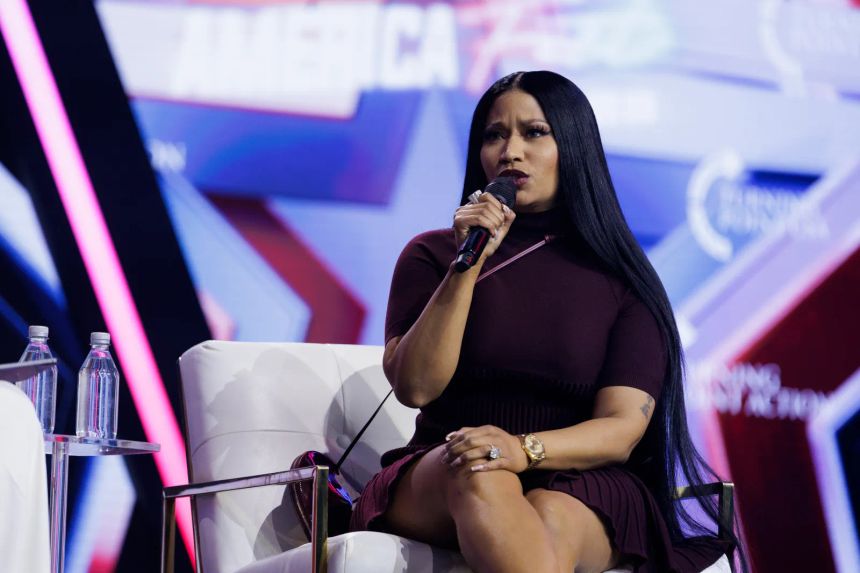
For Nicki Minaj, the decision to speak publicly about the plight of Christians in Nigeria was not driven by headlines or political calculation—it was personal.
The global rap icon offered that explanation during a surprise appearance at AmericaFest on Sunday, where she addressed questions about her recent comments on alleged persecution of Christians in Nigeria. Responding to a prompt from Erika Kirk, widow of conservative activist Charlie Kirk, Minaj spoke with a mix of emotion, familiarity, and resolve.
“Nigeria is a place I’ve always loved,” she told the audience. “Someone very dear to me—my pastor—is Nigerian, and I have lots of Nigerian Barbs.”
Those personal ties, she said, made reports of violence against worshippers impossible to ignore.
“So hearing that people are being kidnapped while they’re in church, people being killed, brutalised—all because of their religion—that should spark outrage,” Minaj said.
Her remarks were met with applause, as she framed her intervention as part of a broader refusal to remain silent in the face of religious violence.
“We’re not backing down anymore,” she added. “We’re not going to be silenced by the bullies anymore. We will speak up for Christians wherever they are in this world.”
Minaj’s comments marked the latest chapter in her increasingly vocal engagement with issues of faith and religious freedom. During the AmericaFest appearance, she widened the lens beyond Nigeria, stressing that the freedom to worship—often assumed in parts of the world—is far from universal.
“We take for granted that there are people right now who cannot worship God as they please, where they please,” she said.
“Every time we pray in fellowship, we have to remember the people who are hiding to pray—and we have to pray for them.”
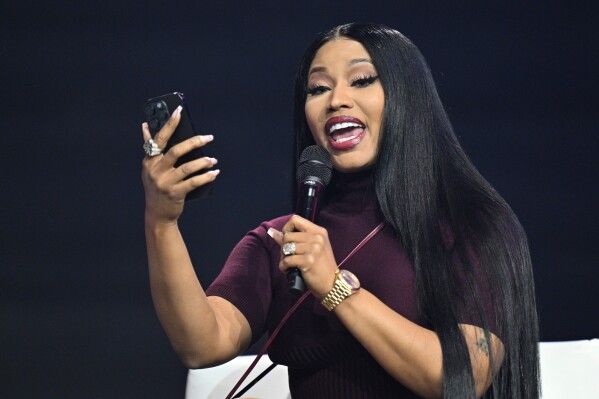
The Trinidadian-born rapper has previously drawn attention to Nigeria in similar terms. In November, she shared a screenshot of a post by U.S. President Donald Trump on his Truth Social platform, in which he wrote that “Christianity is facing an existential threat in Nigeria.”
Reacting to the post, Minaj expressed gratitude for the freedom of worship in the United States, while condemning religious persecution in any form.
“No group should ever be persecuted for practising their religion,” she wrote at the time.
Her advocacy made international headlines last month when she raised similar concerns during a collaboration with U.S. Ambassador to the United Nations, Mike Waltz, further amplifying global attention on the issue.
At AmericaFest, Minaj also praised President Trump and Vice President JD Vance, describing them as leaders who, in her view, understand the anxieties of ordinary Americans—particularly around faith and cultural identity.
Yet she was careful to note that religious freedom is not without challenges even in the United States.
“Christians have been persecuted right here in our country in different ways,” she said. “Leadership matters. When we talk about Nigeria and other countries, people need to understand that some prior administrations saw nothing wrong with that—and that was the problem.”
Minaj’s comments arrive amid a highly polarised global conversation about religion, security, and identity—one in which Nigeria is frequently cited. While advocacy groups and foreign political figures have raised alarms about targeted attacks on Christians, the Federal Government of Nigeria has consistently rejected claims of a coordinated or systematic genocide.
According to the government, such narratives are false and misleading, arguing that insecurity in Nigeria is complex and affects citizens across religious and ethnic lines. Officials maintain that violence in the country is driven by a mix of criminality, insurgency, and socio-economic pressures, rather than a state-backed campaign against any particular faith.
Still, Minaj’s intervention underscores how Nigeria’s internal challenges continue to resonate far beyond its borders—finding echoes in pop culture, politics, and faith-based advocacy worldwide.
For the rapper, however, the issue remains grounded in something simpler than geopolitics.
“It’s about people,” her remarks suggested. “And the right to worship without fear.”
In lending her voice, Nicki Minaj has once again demonstrated that celebrity influence—when fused with personal conviction—can turn distant crises into global conversations.