


- Architecture
- Breaking News
- Business
- Economy
- International
- International Affairs
- Latest
- News
- Stories Around the Globe
- Top News
World’s Largest Nuclear Plant Moves Closer to Restart After Japan’s Assembly Vote.
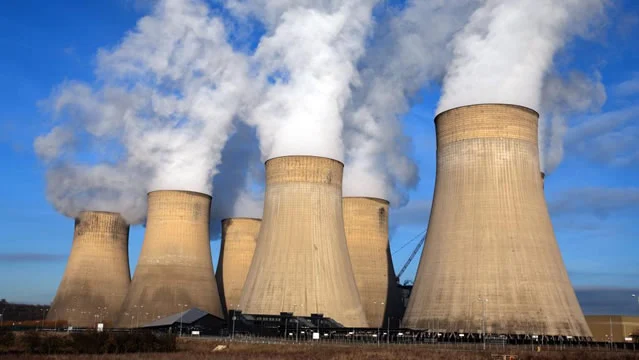
A regional assembly in Japan on Monday backed the restart of the world’s largest nuclear power station—a landmark decision that brings the Kashiwazaki-Kariwa facility a step closer to generating electricity for the first time since the 2011 Fukushima disaster.
The Niigata prefectural assembly approved a supplementary resolution endorsing Governor Hideyo Hanazumi’s earlier decision to support the restart of the plant, which is owned and operated by Tokyo Electric Power Company (TEPCO). The resolution was attached to a regional extra budget bill and passed by a majority vote, with most of the 53-member assembly standing in support.
“The measure is approved by a majority vote,” declared the assembly speaker, clearing a significant political hurdle in a nation that has remained deeply cautious about nuclear power since the Fukushima meltdowns.
A Shift in Japan’s Energy Policy
The move signals Japan’s accelerating return to nuclear energy as it seeks to reduce its heavy reliance on imported fossil fuels, achieve carbon neutrality by 2050, and meet rising electricity demand driven in part by energy-intensive technologies such as artificial intelligence. Before the 2011 disaster, nuclear power supplied about one-third of Japan’s electricity. Today, fossil fuels—coal, oil, and gas—account for nearly 70% of the nation’s energy mix.
Japan is the world’s fifth-largest emitter of carbon dioxide, trailing only China, the United States, India, and Russia. Prime Minister Sanae Takaichi has publicly advocated for nuclear power’s role in the country’s energy transition, aiming to cut fossil fuel dependence to 30–40% within 15 years.
Next Steps Toward Reactivation
With local political approval now secured, TEPCO is expected to formally request final operational clearance from Japan’s Nuclear Regulation Authority before the end of the year. Media reports indicate the utility plans to restart one of the plant’s seven reactors as early as January 20, 2026.
Governor Hanazumi is scheduled to meet Industry Minister Ryosei Akazawa on Tuesday to convey the prefecture’s support, according to local broadcaster BSN.
The reactor in question has already met the country’s updated safety standards, which were significantly tightened after Fukushima. TEPCO had been awaiting local consent—a critical step in Japan’s restart protocol—before proceeding.
Background and Broader Restart Efforts
The Kashiwazaki-Kariwa plant, located on the coast of the Sea of Japan in Niigata prefecture, has been offline since the 2011 disaster, when a massive earthquake and tsunami triggered meltdowns at three reactors in Fukushima, claiming around 18,000 lives and causing widespread radioactive contamination.
In the aftermath, Japan idled all its nuclear reactors, but 14 units across the country have since resumed operations under the stricter regulatory regime, predominantly in western and southern regions.
The potential restart of Kashiwazaki-Kariwa—the largest nuclear power station in the world by capacity—represents not only a major operational milestone for TEPCO but also a symbolic moment in Japan’s fraught relationship with atomic energy. It underscores the government’s commitment to maintaining nuclear power as a key component of its long-term energy security and decarbonization strategy, even as public opinion remains divided.