

Oyedele Warns of Widespread Harm if New Tax Laws Are Delayed.
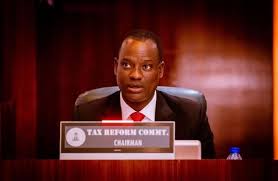
The Chairman of the Presidential Fiscal Policy and Tax Reforms Committee, Taiwo Oyedele, has issued a stark warning, outlining the negative consequences for workers and businesses if Nigeria’s newly signed tax laws are not implemented by the January 1, 2026 deadline.
President Bola Tinubu recently enacted four major tax reform bills, hailed by the government as the most significant overhaul of the nation’s tax system in decades.
However, their implementation faces calls for suspension from prominent figures including former Vice President Atiku Abubakar, Labour Party’s 2023 presidential candidate Peter Obi, and various civil society organizations.
Speaking on Channels Television’s The Morning Brief, Oyedele argued that suspending the laws would perpetuate existing problems. He detailed the implications of delay:
· Continued Burden on Workers: “The bottom 98 per cent of workers remain overtaxed.”
· Multiple Taxations for Businesses: Businesses would miss out on new exemptions and continue facing multiple tax burdens.
· Stifling Small Businesses: Unprofitable small businesses would still be subject to minimum taxes.
· Higher Living Costs: “Hidden VAT” would keep driving up prices of essential goods like food, healthcare, and education.

Oyedele urged critics to focus on amending specific concerns rather than seeking outright cancellation. “My view will be to identify those provisions… and go ahead to implement the law as passed by the NASS, while you address the issues,” he stated.
His comments come amid controversy over discrepancies between the versions of the laws passed by the National Assembly and those officially gazetted. A member of the House of Representatives, Abdulsamad Dasuki, has alleged that the gazetted texts do not reflect what was debated and approved, breaching legislative due process.
Oyedele addressed one such disputed provision—a clause mandating a 20% deposit on tax disputes—noting it was in a draft but not the final gazette. He revealed that the House committee investigating the matter has yet to conclude its work, urging patience. “What is out there in the media did not come from the committee… I think we should allow them to do the investigation.”
The four laws—the Nigeria Tax Act, the Nigeria Tax Administration Act, the Nigeria Revenue Service (Establishment) Act, and the Joint Revenue Board (Establishment) Act—are designed to create a unified system under a single Nigeria Revenue Service. Despite facing initial opposition, they are set to take effect on January 1, 2026.