


Silent Sight Thief: Early Glaucoma Signs Young Adults Often Overlook
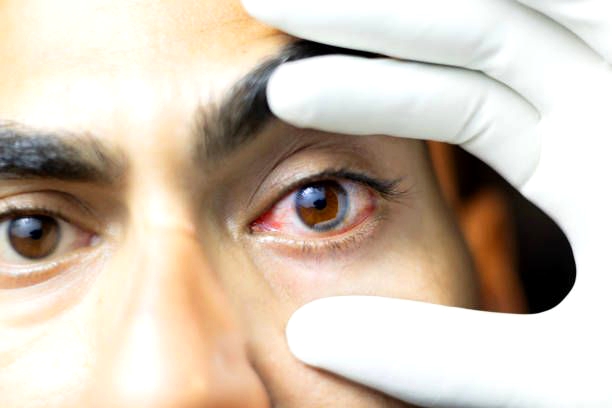
Glaucoma is widely considered an eye disease of old age, something to worry about later in life. But eye specialists are increasingly sounding the alarm: glaucoma is quietly showing up in people in their 20s and 30s, often long before symptoms become obvious.
What makes glaucoma especially dangerous is its silence. In its early stages, it causes no pain, no redness, and no dramatic vision loss. Many young adults feel perfectly fine and assume their eyes are healthy, unaware that irreversible damage may already be underway.
Advances in eye screening technology have allowed doctors to detect glaucoma earlier than ever before. These discoveries are revealing a crucial truth: the disease often begins years before it is noticed.
Read Also: Are Bananas Good for Weight Loss or Weight Gain? What You Should Know
Why Early Glaucoma Goes Unnoticed In Young People
In younger patients, glaucoma rarely announces itself. Eye specialists often detect the condition through subtle structural changes in the optic nerve, not through vision complaints. At this stage, eyesight appears sharp and daily activities remain unaffected.
Because there is no pain or obvious loss of vision, many people dismiss the diagnosis or delay follow-up care. Yet this early phase is the most critical period for protecting long-term sight. When monitored properly, progression can often be slowed or stopped before permanent damage occurs.
Everyday Eye Complaints That Deserve Attention
One of the earliest warning signs some patients report is intermittent blurred vision that comes and goes without explanation. Others notice increased glare at night, difficulty adjusting between bright and dim environments, or mild eye discomfort after long hours on digital screens.
Occasional eye strain is common in a screen-heavy world, but recurring symptoms should not be ignored. Mild headaches around the eyebrows, eye pressure, or visual discomfort may signal more than fatigue and deserve a comprehensive eye evaluation.
Read Also: The Quiet Power of Everyday Foods: Why What You Eat Daily Matters More Than You Think
Peripheral Vision Loss Happens Without Notice
Glaucoma damages side vision first, leaving central vision intact for years. Because of this, many young adults do not realise anything is wrong until the disease is advanced.
Subtle changes may appear as clumsiness—missing steps, bumping into objects, difficulty navigating crowds, or discomfort driving at night. These signs are often overlooked or blamed on stress or tiredness, but they can indicate early peripheral vision loss.
Only specialised visual field tests can detect these changes, highlighting the importance of full eye examinations, not just vision checks for glasses or contact lenses.
Risk Factors Young Adults Should Know
A family history of glaucoma significantly raises the risk, even at a young age. Other contributing factors include diabetes, unstable blood pressure, prolonged or unsupervised steroid use, and certain lifestyle-related conditions that now appear earlier in life.
As these risk factors become more common among younger populations, eye doctors are increasingly recommending earlier screening for those at risk.
Early Screening Can Save Vision
Modern eye care tools—such as high-resolution optic nerve imaging, digital eye pressure testing, and advanced data tracking—allow doctors to detect glaucoma before vision is permanently affected.
L
While routine glaucoma screening is typically recommended after age 40, young adults should consider earlier testing if they have persistent eye symptoms, known risk factors, or a family history of the disease.
Early screening does not always lead to treatment, but it empowers individuals with knowledge and ongoing monitoring—often the difference between preserved sight and irreversible loss.
The Takeaway
Glaucoma does not come with warning bells. It does not cause pain or sudden blindness in its early stages. Instead, it progresses quietly, stealing vision bit by bit.
For young adults, awareness is the first line of defence. Paying attention to subtle changes, prioritising comprehensive eye exams, and embracing early screening can help protect eyesight for decades to come. The choices made today can determine the quality of vision tomorrow.