
United States Set To Officially Exit World Health Organization
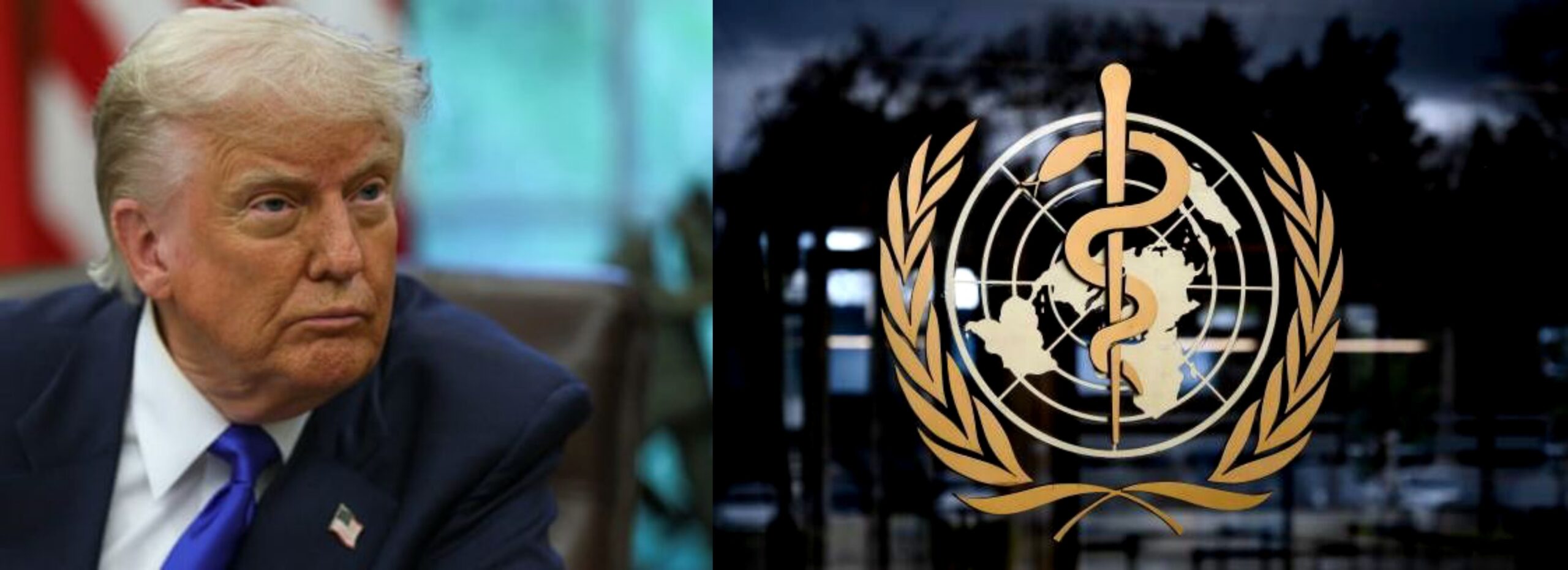
The United States is set to officially withdraw from the World Health Organization (WHO) on Thursday, triggering warnings from global health experts that the move could undermine both U.S. and international public health systems.
The exit follows an executive order issued by President Donald Trump on the first day of his presidency in 2025, formally notifying the United Nations health agency of Washington’s intention to leave. Under U.S. law, withdrawal from the WHO requires a one-year notice period and the settlement of all outstanding financial obligations—estimated at about $260 million.
Despite these requirements, a spokesperson for the U.S. State Department said on Thursday that the administration had decided to halt all future funding, support and resources to the WHO, accusing the organisation of failing to adequately contain, manage and share information during past global health crises.
“The American people have paid more than enough to this organisation, and the economic impact suffered by the United States far exceeds any financial obligation owed,” the spokesperson said in an emailed statement.
However, legal and public health experts argue that the withdrawal violates U.S. law, which mandates full payment of arrears before departure. Lawrence Gostin, a global health law expert at Georgetown University, described the move as unlawful but said the administration was unlikely to face consequences.
Calls for a reconsideration have continued from international health leaders. WHO Director-General Dr Tedros Adhanom Ghebreyesus recently urged the U.S. to rethink its decision, warning that the withdrawal represents a significant loss not only for the organisation but for global health security.
“This is a loss for the United States, and a loss for the rest of the world,” Tedros said at a recent press conference.
The WHO confirmed that the U.S. has yet to pay its assessed contributions for 2024 and 2025. Member states are expected to deliberate on the implications of the U.S. exit during the organisation’s executive board meeting scheduled for February.
Speaking on the sidelines of the World Economic Forum in Davos, philanthropist Bill Gates said he did not expect the U.S. to rejoin the WHO in the near future, stressing that the global health system depends heavily on the agency’s coordination role.
For the WHO, the departure of its largest donor—historically responsible for about 18 per cent of its funding—has already triggered a budgetary crisis. The organisation has cut its senior management team by half, scaled back programmes, and is expected to reduce its workforce by nearly a quarter by mid-year.
Public health experts warn that the U.S. exit could weaken global disease surveillance, emergency response mechanisms and international collaboration, increasing the risk of delayed responses to future pandemics.
“The U.S. withdrawal could severely weaken the systems the world relies on to detect, prevent and respond to health threats,” said a senior public health official with a global philanthropy organisation.