

N58.47 Trillion 2026 Budget Scales Second Reading In House Of Representatives
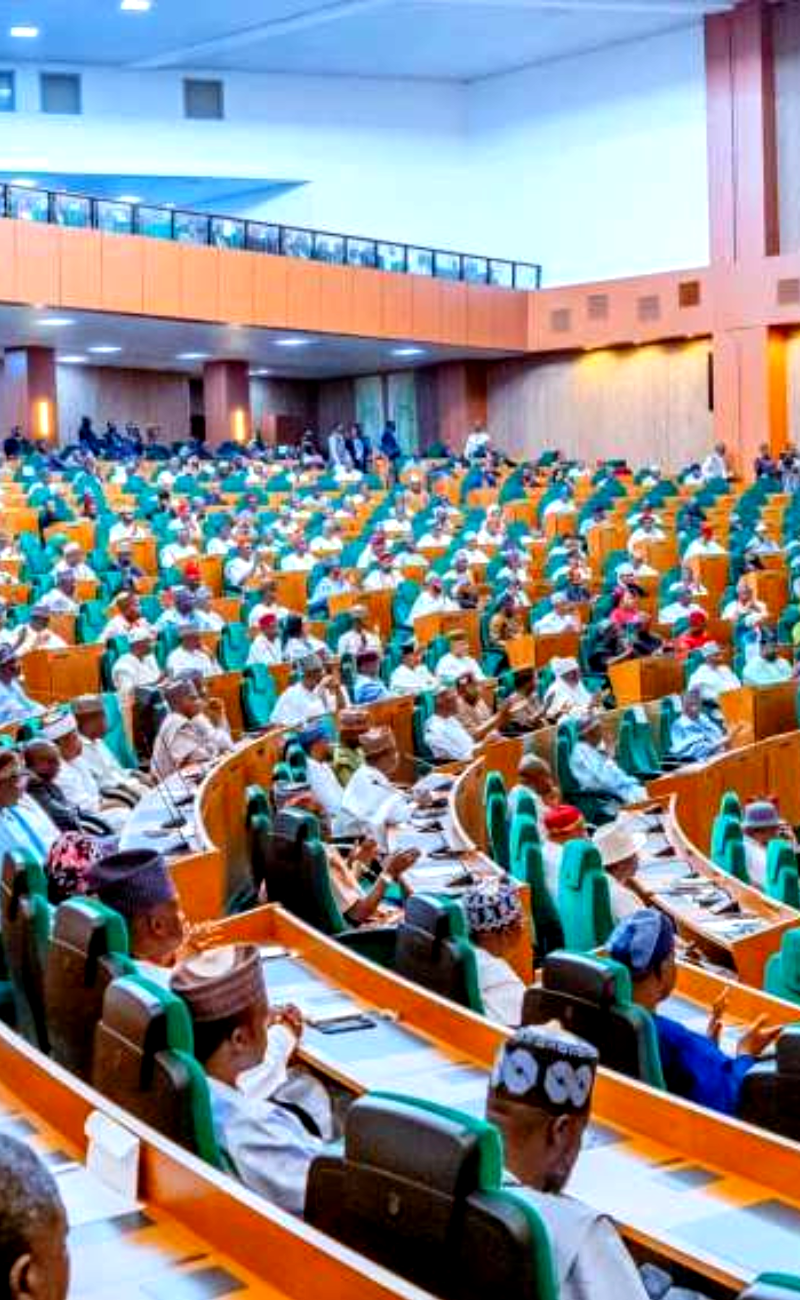
The House of Representatives on Thursday passed the N58.47 trillion 2026 Appropriation Bill for second reading, as lawmakers rallied behind President Bola Tinubu’s fiscal proposal aimed at stabilising the economy, strengthening national security, and accelerating capital project delivery.
Tagged “The Budget Of Consolidation, Renewed Resilience And Shared Prosperity,” the spending plan was presented to a joint sitting of the National Assembly by President Tinubu on December 19, 2025.
Leading the debate on the general principles of the bill, House Leader Prof. Julius Ihonvbere acknowledged that ongoing economic reforms may impose short-term hardship but stressed that they are designed to deliver sustainable, long-term prosperity.
“Development that is not sustainable is not development at all,” Ihonvbere said, urging lawmakers to support the budget’s passage.
He cited key macroeconomic indicators underpinning the proposal, including a projected 3.98 per cent GDP growth rate, a drop in inflation to 14.45 per cent from about 25 per cent, improved government revenue, export growth, and rising foreign direct investment inflows.
Ihonvbere also noted improved currency stability, with the naira trading at about N1,400 to the dollar, compared to over N1,800 previously. He added that Nigeria’s external reserves had climbed to a seven-year high of $47 billion, enough to cover more than 10 months of imports.
Read Also: FG Lowers Entry Barriers as Nigeria Offers 50 Oil Blocks in 2025 Licensing Round
According to him, fiscal discipline has been strengthened, stressing that the government has refrained from printing new naira to fund expenditure.
The 2026 budget projects total revenue of N34.33 trillion against total expenditure of N58.18 trillion, leaving a deficit of N23.88 trillion.
Non-debt recurrent expenditure is estimated at N15.25 trillion, while capital expenditure stands at N26.08 trillion, marking a shift from previous budgets where recurrent spending outweighed capital investment.
Key assumptions include an oil benchmark price of $64.85 per barrel and daily production of 1.84 million barrels.
Sectoral allocations prioritise security and defence (N5.41 trillion), infrastructure (N3.56 trillion), education (N3.54 trillion), and health (N2.48 trillion).
Ihonvbere urged lawmakers to maintain robust oversight, noting that legislative responsibility goes beyond approval. “We are not saying the government is perfect, but it is our duty, as representatives of 360 constituencies, to guide it to do the right things at all times,” he said.
With no opposition during deliberations, Speaker Tajudeen Abbas put the bill to a voice vote, and it was overwhelmingly approved for second reading.
The Speaker subsequently announced a two-week legislative recess, allowing members to scrutinise the proposal ahead of final consideration when the House resumes on February 17, 2026.