


DR Congo Landslides: Multiple Feared Dead
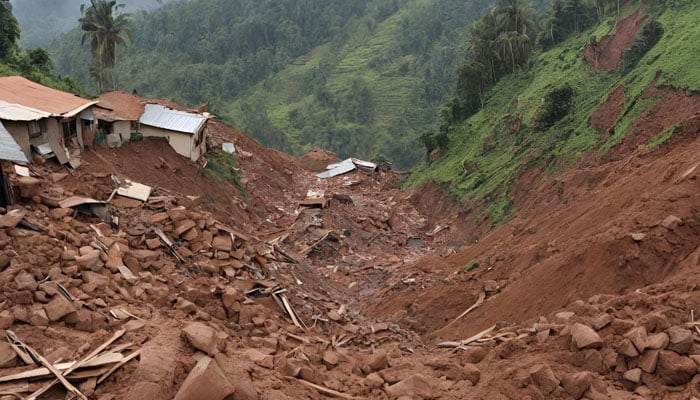
A catastrophic humanitarian disaster has unfolded in the eastern Democratic Republic of Congo this week. Government officials confirmed on Sunday that at least 200 people likely died in massive landslides. The disaster struck the Rubaya coltan mine located in the volatile North Kivu province. Initial reports indicate a hillside collapsed on Wednesday followed by a second slide on Thursday morning. Hundreds of artisanal miners were working in deep, unstable pits during the sudden earth movements. This mine remains under the control of the M23 rebel group, complicated by regional geopolitical tensions.
The Rubaya site is a global hub for coltan, a mineral essential for modern electronics. It currently produces between fifteen and thirty percent of the world’s supply of this rare resource. Despite a government ban on mining activities, thousands of laborers work daily in perilous conditions. They utilize primitive tools and lack basic safety gear to extract the valuable ore. Furthermore, the M23 militia reportedly earns nearly $800,000 monthly through illegal taxes on these operations. Consequently, the Congolese government blames this tragedy on the “organized looting” of national mineral wealth.
Establishing an accurate death toll remains difficult due to the breakdown of communication networks. Information reaches the outside world slowly via motorbike couriers navigating the difficult, muddy terrain. Furthermore, Congolese authorities and civil society groups fled the area following the rebel group’s arrival. The M23-appointed regional governor confirmed that rescuers have recovered several bodies from the deep debris. Conversely, Kinshasa has called on the international community to recognize the scale of this colonial-style exploitation. They insist that the minerals are being siphoned off exclusively to neighboring markets under armed guard.
Eastern Congo has endured thirty years of persistent violence and displacement from various armed groups. In a related development, injured survivors are receiving treatment at local centers with extremely limited resources. International humanitarian agencies struggle to provide aid in regions controlled by non-state military actors. Furthermore, the rainy season has made the steep dirt roads almost impassable for heavy rescue equipment. The Belgian embassy in Kinshasa expressed solidarity with the victims of this preventable mining tragedy. Conversely, global tech firms continue to face pressure to audit their supply chains for “conflict minerals.”
The Rubaya landslides highlight the lethal intersection of environmental instability and unregulated resource extraction. Thousands of families now mourn relatives who perished while seeking a meager living in the pits. Furthermore, the lack of state oversight ensures that safety standards remain nonexistent for artisanal laborers. The government urges a swift international intervention to end the occupation of resource-rich territories. This disaster serves as a grim reminder of the high human price of digital convenience. For now, the people of North Kivu continue to dig through the mud for their dead.