
The 8-Day President: Peter Obi Rebukes Tinubu
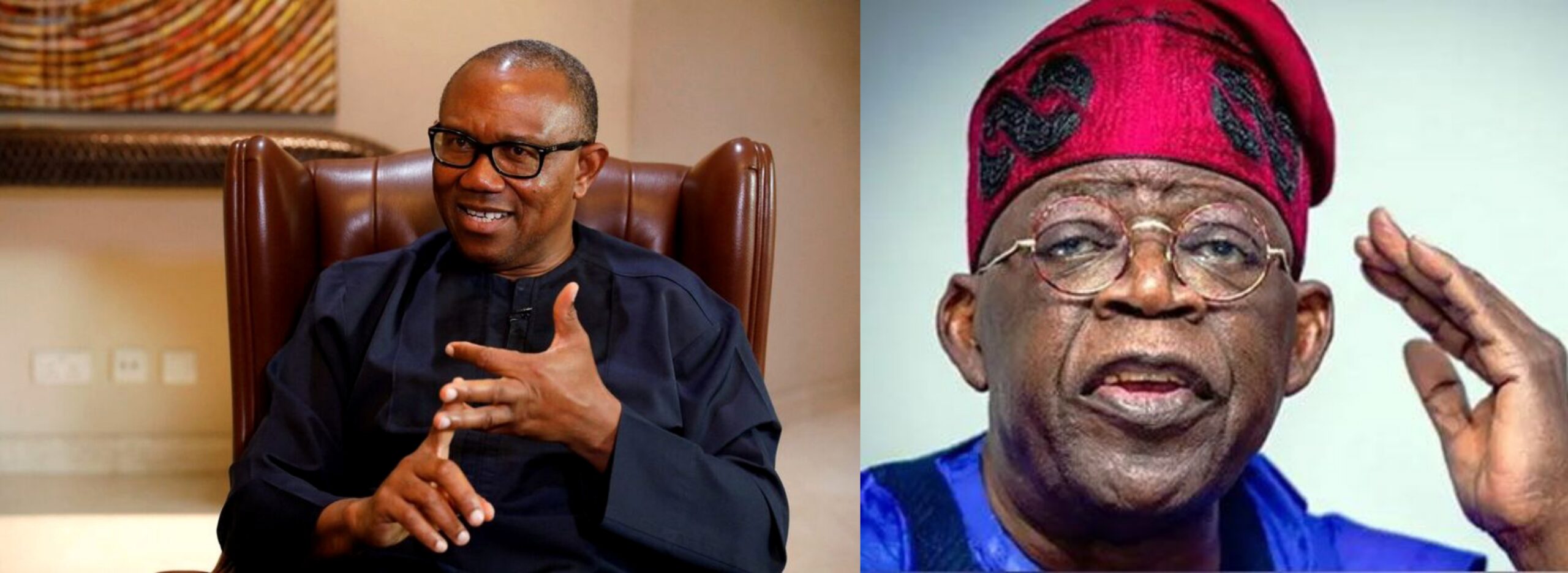
Former presidential candidate Peter Obi has issued a sharp rebuke of President Bola Tinubu’s recent international travels. He accused the President of prioritising foreign engagements over the escalating domestic challenges facing the Nigerian people. Speaking in Ibadan during the golden jubilee celebration of Oyo State, Obi described January as a “distressing month.” He highlighted the surge in nationwide insecurity, including hundreds of kidnappings and demands for millions in ransom. The former governor insisted that politicians remain the primary obstacle to Nigeria’s socio-economic development and prosperity. Furthermore, he argued that poor leadership prevents the nation from translating its vast resources into meaningful growth.
The Labour Party’s 2023 standard-bearer specifically questioned the necessity of the President’s recent 23-day absence from the country. Records show that Tinubu spent significant portions of January in France and Türkiye on official state business. Obi noted that global leaders typically focus on domestic governance during the critical start of a new year. Furthermore, he alleged that the President returns mainly to welcome political defectors into the ruling party. Active voice criticism from the opposition figure suggests that the APC prioritises 2027 election calculations over current governance. Conversely, supporters of the President defend these trips as essential diplomatic missions to secure foreign investment.
In a related development, the Bola Ahmed Tinubu Ideological Group (BAT-IG) has countered Obi’s assertions with strong defense. The group’s convener, Bamidele Atoyebi, described President Tinubu as the ideological successor to the late Chief Obafemi Awolowo. He argued that the President’s current policies reflect the democratic socialist principles championed by the sage. Furthermore, Atoyebi insisted that opposing Tinubu while admiring Awolowo constitutes a profound political and intellectual contradiction. He maintained that the President’s governance style aligns with long-standing positions on public development and social welfare. Conversely, Obi recently participated in talks with the African Democratic Congress (ADC) to broaden his political coalition.
The debate over the President’s travel schedule coincides with a period of intense political realignments across Nigeria. Obi used the church service at the Cathedral of St. Peter, Aremo, to praise Governor Seyi Makinde. He lauded the Oyo State administration for delivering tangible benefits through purposeful and sincere public service. Furthermore, he urged Nigerian citizens to pray for their leaders to use public resources for the public good. This praise for a PDP governor highlights Obi’s willingness to cross partisan lines in his political assessments. Conversely, the ruling party continues to focus on consolidating its power base ahead of the next electoral cycle.
Looking ahead, the tension between domestic security needs and international diplomacy remains a central theme of national discourse. Analysts suggest that the frequency of presidential trips will remain a sensitive issue for the struggling populace. Furthermore, the effectiveness of the signed bilateral agreements must produce visible economic relief to silence the critics. The opposition intends to maintain its pressure on the administration regarding the rising cost of living and insecurity. Consequently, the presidency faces a stern test in balancing global representation with localized problem-solving. For now, the focus shifts to how the government will address the specific security lapses noted in January.