


Elon Musk’s SpaceX Acquires xAI in Multi-billion Dollar Deal
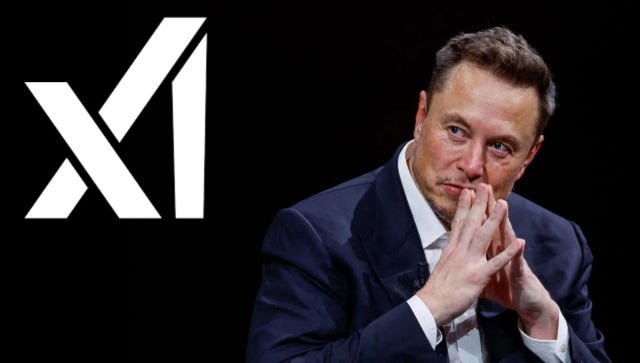
Elon Musk has orchestrated a significant financial and technical pact between SpaceX and xAI. This arrangement involves the aerospace giant purchasing a multi-billion dollar stake in the artificial intelligence startup. Furthermore, SpaceX will provide essential server infrastructure to help train xAI’s next-generation linguistic models. This collaboration seeks to bridge the gap between orbital engineering and advanced machine learning capabilities. The deal provides xAI with the massive computing power required to compete with industry giants. Conversely, SpaceX gains exclusive access to specialized AI tools for its autonomous space navigation systems. This move signals a deeper consolidation of Musk’s expansive technological empire under a unified vision.
The partnership targets the rapid development of xAI’s flagship platform to rival OpenAI and Google. xAI currently utilizes vast datasets from social media and satellite imagery for its training processes. Furthermore, the startup plans to integrate its intelligence into the Starlink satellite communication network. Active voice logic suggests that this technical fusion will optimize data transmission across the globe. Musk claims that the merger of these entities will accelerate the quest for general intelligence. Consequently, investors are closely watching the regulatory implications of such significant cross-corporate financial movements. Critics, however, warn that these overlapping interests could create complex conflicts of fiduciary responsibility.
In a related development, the capital injection allows xAI to recruit top-tier talent from competing laboratories. The startup recently announced a massive hiring drive for engineers specializing in large-scale distributed systems. Furthermore, the deal facilitates the construction of a new “compute cluster” dedicated to deep learning. This infrastructure will likely rank among the most powerful artificial intelligence facilities in the world. Conversely, some industry analysts question if SpaceX shareholders will benefit directly from this speculative venture. They argue that aerospace capital should focus primarily on Mars exploration and satellite deployment. Nevertheless, the board of directors has officially approved the transaction after several months of negotiation.
The broader implications of this deal extend into the realm of national security and sovereignty. Governments across the world are currently reassessing their reliance on privately held artificial intelligence platforms. Furthermore, the integration of AI into orbital assets creates new challenges for international space law. xAI intends to deploy specialized models to monitor environmental changes and global logistics from space. Consequently, this partnership could grant Musk unprecedented influence over the world’s most critical data streams. In a related development, the United States government is reviewing the technical specifications of the joint project. This scrutiny aims to ensure that dual-use technologies do not compromise sensitive federal interests.
Looking ahead, the success of this alliance will depend on the actual performance of the AI. Musk expects the new models to exhibit a level of reasoning superior to current alternatives. Furthermore, the integration into SpaceX hardware must demonstrate tangible improvements in mission success rates. The global tech community continues to debate the ethics of concentrated power in the AI sector. Consequently, the next few months will reveal if this $5 billion gamble yields a breakthrough. Nigeria’s emerging tech sector must observe these developments to understand the future of automated systems. For now, the silicon and steel of Musk’s companies move toward a singular, intelligent future.