

Naira Redesign: Court Witness Admits Emefiele Obeyed Buhari
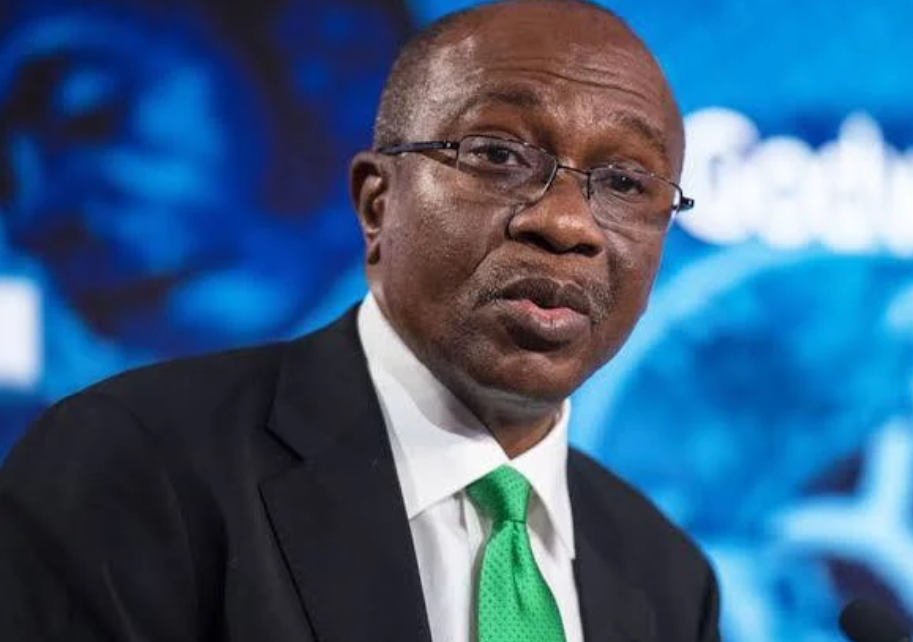
A federal court in Abuja has received fresh testimony regarding the controversial 2022 naira redesign policy. A star witness confirmed yesterday that Godwin Emefiele complied with a specific presidential directive for local production. The Economic and Financial Crimes Commission investigator, Chinedu Eneanya, testified as the seventh prosecution witness. He told the court that late President Muhammadu Buhari insisted on printing the notes within Nigeria. Consequently, the Nigerian Security Printing and Minting Company handled the entire production of the newly designed bills. This revelation surfaced during a heated cross-examination by the lead defense counsel at the High Court. The former Central Bank Governor currently faces charges of illegal currency redesign and public injury in Abuja.
Evidence suggests that Emefiele submitted a formal memorandum seeking presidential assent on October 6, 2022. The document outlined critical reasons for the policy, including rampant currency counterfeiting and illicit hoarding of cash. Furthermore, the witness read out the specific minute where Buhari approved the re-issuance of the currency. The late former president reportedly wrote: “Approved, but to be produced locally,” on the official bank memo. In compliance, the apex bank subsequently raised settlement bills to the national minting company for production. Consequently, the local mint successfully printed the banknotes in line with the high-level presidential mandate. Conversely, the prosecution alleges that the final form of the notes deviated from the initial specifications.
In a related development, the witness clarified the role of foreign firms in the technical redesign process. While the minting occurred locally, a United Kingdom company, De La Rue, handled the artistic redesign. Furthermore, the Central Bank made payments in British pounds sterling for these specific foreign design services. The witness noted that the Nigerian minting company received its own production fees entirely in naira. This technical distinction between the design phase and the physical printing remains a focal point of debate. Conversely, the defense argues that the president’s launch of the notes confirmed his final executive satisfaction. They believe the successful public launch validates the procedural integrity of the entire currency redesign exercise.
The judicial proceedings have triggered intense public interest regarding the limits of executive power and institutional oversight. Many observers are closely monitoring the case to understand the intersection of central banking and presidential authority. Furthermore, the court has ordered the prosecution to provide the defense with the full investigative report. This document will likely play a decisive role in the upcoming stages of the protracted criminal trial. In a related development, the judge adjourned the matter to February 10 for the continuation of cross-examination. Consequently, the legal teams must now analyze the latest testimonies to refine their various strategic positions. Nigeria’s financial community continues to watch these developments for signs of future regulatory and judicial stability.
Looking ahead, the outcome of this trial will fundamentally shape the future of Nigerian fiscal and monetary policy. The case serves as a mirror reflecting the complex relationship between the apex bank and the presidency. Furthermore, the judgment will determine if strict adherence to presidential minutes provides legal immunity for top officials. The global financial community continues to follow the proceedings as a test of Nigeria’s judicial independence. Consequently, the next few months will be critical for the legacy of the previous administration’s economic reforms. For now, the focus remains on the integrity of the evidence presented within the hallowed halls of justice. Nigeria’s journey toward a ₦100 trillion economy requires this level of accountability and legal clarity.