
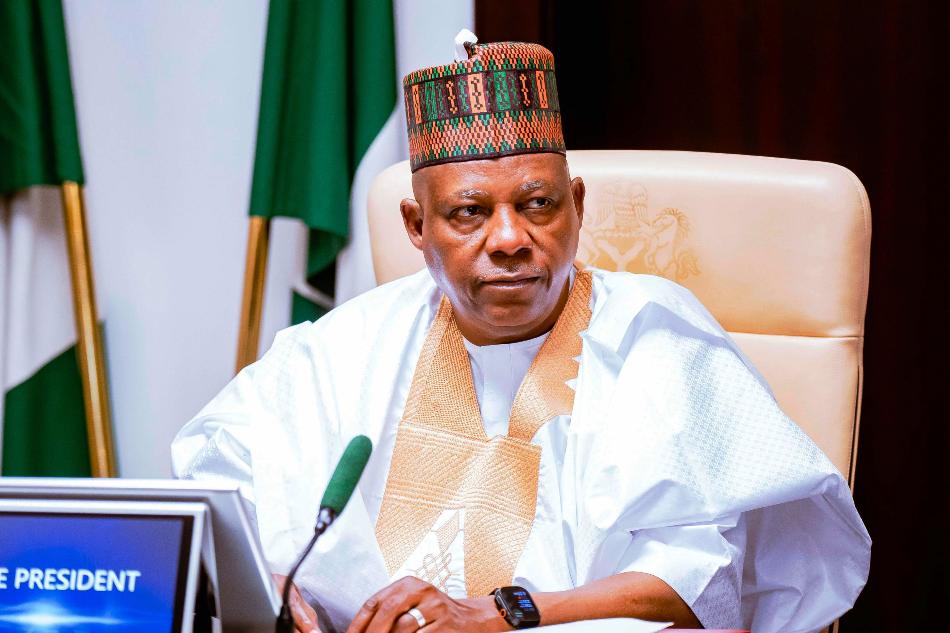
Vice President Kashim Shettima officially inaugurated a twenty-five-year development blueprint for the South-East region during a high-profile summit in Enugu. This strategic framework, titled “South-East Vision 2050,” aims to position the zone as a central pillar of Nigeria’s industrial future. The federal government simultaneously announced the establishment of the South East Investment Company Limited to drive significant capital mobilization. This new entity will attract funding from the global diaspora and international development finance institutions to bridge infrastructure gaps. Consequently, the five eastern states are now transitioning toward a structured, multi-decade economic transformation model.
Governor Peter Mbah of Enugu State delivered a compelling proposal for the creation of a South-East Common Market. He argued that the region can no longer afford the inefficiency of operating as five separate parallel actors. Furthermore, the governor emphasized that true prosperity requires the total unification of regional commerce, talent, and industry. He described the current fragmentation as a historical constraint that actively hinders the emergence of an economic giant. Conversely, a borderless economic bloc would allow the region to negotiate from a position of collective strength.
The forum witnessed an unprecedented gathering of the five regional governors and various heads of federal regulatory agencies. Governor Alex Otti of Abia State highlighted the potential for a unified regional power grid to stimulate productivity. Meanwhile, Governor Chukwuma Soludo of Anambra State urged the federal government to prioritize high-speed rail and seaport connectivity. These leaders believe that shared logistics corridors are essential for moving goods seamlessly across various state lines. In a related development, the Minister of Regional Development advocated for synergy between the South-East and South-South commissions.
The successful implementation of Vision 2050 depends heavily on establishing a secure and predictable business environment. Governor Mbah insisted that security must be treated as a critical piece of shared regional infrastructure henceforth. Furthermore, the governors committed to harmonizing investment rules and regulatory processes to present a coherent face to capital. This shift represents a decisive break from the reactive governance cycles that characterized previous regional development efforts. The ultimate goal remains the transformation of the South-East into a seamless theatre of enterprise and innovation.
As the summit concluded, stakeholders expressed a renewed sense of optimism regarding the zone’s long-term economic trajectory. The establishment of the South East Development Commission (SEDC) serves as the institutional vehicle for these ambitious projects. However, the Nigerian public remains watchful to see if these blueprints will translate into tangible jobs and growth. Moving from visionary planning to actual execution remains the primary challenge for the current crop of leaders. The Journal Nigeria will continue to track the progress of this regional integration as it unfolds.