


Nigerians Compare Elon Musk’s Post to Adekunle Gold’s Song on Wealth, Fulfilment
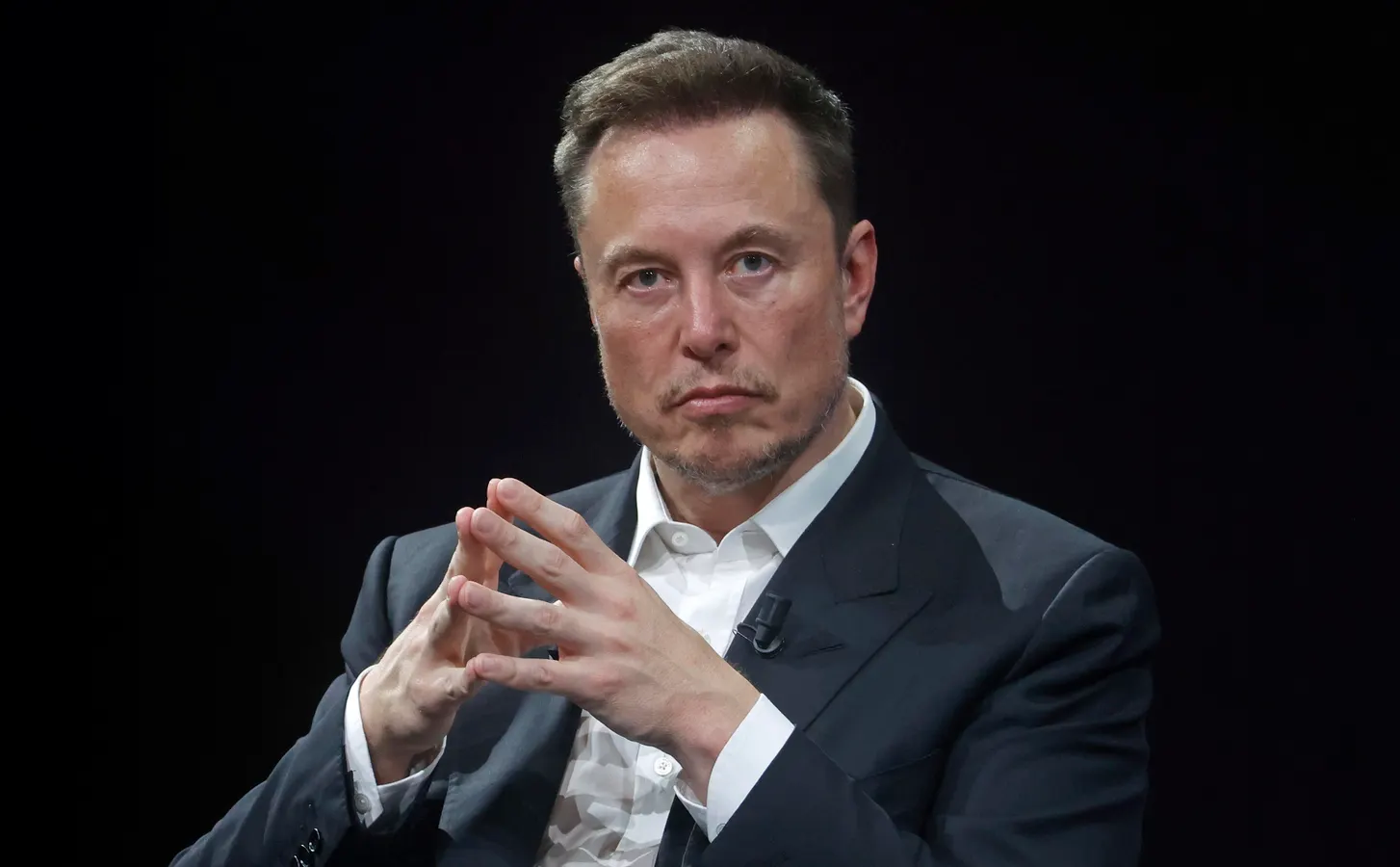
Elon Musk, the world’s richest person, has reignited a global conversation on the relationship between wealth and happiness after publicly endorsing the age-old adage that money does not guarantee emotional fulfilment.
In a post shared on his social media platform X, formerly known as Twitter, on Wednesday, Musk wrote, “Whoever said ‘money can’t buy happiness’ really knew what they were talking about.” The brief statement, posted by the Tesla and SpaceX chief executive officer, quickly went viral, accumulating over 33 million views and 245,000 likes within hours, according to publicly available metrics on the platform.
Read Also: Elon Musk Flags Shifting Global Power as Nigeria Ranks Sixth in IMF GDP Growth Outlook
The remark was widely interpreted as a rare public acknowledgment of personal struggles by the billionaire entrepreneur, whose net worth was estimated at approximately $400 billion as of early February 2026, according to the Bloomberg Billionaires Index. Musk’s fortune is largely derived from his stakes in electric vehicle manufacturer Tesla, aerospace company SpaceX, brain-computer interface firm Neuralink, and social media company X, among other ventures.
The post triggered widespread reactions across multiple continents, with users debating whether financial security truly translates to emotional well-being. In Nigeria, some social media users drew comparisons between Musk’s statement and themes explored in local popular culture, particularly Afrobeat singer Adekunle Gold’s 2021 song titled “It Is What It Is.”
In the track, which was released as part of his album “Catch Me If You Can,” Adekunle Gold sang, “Money no dey bring happiness oh / Na when I get money I realise oh,” reflecting similar sentiments about the limitations of wealth in securing happiness. The song, which blends Afrobeat rhythms with introspective lyrics, became a commercial success in Nigeria and across West Africa, resonating with audiences who related to its message about the complexities of financial success.
The intersection of wealth and happiness has been a subject of scholarly and philosophical inquiry for centuries. Ancient Greek philosophers, including Aristotle, explored the concept of eudaimonia, or human flourishing, arguing that true happiness stems from virtuous living rather than material accumulation. In modern times, empirical research has produced mixed findings on the correlation between income and subjective well-being.
A widely cited 2010 study by psychologist Daniel Kahneman and economist Angus Deaton, published in the Proceedings of the National Academy of Sciences, found that emotional well-being rises with income up to an annual threshold of approximately $75,000 in the United States, after which further increases in earnings yield diminishing returns in terms of day-to-day happiness. However, a 2021 study by Matthew Killingsworth, published in the same journal, challenged that conclusion, suggesting that happiness continues to rise with income even beyond that threshold, though at a slower rate.
Reactions to Musk’s post reflected these tensions. Some users agreed with the billionaire’s perspective, with one writing, “Very true, money doesn’t buy happiness, but it makes misery a lot more comfortable!” The comment appeared to acknowledge the practical benefits of financial security while conceding its limitations in addressing deeper emotional or existential concerns.
Others, however, took issue with Musk’s assertion, particularly given his position of extreme wealth. One user responded, “Being broke while watching your mates win will buy you depression, envy, and sleepless nights for free,” highlighting the psychological toll of poverty and financial instability. The comment resonated with many who argued that while money may not guarantee happiness, its absence often guarantees suffering.
Another user questioned the credibility of Musk’s perspective, writing, “Only $1m will make my smile for 20 years straight,” suggesting that those without significant wealth are better positioned to appreciate the value of financial resources. The sentiment reflects a common criticism levelled at wealthy individuals who philosophise about the limits of money—that their views may lack empathy or understanding of the daily struggles faced by those living in poverty or economic precarity.
Read Also: Elon Musk’s SpaceX Acquires xAI in Multi-billion Dollar Deal
Faith-based perspectives also emerged in the conversation. One commenter referenced a biblical verse, writing, “Money answers all things but Jesus gives true happiness, fulfillment and satisfaction,” paraphrasing Ecclesiastes 10:19 while asserting a spiritual dimension to the pursuit of well-being. The response reflects the role of religion in shaping attitudes toward wealth and contentment, particularly in societies where faith plays a central role in cultural identity.
Musk’s personal life has been the subject of intense public scrutiny over the years, with reports suggesting he has faced challenges in relationships, family dynamics, and work-life balance despite his professional achievements. He has fathered at least 12 children with three different women, according to publicly available reports, and has spoken in interviews about the emotional complexities of balancing his responsibilities as a father with the demands of running multiple companies.
In a 2022 interview with the Financial Times, Musk described his work habits as “excruciating” and acknowledged that his relentless focus on his businesses had taken a toll on his personal life. He has also been open about struggles with mental health, revealing in past interviews that he experiences significant stress and has used prescription medication to manage mood fluctuations.
The debate sparked by Musk’s latest post underscores a broader societal divide on the role of money in human flourishing. While some argue that financial security is a prerequisite for happiness, enabling individuals to meet basic needs, pursue meaningful goals, and access opportunities for personal growth, others contend that wealth alone cannot address fundamental human desires for connection, purpose, and meaning.
Nigeria, where the conversation also gained traction, has one of the highest rates of income inequality in the world, according to data from the World Bank and the National Bureau of Statistics. Approximately 40 per cent of Nigerians live below the national poverty line, with millions struggling to afford basic necessities such as food, healthcare, and education. In such a context, discussions about the limits of wealth in securing happiness can appear disconnected from the lived realities of ordinary citizens, many of whom view financial stability as an unattainable dream rather than a philosophical question.
At the same time, Nigeria’s entertainment industry, particularly the Afrobeats genre, has increasingly explored themes of wealth, success, and their psychological costs. Artists such as Burna Boy, Wizkid, and Adekunle Gold have produced songs that grapple with the pressures of fame and fortune, often reflecting on the gap between external success and internal peace.