


Logistics Charges: Dangote Refinery Prioritizes Gantry Loading to Reduce Cost
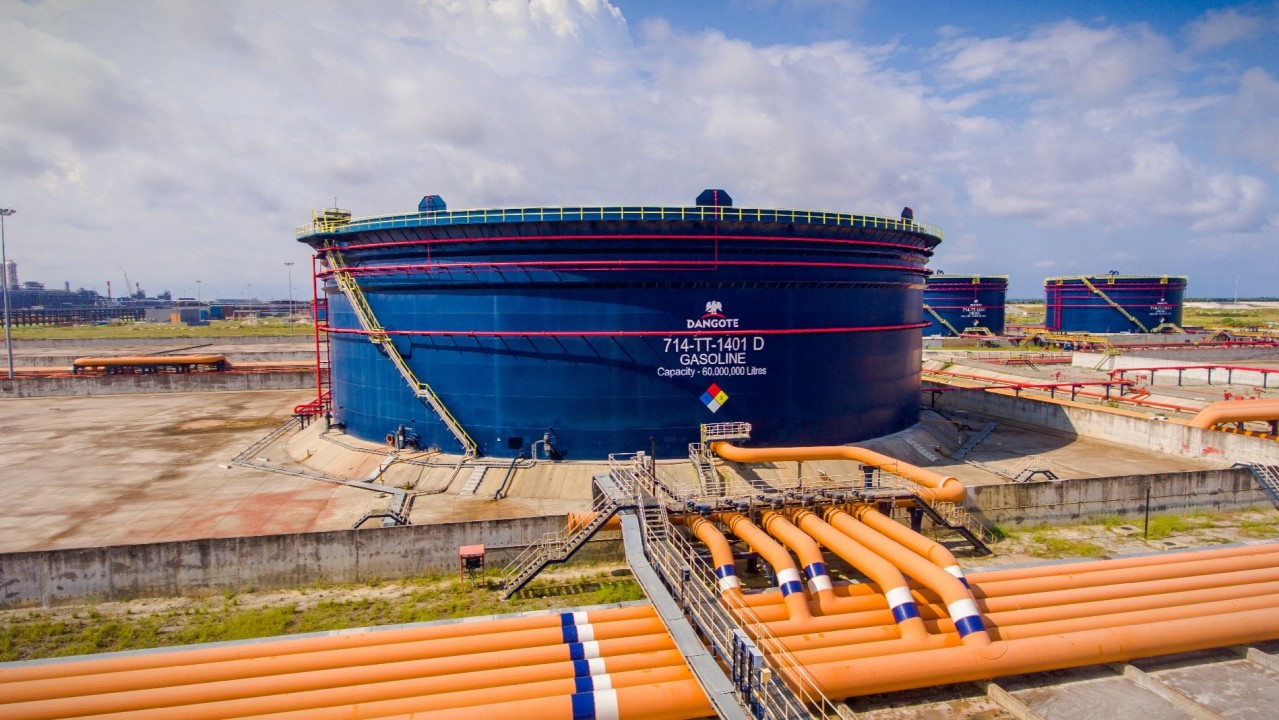 Dangote Refinery & Petrochemicals
The Dangote Petroleum Refinery has officially pivoted toward truck-based gantry loading to minimize rising coastal delivery costs. Management currently identifies a significant seventy-five naira per litre surcharge associated with traditional sea-based distribution methods. This strategic shift aims to insulate the Nigerian consumer from avoidable expenses embedded in the maritime logistics chain. The facility possesses the massive capacity to load hundreds of trucks daily through its ultra-modern gantry system. Consequently, the refinery expects to streamline the movement of refined products directly to various inland storage depots. This move signals a decisive departure from the age-old reliance on expensive ship-to-ship transfers at sea.
Industry observers note that maritime transportation frequently attracts multiple hidden levies and complex insurance premiums for marketers. These cumulative costs often translate into higher prices at the petrol pumps for the average Nigerian driver. Furthermore, the refinery management insists that direct gantry loading offers a more transparent pricing mechanism for distributors. The facility currently produces high-quality diesel and aviation fuel while preparing for large-scale premium motor spirit output. Conversely, traditional importers continue to struggle with the volatility of international freight rates and port congestion issues. The new strategy effectively positions the refinery as a central hub for efficient regional fuel distribution.
The shift toward road-based evacuation requires significant coordination with various national transport and logistics regulatory bodies. In a related development, the refinery is collaborating with the government to improve the surrounding road infrastructure networks. This partnership ensures that the high volume of tanker traffic does not paralyze local economic activities. Furthermore, the company believes that gantry operations will significantly reduce the time required to replenish national stocks. Technical experts argue that eliminating coastal middle-men will eventually lead to a more stable domestic energy market. The refinery remains committed to optimizing every segment of the downstream value chain for maximum national benefit.
Ultimately, the success of this logistics model depends on the integration of modern digital tracking systems. These tools allow the refinery to monitor every litre of fuel from the gantry to the station. Furthermore, the strategy supports the federal government’s policy on enhancing local content within the energy sector. Marketers must now upgrade their fleets to meet the stringent safety standards required by the refinery complex. The Journal Nigeria will continue to monitor how these operational changes influence the cost of living. Only a lean and efficient distribution system can guarantee long-term energy security for all Nigerian citizens.