
ABUJA — Nigeria’s fiscal ambitions faced a sobering reality check this week as the latest OPEC data revealed a significant shortfall in crude oil production. Despite a marginal increase in January, the nation’s output remains stalled at 1.459 million barrels per day (bpd). This figure sits nearly 400,000 barrels below the 1.84 million bpd benchmark set in the 2026 Appropriation Bill. Consequently, the Federal Government faces a widening revenue vacuum that threatens to derail critical infrastructure projects. Market analysts observe that this persistent deficit directly necessitates the planned N25.9 trillion in new borrowings to sustain the 2026 budget.
The February 2026 Monthly Oil Market Report highlights a concerning trend in the upstream sector. While Nigeria added 37,000 bpd in January—the largest increase among OPEC members—the gain remains a drop in a very large ocean. Last year, the country ended with an average of 1.4 million bpd, consistently failing the 2.06 million bpd target. Furthermore, the exclusion of roughly 200,000 bpd of condensates from OPEC’s primary data does little to soothe fiscal jitters. The volatility of international prices, currently hovering near $69, offers some relief against the budget’s $64.85 benchmark. However, price gains cannot compensate for the sheer volume of “missing” barrels that fund the national treasury.
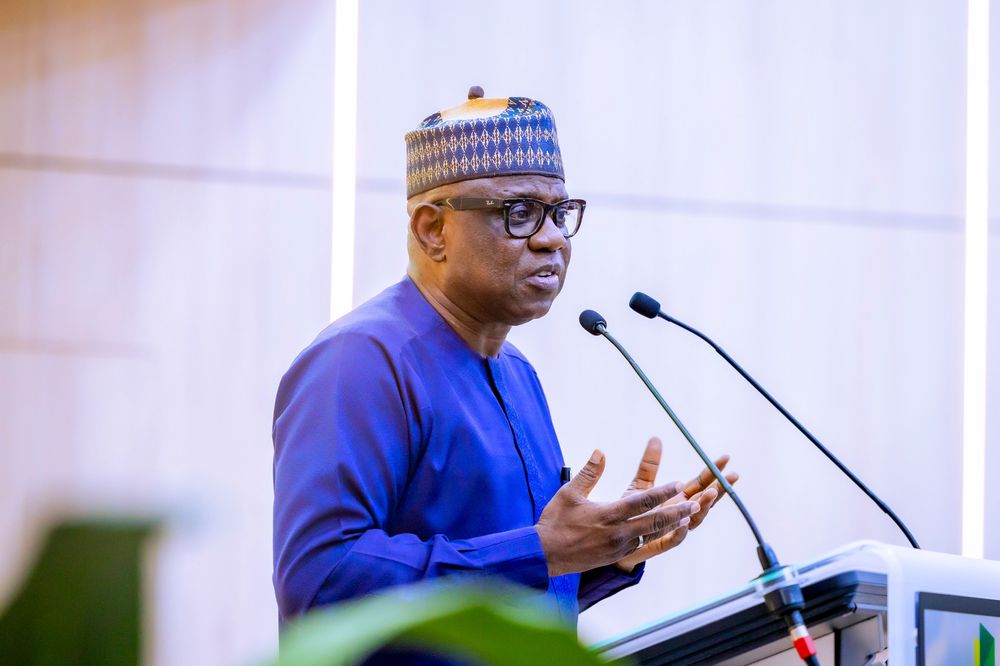
Conversely, Bashir Ojulari, GCEO of the Nigerian National Petroleum Company Limited (NNPCL), is pivoting the narrative toward long-term energy resilience. Speaking at the International Energy Week in London, Ojulari championed the “Gas Master Plan 2026” as a strategic escape from crude dependency. He argued that Africa must align infrastructure, policy, and capital to secure its industrial future. Furthermore, NNPCL intends to accelerate flagship projects like the Nigeria-Morocco Gas Pipeline to foster regional integration. Ojulari emphasized that gas remains the backbone of African industrialization, providing a cleaner alternative to traditional heavy oils.
In a related development, the NNPCL boss reaffirmed a commitment to aggressive decarbonization alongside production growth. Ojulari noted that the Petroleum Industry Act provides the necessary regulatory clarity to attract foreign investment. He called for harmonized pricing frameworks and joint technical regulations among African National Oil Companies. This collaborative approach aims to reduce investment friction and safeguard cross-border infrastructure against regional instability. Furthermore, the company targets a daily gas production of 10 billion cubic feet by 2027 to power local industries.
Ultimately, the 2026 fiscal cycle rests on a delicate balance between current oil realities and future gas promises. The Federal Government’s reliance on debt remains a high-stakes gamble against the hope of a production rebound. For the Nigerian commuter, these high-level maneuvers mean transportation costs and inflation remain tethered to the efficiency of the Niger Delta rigs. Without a swift surge in output, the “Naira-to-barrel” equation will continue to favor the creditors. The nation now waits to see if Ojulari’s diplomatic overtures in London can translate into a domestic revenue windfall.