
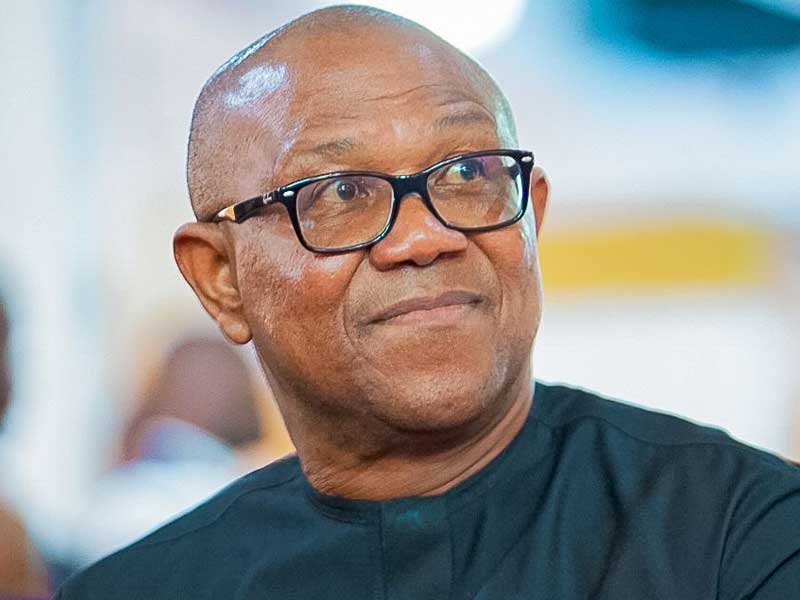
ABUJA — Former presidential candidate Peter Obi has delivered a scathing indictment of the Federal Government’s plan to disconnect the Presidential Villa from the national electricity grid. Speaking via his X platform on Monday, February 16, 2026, the Labour Party chieftain described the move as “gross neglect” and a symbolic surrender of leadership. This criticism follows an announcement by State House Permanent Secretary Temitope Fashedemi, who confirmed that Aso Rock will fully transition to a ₦17 billion solar mini-grid by March 2026. Consequently, Obi argues that the seat of power is isolating itself from the systemic energy failures currently plaguing millions of Nigerian households and businesses.
The controversy centers on a pivotal campaign pledge made by President Bola Tinubu in December 2022. During the election cycle, the then-candidate declared: “If I do not provide steady electricity in four years, do not vote for me for a second tenure.” Obi noted that thirty-two months into the administration, the national grid continues to perform abysmally, recording two total collapses in January 2026 alone. Furthermore, the 2026 Appropriation Bill proposes an additional ₦7 billion for the Villa’s “solarization,” bringing the cumulative project cost to ₦17 billion since 2025. While it is true that renewable energy is commendable, critics argue that the optics suggest a government-issued vote of no confidence in its own reforms.
The Presidency has defended the solar project as a strategic measure to reduce long-term operational costs and carbon emissions. Officials cited the State House Medical Centre, which has operated entirely on solar power since May 2025, as evidence of the project’s viability. Indeed, the transition aims to eliminate an estimated ₦47 billion annual electricity bill and resolve “legacy liabilities” with the Abuja Electricity Distribution Company (AEDC). Significantly, however, the 2026 budget still earmarks nearly ₦2 billion for generator fuel and maintenance at the Villa. This dual funding suggests that the seat of power remains skeptical of both the grid and its own renewable alternatives.
Notably, Obi stressed that leadership by example should involve strengthening public infrastructure for the benefit of all citizens. He questioned the morality of a system where the elite secure “private sanctuaries of light” while telling the public to endure darkness. Above all, he warned that such a move sends a message of governance lacking compassion for the governed. Subsequently, religious groups and policy analysts have echoed these concerns, describing the solar migration as an “elite shield” against national failure. For the commuter in Lagos, the irony remains sharp: the same authorities regulating the grid are the first to pull the plug.
Finally, the Aso Rock solar project has become a lightning rod for the broader debate on government accountability and the approaching 2027 polls. While the Presidency insists it is not abandoning the grid but complementing it, the physical disconnection planned for next month speaks volumes. Therefore, the administration faces the uphill task of proving that its reforms can still deliver the “steady electricity” promised to the ordinary Nigerian. As a result of this development, the electoral benchmark the President set for himself now hangs in a precarious balance. Accordingly, the quest for a “New Nigeria” continues to flicker between the promise of a sun-powered Villa and the reality of a darkened street.