


How to Use Ramadan to Reset Your Life, Habits, and Mental Health
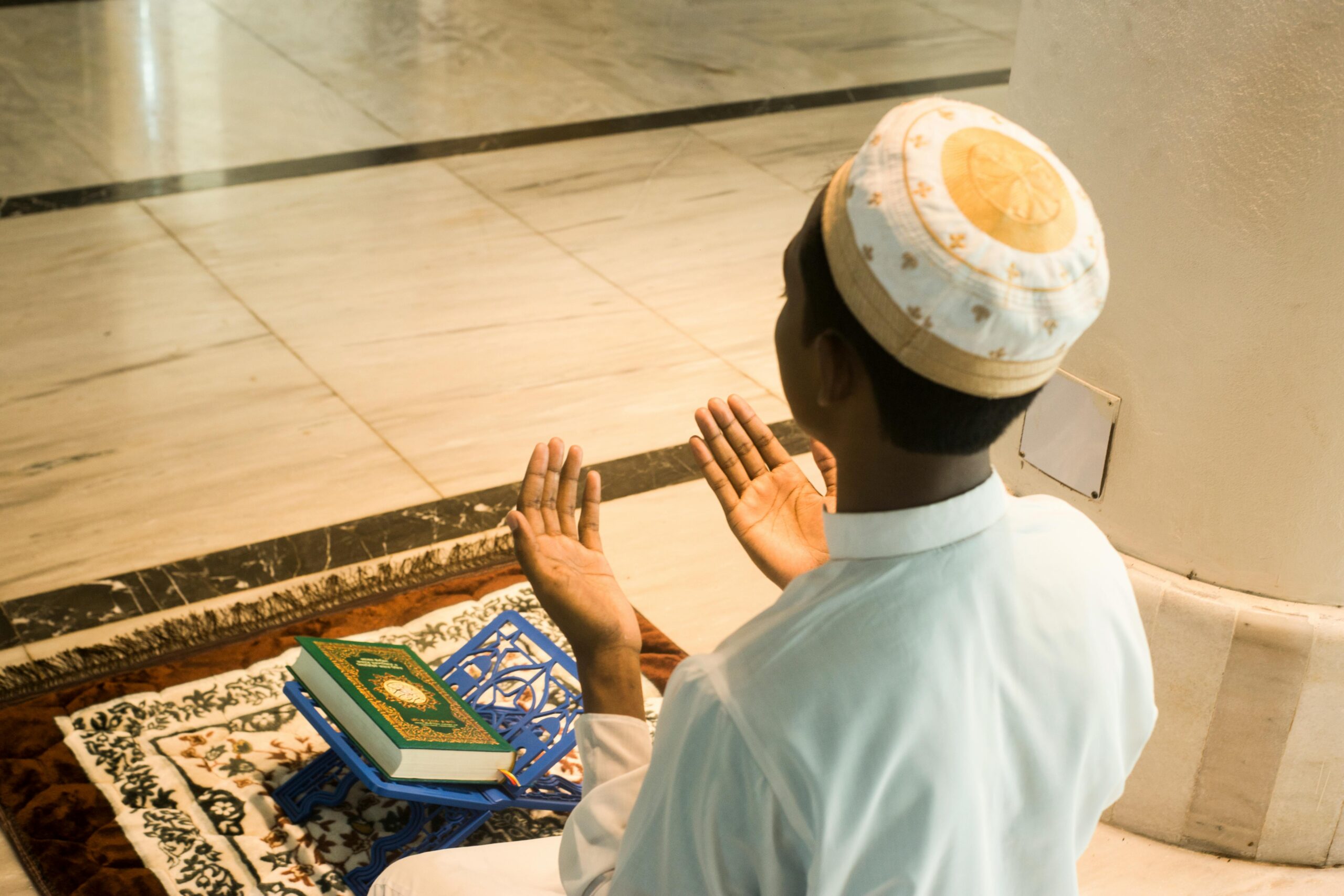
“Indeed, Allah will not change the condition of a people until they change what is in themselves.” (Quran 13:11)
There’s something about Ramadan that feels like standing at the edge of a new beginning. Maybe you’ve been carrying heaviness for months, habits you can’t seem to break, patterns that keep repeating, a version of yourself you don’t recognize anymore. Perhaps your mental health has been quietly suffering while you keep showing up for everyone else, or you’re just tired of being stuck. Ramadan doesn’t promise to fix everything. But it offers something rare: 30 days when the world slows down, when your normal routines break, and when there’s space to become someone different.
Here’s how to use it.
Start by Being Honest About Where You Are
You can’t reset what you won’t acknowledge. Before Ramadan begins, sit with yourself. No phone, no distractions. Ask the hard questions: What’s actually wrong? Not what you tell people, but what’s really weighing on you. Write it down. The messy, uncomfortable truth about where you are. Your anxiety, your anger, your loneliness, your shame about who you’ve become. Make dua about this too. Tell Allah what you’re struggling with. He already knows, but there’s power in naming it yourself, and in asking for help with the specific things that hurt.
Choose One Thing to Change
Don’t try to fix everything at once. Choose one habit, one pattern that, if it changed, would change everything else. Maybe it’s your phone addiction or negative self-talk. It could be isolation or anger poisoning your relationships. Be specific. Not “be better” but “stop scrolling after 9 pm” or “say one kind thing to myself every morning.” This is your anchor. When it gets hard, you come back to this one thing.
Use Fasting to Break the Cycle
Fasting breaks every automatic pattern in your life. You wake differently, eat differently, your whole rhythm changes. In that disruption, there’s an opportunity. Your bad habit is linked to triggers you no longer notice. The time of day, the place, and the feeling make it automatic. Ramadan changes all of that. When you feel the urge to fall into the old pattern, pause. Notice it. You’re not only fasting from food, but also fasting from bad habits or behaviours. Just for today and this moment. Every time you resist, you’re rewiring your brain. You’re proving you’re not controlled by this habit.
Build a Routine That Heals
Mental health struggles thrive in chaos. Ramadan gives you structure; use it.
Create a simple daily routine:
Morning: Wake for suhoor, pray fajr, read one page of the Quran. Sit quietly for five minutes. Just breathe.
Evening: Before iftar, make dua for what you’re carrying. After iftar, connect with someone—don’t isolate.
Night: Write three things: one you’re grateful for, one you did well today, and one you’re releasing.
You’ll miss days. That’s fine. Come back to it. The routine itself is healing, even when it’s imperfect.
Replace What You’re Removing
You can’t just stop a bad habit. Replace it with something better, or the emptiness will pull you back. Trying to quit doomscrolling? Read, journal, pray, or sit with your thoughts instead. Working on anger? Step away, take three breaths, and make wudu. Fighting loneliness? Decide who you’ll reach out to and when. The bad habit filled a need, even if it hurt you. You need something healthier to fill that same space.
Let Yourself Feel During Prayer
Prayer in Ramadan, especially tahajudd, can be the place where you finally process what you’ve been avoiding. When you’re in sujood, let yourself break. Cry, let go, ask for what you really need. The ground is there to catch you. Mental health and spiritual health are connected. When you’re carrying anxiety, depression, trauma, grief—bring it to prayer. Ask Allah to help you carry it.
Heal Through Giving
The Prophet (peace be upon him) said: “Charity does not decrease wealth.” (Muslim)
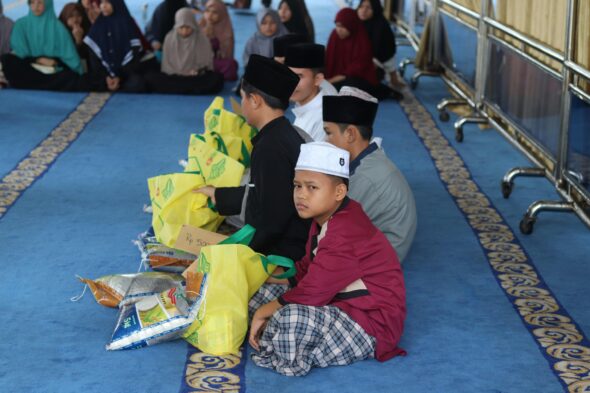
When you’re struggling with your own pain, giving to others can be surprisingly healing. It shifts your focus outward, reminds you that you have something valuable to offer, and connects you to something bigger than your struggle. During Ramadan, give what you can. Money to those in need, time to help someone, a kind word to a stranger, and forgiveness to someone who hurt you. Good deeds aren’t just about reward; they’re about remembering who you are beyond your pain. You’re not just your struggles; you’re also someone who can bring light into the world. Even small acts of kindness can pull you out of dark places. Try it and see.
Track the Small Wins
Change is slow, but small things will shift. For a situation that used to make you explode, and you stayed calm. A trigger that used to send you spiraling, and you noticed it, but didn’t react.
Write these down. “Day 7: didn’t check phone for two hours.” “Day 12: forgave myself for messing up.”
These small wins are proof you’re changing. When you doubt yourself, read this list.
When You Struggle, Be Gentle
Some days will be hard. You’ll mess up the habit you promised to break. You’ll feel anxious even as you’re praying. You’ll snap at someone. This doesn’t mean you’re failing. It means you’re human. When you fall, don’t stay down. Make wudu. Pray two rak’ah. Ask Allah to help you try again. He’s not disappointed in you. He’s waiting for you to come back.
Plan for After Ramadan
The biggest mistake is thinking the reset ends when Ramadan ends. In the last ten days, plan for day 31. What parts of your Ramadan routine will you keep? Maybe waking for Fajr, the phone boundaries, or the nightly gratitude practice. Choose what matters most and commit to it. Not all of it, but some of it. The parts that actually changed your life.
Ramadan won’t heal everything. One month can’t undo years of pain. But it can be the beginning. It can be the month you finally admit you need help. The month you start therapy and break the habits that are destroying you. The month you learned you’re stronger than you thought. If you’re really struggling with your mental health, please talk to someone. A therapist, a counselor, an imam, a trusted friend. Ramadan is powerful, but it’s not a replacement for professional help when you need it.
May this Ramadan be the reset you’ve been needing. May Allah ease what’s heavy, heal what’s broken, and bring you back to yourself. Amen