
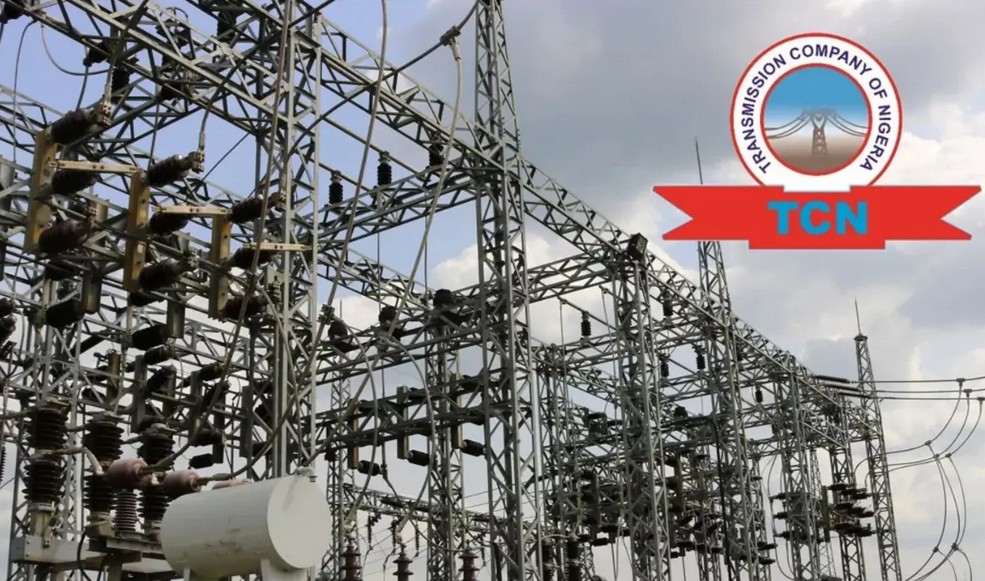
The Transmission Company of Nigeria has fixed February 18 and 19 for scheduled maintenance at its Zungeru Transmission Substation in Niger State. The company will shut down key equipment daily between 11 a.m. and 5 p.m. Officials confirmed that engineers will service major transformers and critical switchgear units. The intervention targets a 150MVA 330/132/33kV transformer and supporting infrastructure. Technicians will also inspect a 5.5MVA 33/11kV transformer within the facility.
The company insists the exercise forms part of a routine asset preservation strategy. Management says proactive servicing prevents sudden system collapse and prolonged outages. Above all, officials argue that preventive maintenance strengthens long-term grid stability. Nonetheless, residents in Kontagora, Tegina, and Yauri should expect short interruptions. The disruption will occur during load transfer to a backup transformer. Engineers plan to shift supply to a second 150MVA unit. Consequently, the interruption should remain brief and controlled.
Read Also: Electricity: FG Targets Aggressive Gas-to-Power Linkage to Boost Supply
Meanwhile, the Abuja Electricity Distribution Company and the Kaduna Electricity Distribution Company will continue supplying most customers. Both distribution companies will draw power from the alternate transformer. Therefore, consumers outside the affected axis may not notice any change. Notably, Zungeru Substation serves as a strategic node within Nigeria’s transmission architecture. It channels bulk electricity to distribution networks across the North-Central corridor. Any lapse in its functionality could ripple across adjoining service areas.
Although Nigerians remain wary of maintenance announcements, such exercises remain unavoidable. The grid has suffered repeated stress from ageing infrastructure and rising demand. Therefore, system managers increasingly adopt preventive scheduling to avert larger failures.
Ultimately, the maintenance reflects a familiar tension within Nigeria’s power sector. Authorities must balance short-term inconvenience against long-term reliability. For residents in the affected towns, patience will test that equation. For the grid operator, execution will define credibility.