
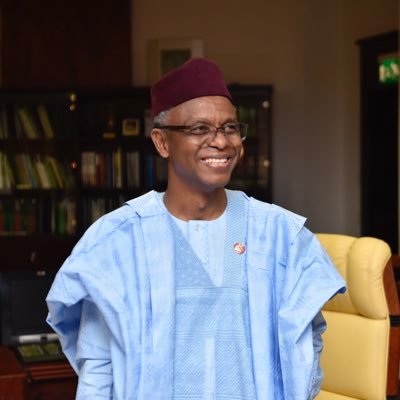
Nigeria’s anti-corruption dragnet tightened Wednesday around former Kaduna governor Nasir El-Rufai, following a dramatic inter-agency handover in Abuja. Operatives of the Independent Corrupt Practices Commission took him into custody shortly after the Economic and Financial Crimes Commission released him. The sequence capped three days of questioning at the EFCC headquarters. Sources confirmed the former governor regained brief freedom before ICPC officials intervened. However, the anti-corruption commission has yet to issue a formal statement. His counsel, A. U. Mustapha (SAN), declined substantive comment late Wednesday.
Meanwhile, the Federal Government filed criminal charges before the Federal High Court in Abuja. Prosecutors cited alleged unlawful interception of communications involving National Security Adviser Nuhu Ribadu. The charges rely on provisions within the Cybercrimes Amendment Act 2024. They also reference sections of the Nigerian Communications Act 2003. Notably, prosecutors anchored the case on statements made during an appearance on Arise TV. During that broadcast, El-Rufai suggested associates accessed high-level phone conversations. That admission, authorities argue, constitutes evidence of criminal conduct.
In a related development, the Department of State Services reportedly revived investigations into the 2019 disappearance of Abubakar Idris, widely known as Dadiyata. Security sources disclosed that investigators recently restricted El-Rufai’s international travel. Officials allegedly seized his passport at Abuja’s international airport.
Furthermore, security operatives are examining social media posts linked to his sons. Investigators believe those posts may shed light on prior knowledge claims.
Nonetheless, El-Rufai has consistently denied wrongdoing in previous public statements. His allies frame the prosecution as politically motivated. Conversely, federal authorities insist the matter rests strictly on statutory violations. Above all, this case signals renewed institutional assertiveness within Nigeria’s anti-graft framework. Whether the courts validate the charges will shape the nation’s legal precedent.