


PENGASSAN Rejects Tinubu’s Oil Revenue order; Warns of 4,000 Job Losses
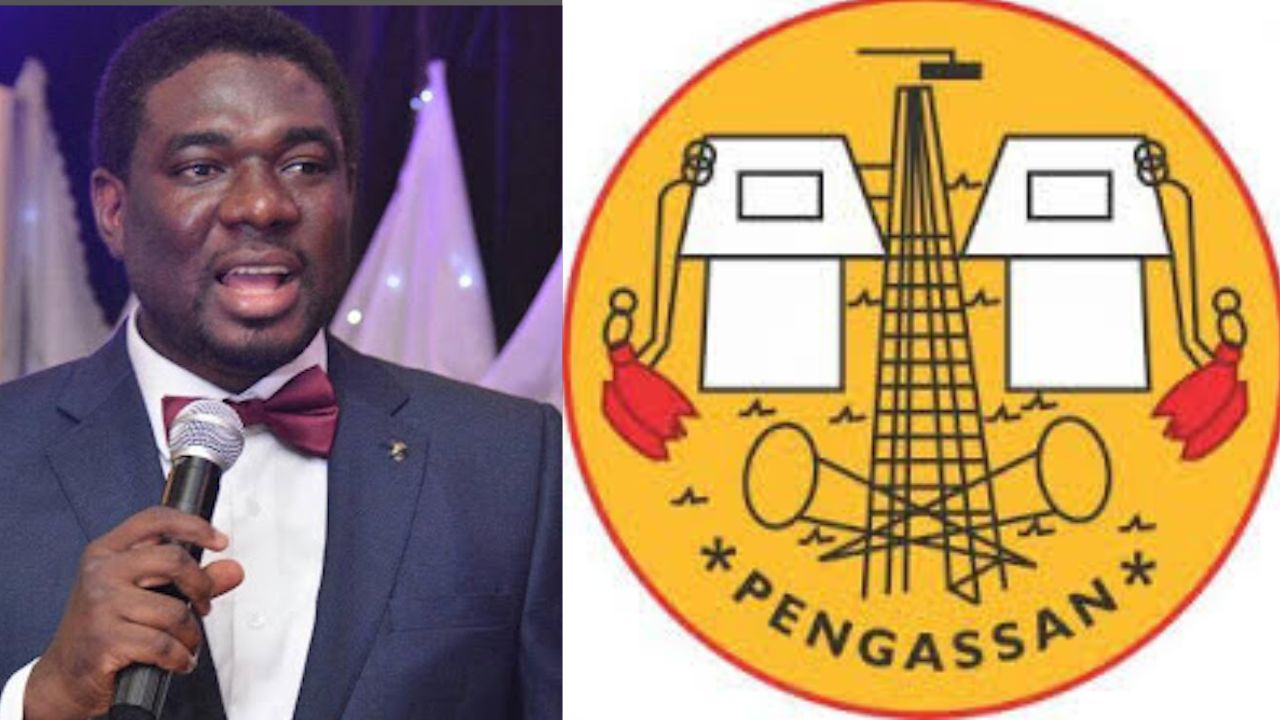
ABUJA — The Petroleum and Natural Gas Senior Staff Association of Nigeria (PENGASSAN) has formally demanded that President Bola Tinubu rescind the Executive Order mandating direct oil revenue remittances to the Federation Account. Speaking at a tense press conference on Thursday, February 19, 2026, PENGASSAN President Festus Osifo characterized the directive as a “direct attack” on the structural integrity of the Petroleum Industry Act (PIA) 2021. The union warns that the sudden removal of the 30% management fee and frontier exploration funds could bankrupt the Nigerian National Petroleum Company Limited (NNPC). Consequently, Osifo cautioned that nearly 4,000 oil workers face “imminent redundancy” if the state-owned firm loses the financial capacity to meet its operational and contractual obligations.
The controversy centers on Executive Order No. 9, which seeks to halt automatic deductions by NNPC to boost available cash for the three tiers of government. Last year alone, NNPC reportedly retained over ₦918.6 billion for management fees and frontier exploration, leaving the Federation Account with a diminished share of total earnings. Furthermore, the President’s directive aims to redirect all royalty oil, tax oil, and profit oil proceeds directly to the central pot. While it is true that the administration prioritizes fiscal discipline, PENGASSAN argues that the move violates Sections 8, 9, and 64 of the PIA. Indeed, Osifo alleged that the President might have been “misled” by advisors who failed to distinguish between corporate earnings and statutory earmarked funds.
Professor Emeritus Wumi Iledare, a renowned petroleum economist, described the order as a “significant fiscal intervention” justified by current budgetary pressures. However, Iledare warned that substantive alterations to statutory fiscal frameworks typically require legislative amendment rather than mere executive fiat. In a related development, other stakeholders noted that NNPC’s dual role as both a commercial entity and a concessionaire has created institutional tensions. Granted, direct remittance could enhance transparency and reduce “discretionary retention” by the national oil company. Significantly, though, the union maintains that the 30% Frontier Exploration Fund does not sit idly in NNPC’s vaults but remains dedicated to national energy security.
Notably, the industrial relations temperature in the sector has reached a boiling point following the union’s “final warning” to the government. PENGASSAN recalled its active participation in the 20-year journey to pass the PIA, insisting that “executive overreach” must not dismantle two decades of legislative work. Above all, the union fears that international investors will view the move as a sign of regulatory instability in Nigeria’s most vital sector. Subsequently, the association has threatened to initiate a series of industrial actions if the President fails to engage in “prompt legislative consultation.” Although the ₦918 billion windfall is attractive to cash-strapped governors, the cost of a total industrial shutdown remains a daunting prospect for the nation.
Finally, the focus shifts to the National Assembly, where lawmakers must decide whether to validate or challenge the President’s bold fiscal maneuver. Therefore, the administration must navigate a thin line between “urgent national importance” and “constitutional alignment” to preserve investor confidence. As a result of this pushback, the 2026 petroleum reform agenda faces its most significant test of institutional endurance. The quest for oil revenue transparency remains a high-stakes gamble that could either fix the federation’s finances or paralyze its primary engine of growth.