


Sokoto: Bandits Sack Bargaja Town, Killing Many
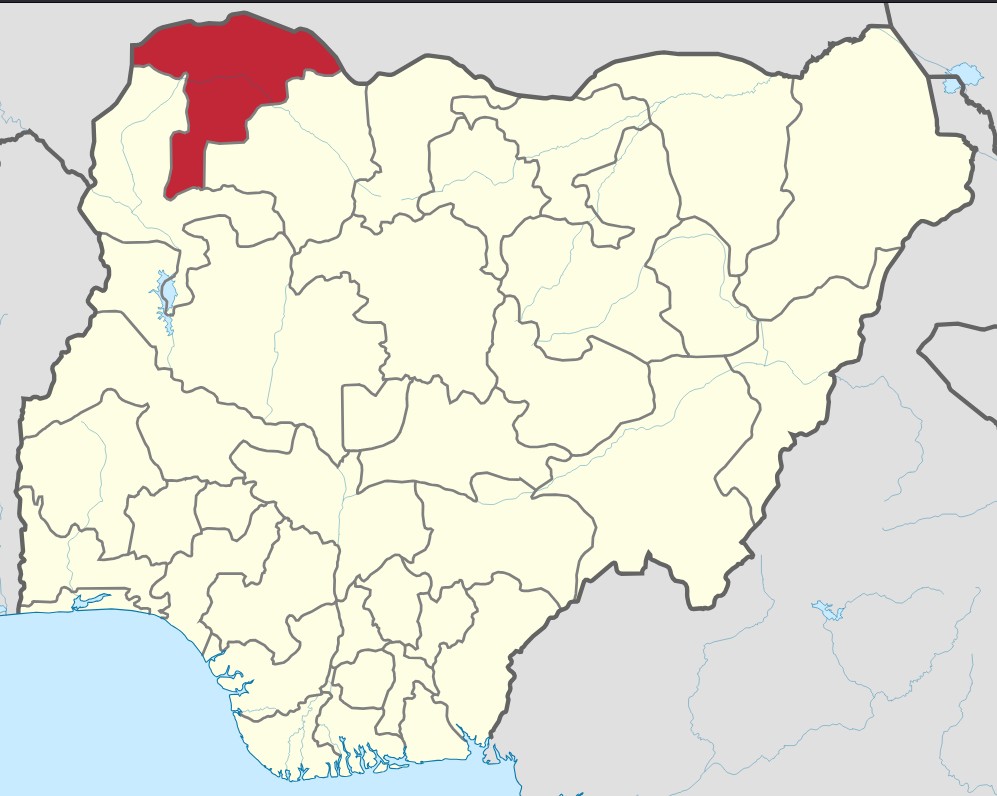
SOKOTO — Suspected armed bandits have launched a lethal nighttime assault on Bargaja town in the Isa Local Government Area of Sokoto State. The attackers reportedly killed several residents and abducted one individual during a high-velocity raid on Sunday night. Consequently, the local population is currently grappling with profound anxiety as the community remains a volatile security flashpoint. Security sources confirmed that the marauders utilized the cover of darkness to execute the massacre before retreating into the bush. While it is true that the exact casualty figure remains unverified, witnesses described a scene of absolute carnage. This latest incursion reinforces the precarious reality of rural life along the fringes of the North-Western state.
The bandits reportedly stormed the town in large numbers, overwhelming the skeletal local defense units stationed nearby. Furthermore, the abduction of a resident suggests that the gang intended to secure human leverage for future negotiations. In a related development, tactical teams have received orders to commence a motorized sweep of the surrounding forest. Indeed, the recurring nature of these strikes has paralyzed agricultural activities across the Isa and Sabon Birni corridors. For the residents of Bargaja, the Sunday night ambush represents a heartbreaking collapse of the fragile local peace.
Community leaders argue that the lack of consistent aerial surveillance has emboldened these non-state actors recently. Similarly, neighboring villages have started forming self-defense committees to augment the efforts of the formal security agencies. Granted, the state government has recently procured new logistical assets, but the vast terrain remains difficult to monitor. Notably, the Isa axis serves as a strategic transit route for trans-border criminal groups operating within the region. Above all, the local population is demanding a permanent military outpost to protect the remaining residents of Bargaja.
This attack mirrors a broader pattern of “asymmetric warfare” targeting vulnerable agrarian settlements in the North-West. Subsequently, the Sokoto State Government must harmonize its intelligence efforts with federal troops to achieve a decisive victory. Although the police have vowed to track the killers, the difficult geography often favors the fleeing insurgent cells. Therefore, the authorities must transition from reactive rescue missions to a proactive, forest-clearing operational model.
The focus shifts to the identification of the deceased and the safe recovery of the lone captive. As a result of this tragedy, perhaps the call for “State Police” and localized security control should gain fresh momentum. Also, the quest for a peaceful and prosperous Sokoto depends on the total neutralization of these forest-based gangs.