
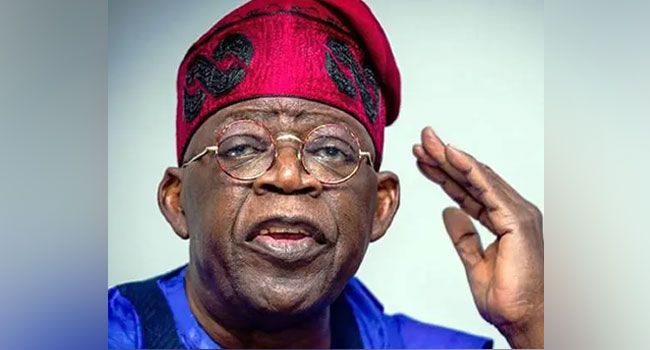
ABUJA — President Bola Tinubu has formally declared that Nigeria has emerged from the peak of its economic and security tribulations. Speaking during an interfaith breaking of fast at the State House Banquet Hall, the President signaled a definitive transition toward national stability. The gathering drew twenty governors from across the political spectrum, alongside deputy governors and top-tier federal administrators. Tinubu emphasized that the nation has successfully navigated the “dark tunnel of uncertainty” that previously defined the national outlook. Consequently, the administration is now shifting its focus from crisis management to sustainable grassroots development and youth empowerment. While it is true that many challenges persist, the President maintained that the foundation for a prosperous future is now secure.
Central to this new phase of governance is the reaffirmed commitment to establishing state-level policing across all local governments. The President specifically addressed the unemployed and those in rural areas, promising that decentralized law enforcement will combat localized insecurity. Furthermore, Tinubu praised the governors for their resilience and bipartisan cooperation in rescuing the national economy from total collapse. In a related development, he commended Borno State Governor Babagana Zulum for his proactive Ramadan feeding initiatives. Indeed, the President argued that the current convergence of the Muslim Ramadan and Christian Lent serves as a divine reminder for national unity.
The Chairman of the Nigeria Governors’ Forum, represented by Governor Hope Uzodinma, hailed the President’s inclusive leadership style. Uzodinma noted that the simultaneous occurrence of these holy seasons happens only once every 33 years. He praised the administration for deliberately stripping partisan politics away from core issues of national progress and reform. Granted, the country faces significant inflationary pressures, yet the governors pledged their total loyalty to the new tax reforms. Notably, the Vice President, Kashim Shettima, and Chief of Staff, Femi Gbajabiamila, joined the interfaith prayers led by Christian and Muslim clerics. Above all, the assembly highlighted a rare moment of ethnic and religious harmony within the highest corridors of power.
Significantly, the President urged the state executives to spread development opportunities beyond urban centers to the primary grassroots level. Subsequently, he challenged the governors to embrace the youth with compassion and provide tangible platforms for their economic advancement. Although the administration acknowledges public complaints, Tinubu insisted that the “result of hard work is more work.” Therefore, the Federal Government must now match this declaration with visible improvements in the daily purchasing power of citizens.
The focus of the Presidency remains on consolidating the gains of the recent foreign exchange and fiscal policy adjustments. As a result of this interfaith consensus, the political friction between the center and the sub-nationals appears to be at a record low.