


The Price of Scrutiny: NASS Shifts Resumption to March 5
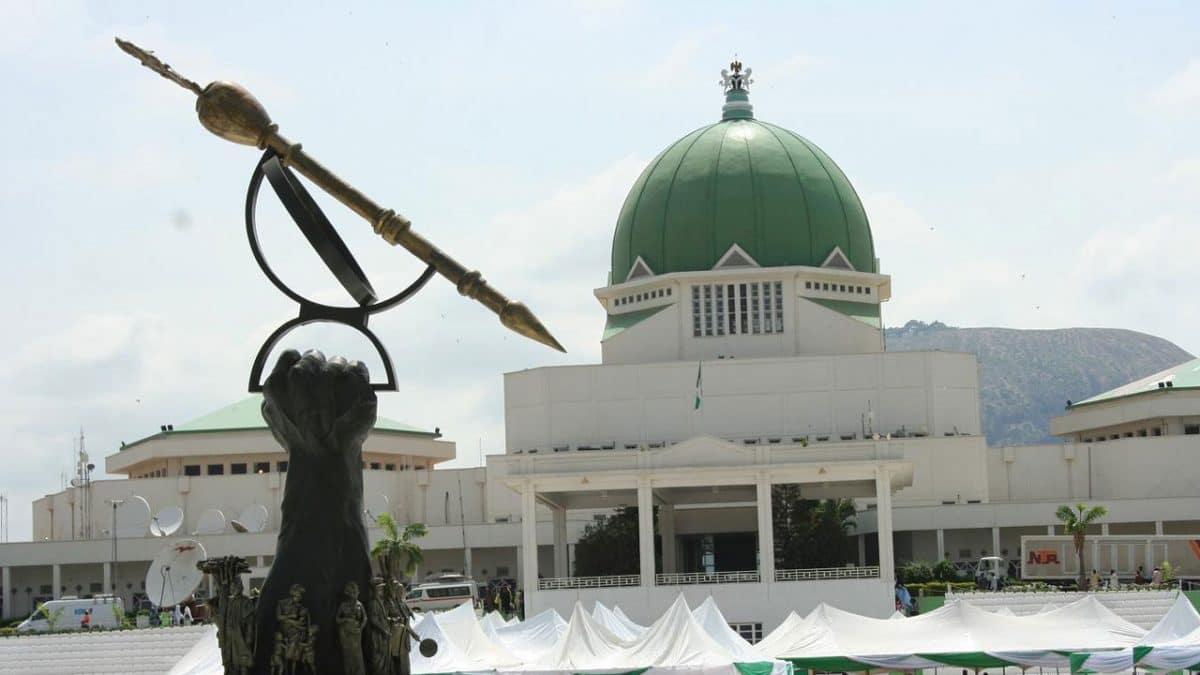
Nigeria’s National Assembly is rarely accused of moving too slowly when money is on the table. Yet, the decision to postpone plenary resumption from February 24th to March 5th suggests a rare outbreak of diligence. The official reason is the need for committees to conclude budget defense sessions with government agencies. The unofficial reality is a growing friction between a cash-strapped executive and a legislature increasingly wary of rubber-stamping a ₦58.7 trillion mountain of debt and projections.
The delay is not merely administrative. Last week, the Senate’s economic team voiced sharp doubts about the implementation of the 2025 budget, noting that capital releases have been sluggish while debt service costs continue to climb. For the 2026 “Budget of Consolidation,” lawmakers are asking questions that usually go unasked. They want to know why contractors remain unpaid while new projects are proposed. They are poking at the seams of revenue assumptions that look, to the trained eye, rather optimistic.
Efficiency in Abuja often masks a lack of oversight. By extending the recess, the leadership of both chambers is signaling that the usual “bow and go” approach for agency heads may be suspended. The Finance Ministry’s promise that payments for the 2025 cycle would commence “within days” was met with polite skepticism. Lawmakers are beginning to realize that passing a budget is easy; finding the money to fund it is where the trouble starts.
This pause also serves a political purpose. In a climate of rising inflation and public discontent, a performative show of legislative rigor provides a necessary buffer. By demanding more time to scrutinize the books, the National Assembly positions itself as a watchdog rather than a cheerleader. It is a tactical retreat to ensure that when the gavel finally falls, the document carries at least a veneer of fiscal realism.
The deadline for final passage remains March 17th. With the resumption now set for March 5th, the window for floor debate has narrowed to a sliver. The logic is clear: do the messy work in the quiet of committee rooms to avoid a public brawl on the floor. Whether this results in a better budget or simply a more expensive delay remains to be seen. In Nigeria, the clock always runs faster than the revenue. This calculated pause suggests the era of effortless budget approvals is giving way to a more friction-heavy fiscal reality.