


CBN Reports N4.05trn Raised as Recapitalisation Deadline Looms
Nigeria’s lenders are currently engaged in a frantic scramble for cash. According to the Central Bank of Nigeria (CBN), the industry has successfully mobilised ₦4.05trn to meet new, more aggressive capital thresholds. Of the 33 banks under the microscope, 20 have already crossed the finish line. The remaining 13 are staring at a clock that is ticking toward an existential midnight. For these stragglers, the options are narrowing to a binary: merge or vanish.
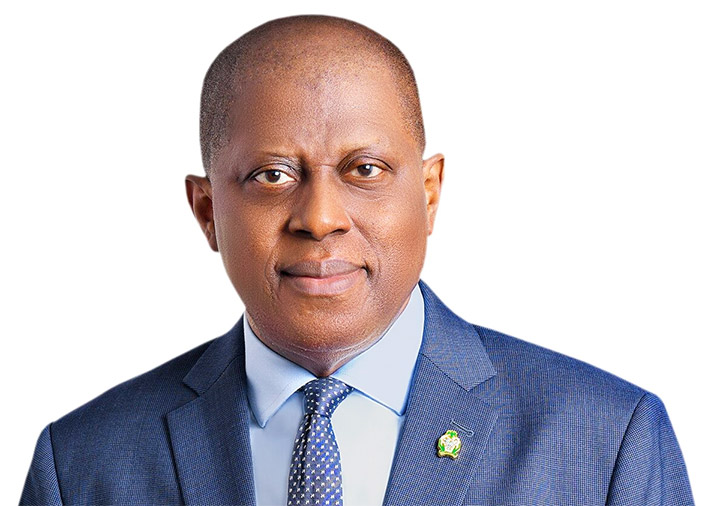
The capital hike is Olayemi Cardoso’s attempt to build a trillion-dollar economy on the back of sturdier institutions. The logic is simple. To fund large-scale infrastructure and withstand currency volatility, banks need more than just ambition; they need bulk. By raising the minimum capital for international banks to ₦500bn, the CBN is effectively forcing a Darwinian thinning of the herd. Small banks are no longer invited to the top table.
Market appetite has remained surprisingly resilient despite a punishing inflationary environment. Tier-1 banks found ready buyers for their rights issues and public offers, suggesting that institutional investors still see value in Nigerian banking DNA. However, the ₦4.05trn figure masks a widening gulf. While the giants are oversubscribed, the smaller players are struggling to convince a skeptical public that they are worth the risk.
The CBN has been uncharacteristically blunt about the fate of the 13 undercapitalised firms. There will be no extensions. In previous eras, Nigerian regulators often blinked when faced with the prospect of bank failures. Mr. Cardoso seems cut from a different cloth. By signaling that “non-compliant” banks will be liquidated or downgraded, he is trying to restore a sense of consequence to the financial district.
Capital is not a cure-all. A bank can be well-capitalised and still be poorly managed or prone to insider abuse. The 2004 consolidation under Charles Soludo proved that bigger banks can simply make bigger mistakes. The current drive secures the balance sheet, but it does little to address the underlying fragility of a naira that refuses to settle. Cash is being raised, but confidence remains expensive.