
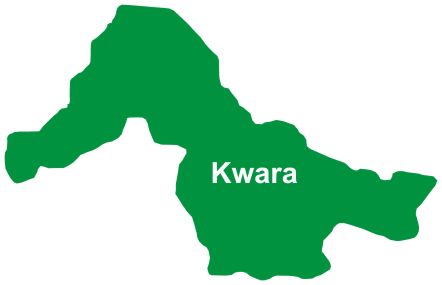
Protests replaced the usual quiet of the Government House gates in Ilorin on Wednesday. Hundreds of protesters from Kwara North gathered to demand an end to a surge in banditry and killings. The Coalition of Kwara North Youths accused the state government of failing to protect Edu, Patigi, and Kaiama. Recent attacks in Woro and Nuku reportedly claimed up to 200 lives in just forty-eight hours. These figures represent an increase in violence in a region once considered a peaceful agricultural belt.
The geography of the crisis spans from the riverine settlements of Patigi to the trading hubs of Gbugbu. Farmers now abandon their tilled earth for fear of ambush, while schools remain empty as parents choose safety over lessons. This shift from anticipating harvests to fearing raids marks a collapse in rural stability. The protesters carried placards that served as a grim tally of the dead—parents, students, and breadwinners. Such losses create permanent voids in the fragile social fabric of these northern communities.
A particular point of friction emerged over the Yikpata National Youth Service Corps (NYSC) orientation camp. The government recently relocated corps members to Ilorin, citing safety concerns, yet converted the original camp into a shelter for displaced persons. The youth coalition sees this as a logical contradiction. If the site is safe enough for the homeless, they argue it is safe enough for the youth programme. They demand a reversal of this conversion and the designation of more secure facilities for those fleeing the violence.
The demands of the coalition go beyond immediate security patrols to a broader developmental roadmap. They are calling for a comprehensive support plan that includes medical care and trauma counselling for survivors. Compensation for destroyed homes and looted farms is also on their list of necessities. Without a time-bound strategy to restore confidence, the cycle of displacement will only intensify. The state must move from reactive measures to a sustained presence in these flashpoint areas.
The “peaceful but pained” tone of the demonstration highlights a growing disconnect between the capital and the hinterlands. While officials in Ilorin may offer platitudes, the residents of Lafiagi and Woro live in a state of constant vigil. Security in Kwara North is not merely a matter of policing but of economic survival for the entire state. If the “food basket” is under siege, the resulting scarcity will eventually reach every kitchen in Nigeria.
The Governor now faces a choice between cosmetic fixes and an overhaul of rural security. The protesters made it clear that silence from the administration would be viewed as complicity in their tragedy. Decisive action is required to clear the rural roads of kidnappers and the forests of armed bandits. Until the state can guarantee the safety of a farmer on his own land, the rhetoric of progress remains hollow.