
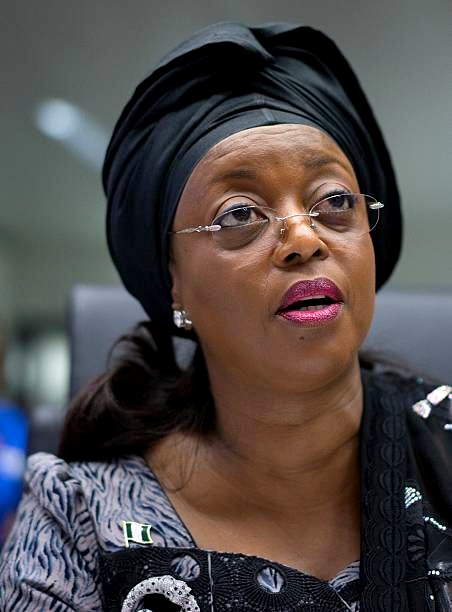
Legal proceedings against Nigeria’s former oil minister, Diezani Alison-Madueke, moved into a digital arena this week. Four witnesses gave evidence from a Federal High Court in Abuja via video link to Southwark Crown Court. This cross-border cooperation follows a formal request from British authorities under mutual legal assistance laws. Justice James Omotosho presided over the Nigerian end of the link to ensure evidence met statutory standards. The trial involves allegations of bribery and corruption during her tenure from 2010 to 2015.
The former minister faces six charges involving the acceptance of bribes and conspiracy. Prosecutors in London claim she received at least £100,000 in cash and various luxury perks. These allegedly included private jet travel, chauffeur-driven cars, and the upkeep of posh London properties. Even the school fees for her son reportedly came from the pockets of oil contractors. Such benefits are framed by the Crown as rewards for awarding lucrative energy contracts. She denies all charges and has remained on bail since her 2015 arrest.
The use of live video testimony marks a significant step in this long-running case. It allows the jury in London to hear directly from Nigerians who witnessed the alleged deals. Justice Thornton, presiding in the UK, observed the proceedings as the witnesses spoke from 11 a.m. local time. Two more witnesses are expected to testify on Thursday to round out this phase. This arrangement bypasses the logistical hurdles of transporting witnesses across continents during a complex trial.
Alison-Madueke holds the distinction of being Nigeria’s first female petroleum minister. She also broke ground as the first woman to lead the OPEC oil cartel. Her trial, which began in late January, is scheduled to last up to twelve weeks. If the jury finds her guilty, the UK Bribery Act carries a maximum ten-year prison sentence. An unlimited fine could also strip away the very wealth she is accused of accumulating. She stands trial alongside two other defendants, Doye and Olatimbo.
The evidence presented includes recorded exchanges between the former minister and oil contractors. These tapes reportedly capture heated discussions regarding the “advantages” provided to her. Nigerian authorities have long sought her return to face separate charges in her home country. For now, the focus remains on the Southwark courtroom and the integrity of the witness statements. The outcome will serve as a lead for international efforts to prosecute high-level graft.
British investigators have spent years piecing together the flow of funds from Abuja to London. They allege that the scale of the bribery was vast and deeply entrenched. The defence will likely argue that the benefits were gifts or legitimate business expenses. However, the prosecution paints a picture of a minister who traded national resources for personal comfort. The next few weeks will determine if this authoritative figure faces a decade behind bars.