

Nigeria Secures $1.3bn Alumina Deal to Revive Mining Sector
 Screenshot
The Federal Government has signed a landmark $1.3 billion agreement with the Africa Finance Corporation (AFC) to build a massive alumina refinery. This project, coordinated through the Solid Minerals Development Fund (SMDF), marks the largest private investment in Nigeria’s mining history. The facility aims to process one million tonnes of bauxite ore annually using the modern Bayer process. It includes an on-site gas-fired plant to ensure a steady supply of steam and power. Such an integrated infrastructure is essential if Nigeria hopes to move beyond raw ore exportation.
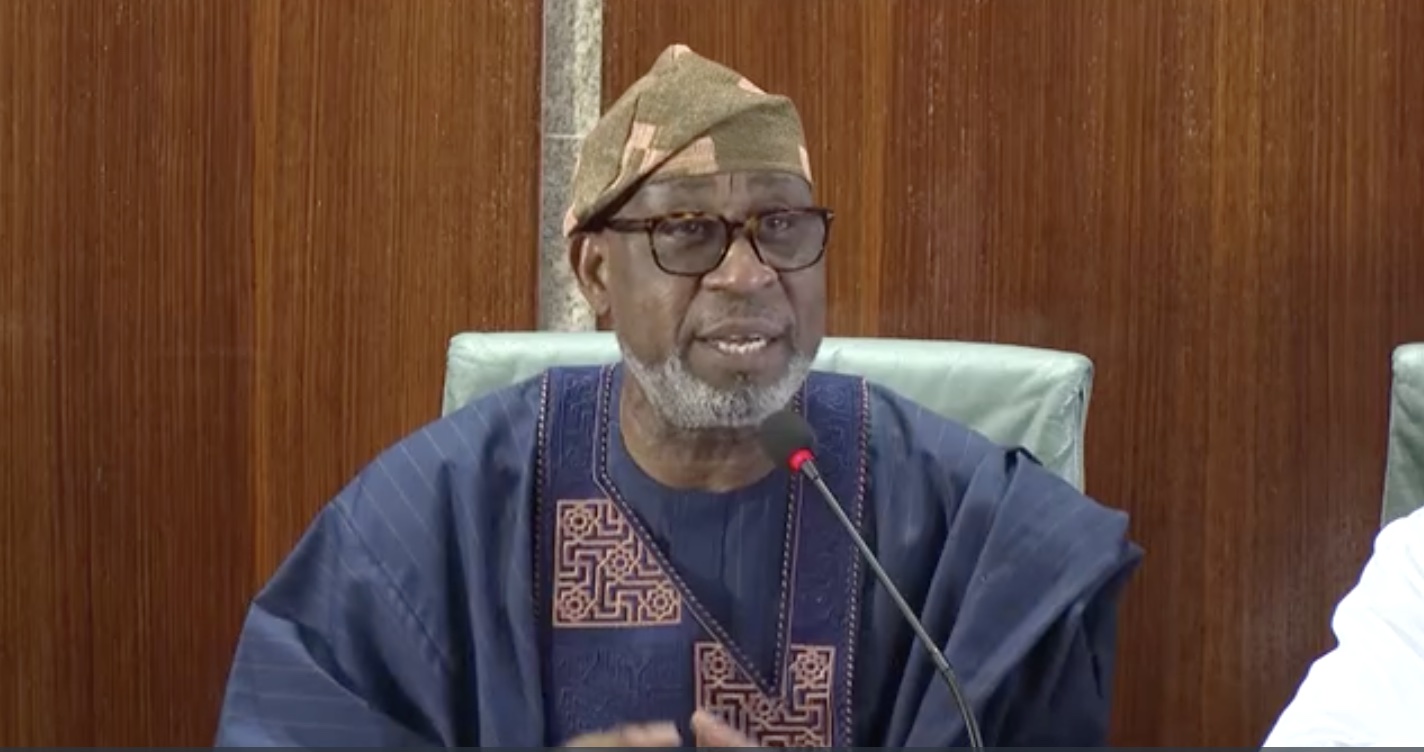
Minister of Solid Minerals Development, Dr. Dele Alake, frames the deal as a pivot toward “value addition” within the borders. For decades, Nigeria has shipped raw minerals abroad only to buy back the finished products at a premium. This refinery is projected to produce 19 million tonnes of alumina over a twenty-year lifespan. Initial feasibility studies by the AFC confirm that the project is commercially viable and globally competitive. If successful, it could add $1.2 billion to the national GDP every single year.
The partnership extends beyond a single factory to a broader geoscience mapping exercise across the federation. Nigeria lacks the “big data” necessary to convince international investors of its mineral wealth. By de-risking exploration through state-funded mapping, the ministry hopes to trigger a rush of foreign direct investment. A new joint strategic investment vehicle will also manage exploration leases to speed up production. This structural approach suggests a shift from artisanal scavenging to industrial-scale mining operations.
Hajia Fatima Shinkafi of the SMDF describes the $1.3 billion capital expenditure as a “phenomenal milestone” for her agency. The project is expected to generate $8 billion in foreign exchange earnings over its lifecycle. This influx of hard currency is desperate news for a country struggling with a volatile naira. The ministry has promised to fast-track all permits and regulatory clearances to prevent the usual bureaucratic stagnation. Efficiency in the head office must now match the ambition of the engineering plans.
The deal arrives as part of Alake’s “Seven Point Agenda” to modernise the nation’s mineral licensing regime. The government is betting that a transparent regulatory framework will attract the serious private capital that has long avoided Nigeria. Permanent Secretary Engr Farouk Yabo noted that the ministry’s bureaucracy is fully committed to supporting these reforms. However, the true test lies in the execution of the construction phase and the security of the mining sites. A world-class licensing regime means little if the ground remains too dangerous to dig.
This alumina project could finally put Nigeria on the global map as a processing hub rather than a mere pit. By coupling extraction with refining, the government seeks to capture the entire value chain of the aluminium industry. The $25 billion projected total economic impact represents a significant diversify-or-die gamble for the administration. For the first time in years, the “solid minerals” sector looks less like a footnote and more like a pillar. Nigeria’s industrial future may well depend on whether this $1.3 billion bet pays off.