
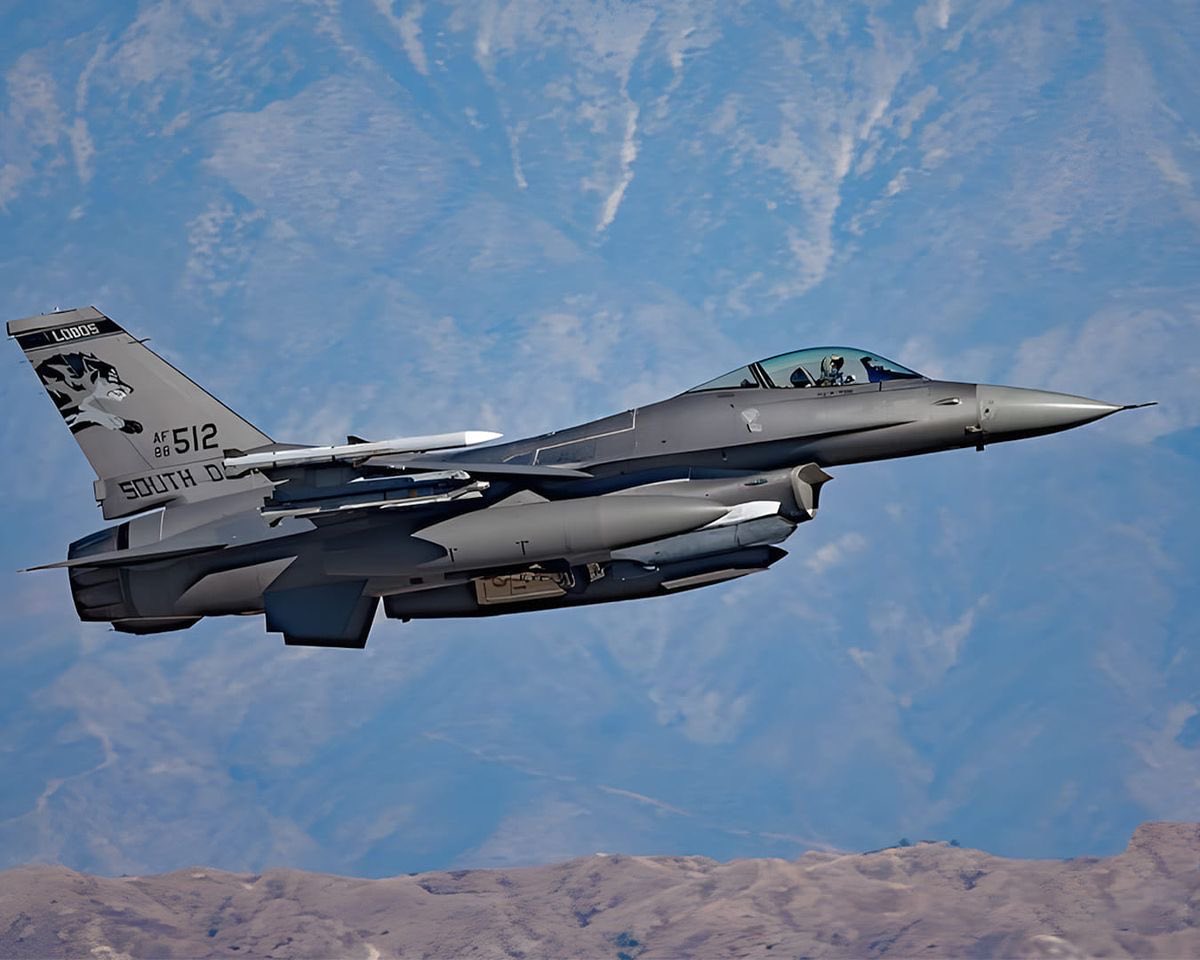
Several American warplanes crashed in Kuwait on Monday morning during a third day of Iranian retaliatory strikes across the Gulf. The Kuwaiti Ministry of Defence confirmed that all crew members survived and are currently in stable condition at a local hospital. Authorities have launched an investigation into the cause of the crashes, which occurred amid intense aerial activity. This incident marks the most significant military escalation in Kuwait since the 2003 invasion of Iraq.
Black smoke billowed over the US embassy in Kuwait City as sirens warned residents of incoming missiles and drones. While the embassy has not confirmed a direct hit, it issued an urgent security alert ordering all personnel to shelter in place. Iranian forces claim to have fired 15 cruise missiles at the Ali Al Salem air base, which hosts American troops. The strikes have already claimed five lives across the Gulf, including one fatality in Kuwait.
Civilian and industrial infrastructure are increasingly caught in the crossfire of this widening conflict. Shrapnel from intercepted drones struck a fuel container at a major power station, causing a blaze in the north of the country. Separately, the Kuwait National Petroleum Company reported that two workers were injured by debris at the Mina Al Ahmadi refinery. Although production remains uninterrupted, the proximity of the strikes to vital oil assets has rattled global energy markets.
The offensive is not limited to Kuwaiti soil. Blasts were recorded in Abu Dhabi, Dubai, Doha, and Manama as Tehran continues to target American allies. In the United Arab Emirates, falling debris reportedly damaged the Etihad Towers, which houses several diplomatic missions. These attacks follow the killing of Iran’s supreme leader in recent US-Israeli strikes. Iran’s military says it is also targeting vessels in the Indian Ocean to disrupt American logistics.
Residents are reacting with visible alarm to the deteriorating security situation. Long queues formed at petrol stations in Kuwait City as families began stocking up on basic necessities and fuel. For a region that has long marketed itself as a stable haven for global trade and tourism, the sight of air raid sirens and smoke plumes is transformative. The psychological barrier of safety in the Gulf has been breached.
The presence of a large US military contingent in Kuwait, a legacy of the 1990 Gulf War, has now made the small nation a primary target. Iran appears intent on proving that no American installation in the region is beyond its reach. As air defences struggle to intercept every incoming threat, the risk of a miscalculation leading to a broader regional war grows.