

El-Rufai Family Replies ICPC Over Espionage Allegations
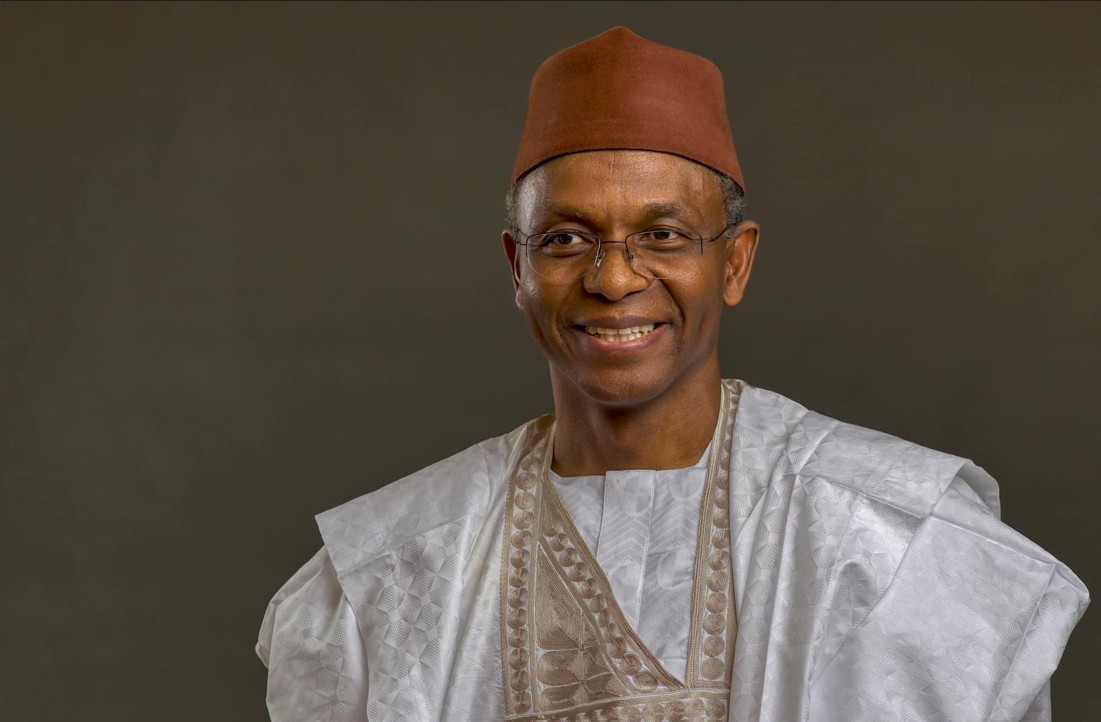
The family of Nasir el-Rufai has dismissed claims by the Independent Corrupt Practices and Other Related Offences Commission (ICPC) that surveillance equipment and secret documents were seized from the former governor’s Abuja home. In a sharp rebuttal issued on Tuesday, the family described the allegations as “theatrical posturing” and a “work of fiction.” The dispute marks a significant escalation in the legal battle following the detention of the former Kaduna State helmsman.
Hadiza Isma, the former governor’s wife, took to social media to directly challenge the commission’s narrative, stating she was present during the raid and no such equipment was found. The ICPC had earlier filed a counter-affidavit claiming it recovered devices capable of intercepting confidential communications. These conflicting accounts suggest a deepening rift between the anti-graft agency and one of Nigeria’s most prominent political figures.
Muhammed Bello el-Rufai, a member of the House of Representatives and the former governor’s son, defended his father’s refusal to answer questions during interrogation. He argued that the right to silence is a fundamental constitutional guarantee, not an admission of guilt or an act of non-cooperation. The family maintains that the ICPC is attempting to “weaponise” this silence to prosecute a media war instead of presenting a credible case in court.
Read Also: ICPC Recovers Wiretapping Equipment From El-Rufai Residence
The ICPC told the Federal Capital Territory High Court that the detention is necessary to conclude an investigation into financial misconduct between 2015 and 2023. The commission’s probe targets loans obtained by the Kaduna State government, procurement irregularities, and suspicious transfers to private companies. According to court filings, the agency began gathering bank documents shortly after el-Rufai’s return to the country in February.
In response, el-Rufai has filed a suit alleging that his arrest and detention violate his fundamental rights, seeking ₦1 billion in damages. He has remained steadfast in his refusal to engage with investigators outside a courtroom. “Charge me, if you have anything against me,” the former governor reportedly told officials, challenging the agency to end what he calls a “politically motivated” two-year investigation.
This standoff underscores the rising friction between Nigeria’s anti-corruption bodies and political actors who claim the agencies are being used for partisan ends. While the ICPC insists it is following a legitimate petition regarding state funds, the el-Rufai camp views the “espionage” narrative as a smear campaign. The case now rests with the FCT High Court to determine if the commission’s actions align with the rule of law.