
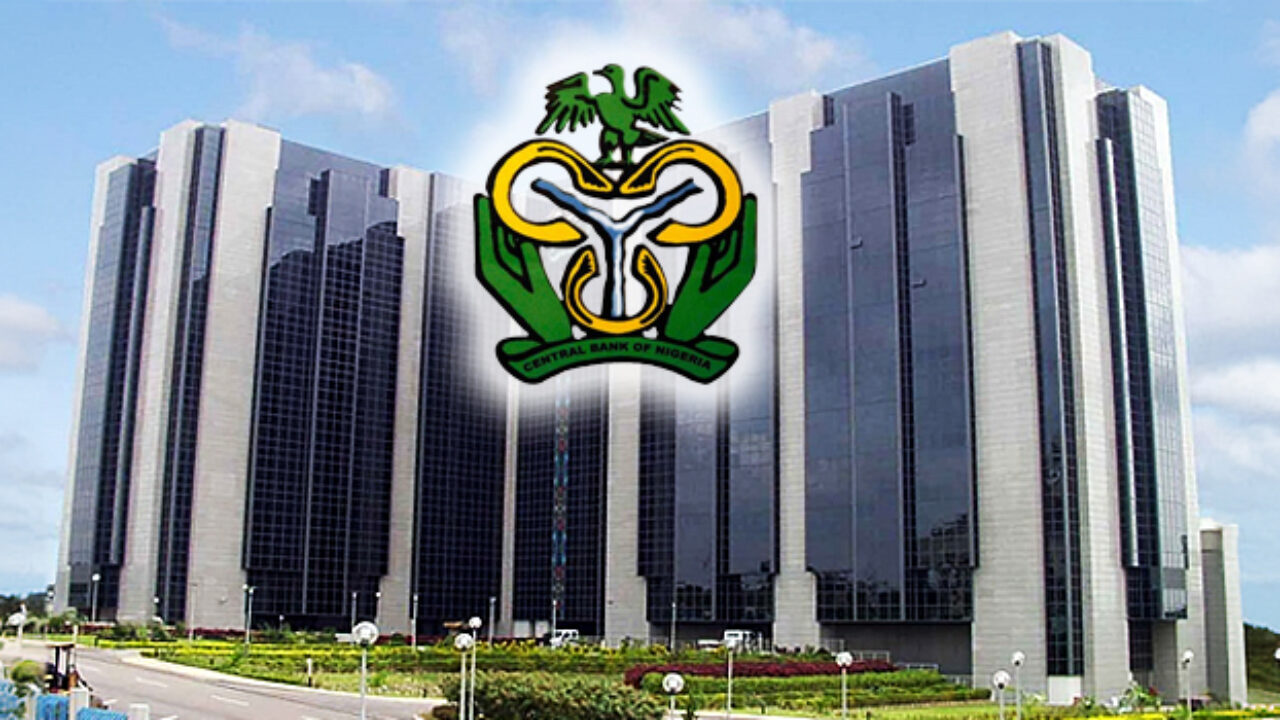
The Central Bank of Nigeria (CBN) has confirmed that 30 banks have successfully met the new minimum capital thresholds ahead of the March 31 deadline. Mrs. Hakama Sidi Ali, the Acting Director of Corporate Communications, disclosed on Friday that 33 lenders have raised fresh capital through rights issues, private placements, and initial public offerings. The remaining institutions are currently undergoing a final verification process. This marks the home stretch of a 24-month recapitalisation exercise designed to insulate the financial system against domestic and external shocks.
The Olayemi Cardoso-led CBN launched this programme in early 2024 to address a long-standing disparity between bank profits and their actual loss-bearing capacity. Under the revised rules, the bar for international commercial banks jumped from a modest N25 billion to a staggering N500 billion. National banks must maintain N200 billion, while regional banks must hold N50 billion. The apex bank insists these higher floors are necessary to support Nigeria’s goal of becoming a $1 trillion economy.
Industry stability remains the primary focus of the regulator. By forcing banks to “bulk up,” the CBN is ensuring they have the liquidity to fund large-scale infrastructure and industrial projects. The exercise has also sparked a flurry of activity in the capital markets, as banks scrambled to woo investors during a period of high domestic interest rates. Officials state the Nigerian banking system is currently “stable and sound,” with the recapitalised entities now possessing significantly broader risk-taking capabilities.
The transition has not been without its pressures. The massive leap in capital requirements forced several boards to choose between aggressive fundraising and downgrading their licence categories. For those who met the N500 billion mark, the reward is the ability to maintain offshore subsidiaries and handle complex international trade finance. The CBN has promised continued “close supervisory engagement” to ensure that the new capital is not just sitting on balance sheets but is actively supporting households and businesses.
With only weeks remaining until the compliance window shuts, the focus shifts to the few laggards. Banks that fail to secure the required “verified” status by month-end may face mandatory mergers or acquisitions. The regulator’s “routine verification” is the final gatekeeper, ensuring that the funds raised are genuine and free from the “paper capital” issues that plagued previous exercises. This transparency-driven approach is intended to restore global investor confidence in Nigeria’s financial sector.
Ultimately, this reform aims to create a leaner, more resilient banking tier capable of competing with continental peers in South Africa and Egypt. The successful capital injection of 30 banks suggests that the market still has an appetite for Nigerian financial assets despite broader macroeconomic headwinds. As the March 31 finish line approaches, the “new look” of Nigerian banking appears to be one of consolidated strength rather than fragmented fragility.