
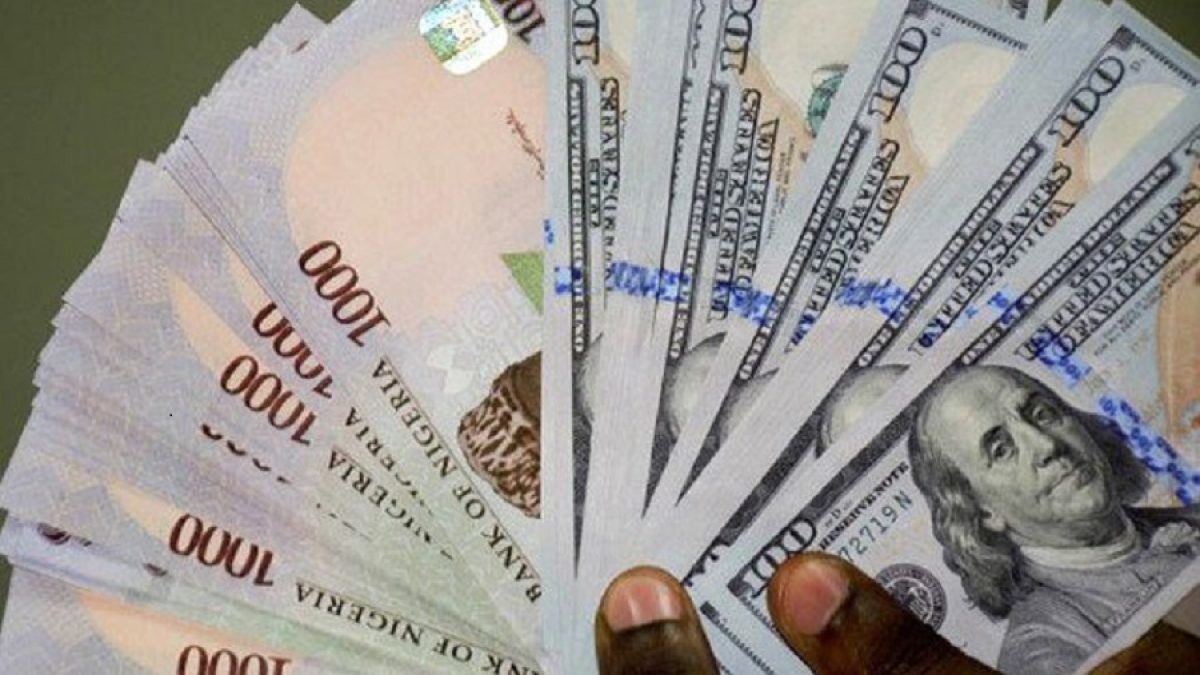
The Nigerian Naira opened the second week of March 2026 with a show of resilience, trading at 1,391.58 per dollar in the official Nigerian Foreign Exchange Market (NFEM) on Monday, March 9, 2026. This represents a slight appreciation from the 1,398.00 closing rate recorded last Friday. Market transparency remains at an all-time high as the Central Bank of Nigeria (CBN) continues to flood the gates with liquidity, successfully curbing the erratic devaluations that once plagued the manufacturing sector.
The “black market” premium has effectively evaporated under the weight of the CBN’s rate harmonisation strategy. In informal hubs across Lagos, Abuja, and Kano, the dollar is changing hands at between 1,400 and 1,410, leaving a narrow spread of just 1.5%. Traders report that speculative hoarding has vanished, replaced by a steady flow of greenbacks through Bureau De Change (BDC) operators. This alignment suggests that the days of dual-rate arbitrage are firmly in the past.
A formidable fiscal cushion is the primary architect of this stability. Nigeria’s gross foreign reserves have breached the $50 billion milestone, giving the apex bank the “firepower” to defend the local currency against seasonal demand spikes. This reserve growth is underpinned by steady crude oil production, which is currently holding at 1.46 million barrels per day. As domestic refining capacity scales up, the nation’s thirsty demand for petrol-related forex is beginning to slacken, further easing the pressure on the NFEM window.
Investor sentiment is also being buoyed by a cooling inflationary environment. With headline inflation retreating to 15.10%, the real value of the Naira is becoming increasingly attractive to foreign portfolio investors. This “disinflationary tailwind” has turned the Nigerian bond market into a hotspot for yield-seekers, creating a virtuous cycle of capital inflows that supports the exchange rate. Analysts expect the Naira to hover between 1,385 and 1,400 for the remainder of the week.
The narrowing trade deficit signals a structural shift in the Nigerian economy. For the first time in a decade, the country is reducing its reliance on imported refined products, a move that saves billions in monthly forex outflows. While corporate demand typically peaks at the start of the month, authorized dealers maintain that the current supply levels are more than adequate to meet legitimate requests from manufacturers and institutional investors.
As the trading day progresses, the focus remains on daily turnover volumes. Fiscal authorities are signalling that the current “managed float” is achieving its goal of price discovery without the chaos of previous years. For the average Nigerian, this stability at the 1,391 mark offers a rare moment of predictability in a historically volatile market. The “second full week of March” is proving that the Naira’s recovery is not a fluke, but a hard-earned fiscal correction.