
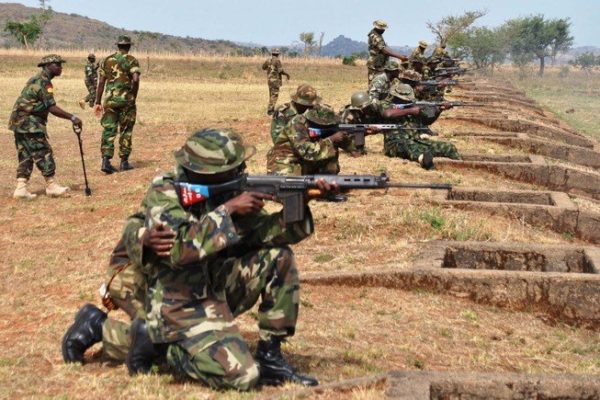
Nigerian troops have defeated a series of simultaneous terrorist assaults across Borno and Yobe states. The Islamic State West Africa Province (ISWAP) launched the coordinated strikes overnight between 8 and 9 March 2026. Targets included military positions in Delwa, Goniri, Kukawa, Mainok, and a forward base deep within the Sambisa Forest. While the army maintained control of all locations, the encounters resulted in fatalities among the defending forces.
The insurgents attacked from multiple directions in an attempt to overwhelm the military’s defensive perimeters. Heavy firefights broke out at Goniri and Kukawa, where base structures and vehicles sustained significant damage. Despite these momentary breaches, the Joint Task Force (North East) held its ground. Reinforced by the Air Component of Operation Hadin Kai, ground troops eventually forced the militants into a retreat.
The cost of the victory included the lives of several soldiers, including a high-ranking officer stationed in Kukawa. The military has not yet released the total number of casualties, but described the fallen as “brave and gallant.” Such losses underscore the persistent lethality of ISWAP despite years of counterinsurgency efforts. The army stated that these sacrifices would inspire continued operations against the remnants of the terror group.
Retreating terrorists abandoned a substantial cache of weaponry and hardware. Recovered items include PKT machine guns, AK-47 rifles, and various mortar and rocket-propelled grenade (RPG) bombs. This equipment suggests the attackers were well-provisioned for a sustained siege. The recovery of such ordnance provides a minor tactical boost to the military’s intelligence gathering.
Ongoing “cordon-and-search” missions are now sweeping through neighbouring communities. Ground forces are tracking wounded insurgents who fled the primary battlefields for local refuge. These follow-up operations aim to prevent the group from regrouping for a secondary strike. The military remains on high alert, citing a commitment to denying the terrorists any “freedom of action.”
This latest escalation follows a pattern of seasonal surges in insurgent activity. The synchronized nature of the attacks across two states suggests a sophisticated level of command and control within ISWAP. While the military has successfully defended its bases, the ability of the enemy to strike multiple points simultaneously remains a concern. The North East remains a volatile theatre, even as the nation’s attention is pulled toward global conflicts.