

Africa Wins Historic UN Vote On Slavery
Nigeria joined Ghana and 122 other member states of the United Nations General Assembly on Wednesday to adopt a landmark resolution declaring the transatlantic slave trade the gravest crime against humanity and calling for reparatory justice for people of African descent.
The resolution, led by Ghana, was adopted with 123 votes in favour, while Argentina, Israel and the United States voted against it. Fifty-two countries abstained, including the United Kingdom and all 27 member states of the European Union.
Although the resolution is not legally binding, it carries considerable political and diplomatic significance, especially for African and Caribbean countries that have long pressed for formal international recognition of the historical and continuing consequences of slavery.
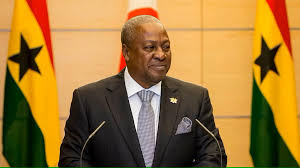
Ahead of the vote, Ghanaian President John Mahama addressed the General Assembly on behalf of the 54-member African Group, describing the resolution as a step towards historical truth, healing and justice.
“Today, we come together in solemn solidarity to affirm truth and pursue a route to healing and reparative justice,” Mahama said.
He noted that the vote coincided with the International Day of Remembrance of the Victims of Slavery and the Transatlantic Slave Trade, observed annually to honour the millions of Africans who were captured, trafficked and enslaved over centuries.
The resolution describes the trafficking of enslaved Africans and racialised chattel enslavement as the gravest crime against humanity because of what it calls their scale, duration, brutality, systemic nature and enduring consequences across generations.
It further argues that the legacy of slavery continues to shape global systems of labour, property, capital and racial inequality, with lasting effects on people of African descent around the world.
The measure calls on UN member states to begin or deepen discussions on reparatory justice, including a full and formal apology, restitution, compensation, rehabilitation, and policy reforms aimed at addressing racism and systemic discrimination.
It also urges the return, without charge, of cultural and historical items taken during slavery and colonial periods, including artworks, museum collections, archives, monuments and official documents, to their countries of origin.
UN General Assembly President Annalena Baerbock described slavery as “an affront to the very principles enshrined in the Charter of our United Nations and the Universal Declaration of Human Rights.”
She said countries from which enslaved Africans were taken suffered what she characterised as mass extraction of human and material resources.
UN Secretary-General António Guterres also used the occasion to call for stronger action against structural racism and discrimination, urging governments to remove the persistent barriers that continue to limit opportunities for people of African descent.
He called for greater access to education, healthcare, employment and housing, while also stressing the importance of African countries retaining control over their natural resources and development priorities.
The United States rejected the resolution’s reparations framework, saying it does not recognise a legal right to reparations for historical acts that were not considered illegal under international law at the time they occurred.
Washington also objected to the use of the term “gravest”, arguing that it creates an unnecessary hierarchy among crimes against humanity.
The European Union, in explaining its abstention, raised similar legal concerns, saying the wording could be interpreted as ranking crimes against humanity in a way not recognised under international law.
Still, for African countries and supporters of the resolution, the vote marks a symbolic but significant moment in the global campaign for historical accountability, recognition and justice over one of the most devastating systems of exploitation in human history.