
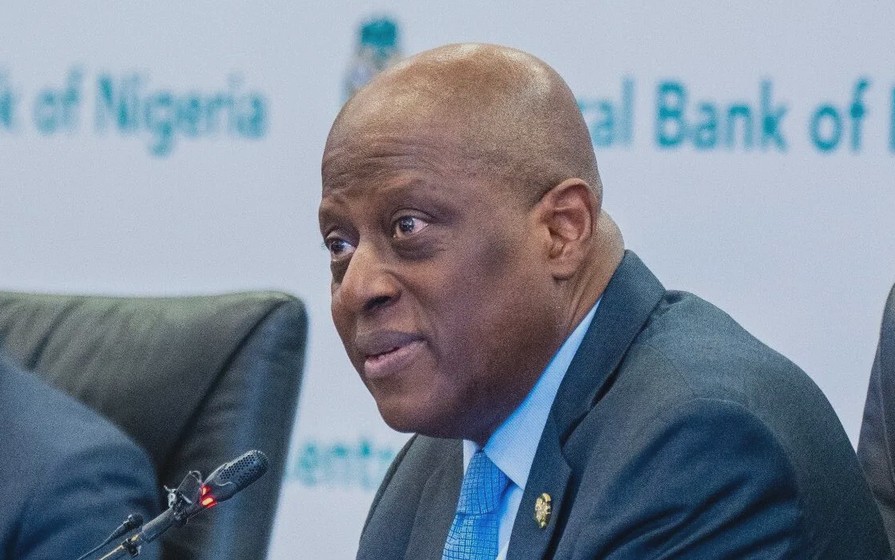
Nigeria has effectively ended the era of fiscal dominance. Central Bank of Nigeria (CBN) Governor, Olayemi Cardoso, announced on Thursday that the federal government’s “Ways and Means” debt has crashed to N2.84 trillion. This represents a massive reduction from the N26.95 trillion inherited by the current administration. Speaking at the Monetary Policy Forum in Abuja, Cardoso described the move as one of the sharpest fiscal consolidations in recent history. The bank has reined in the practice of printing money to fund government deficits, a habit that previously fueled inflation and weakened the Naira.
Monetary-fiscal discipline is the new anchor of the bank’s strategy. By January 2026, the portfolio had dropped significantly from the N3.51 trillion recorded in December 2024. Cardoso noted that this action restores compliance with the law and strengthens the independence of the Central Bank. It sends a clear signal to global markets that Nigeria is returning to orthodox central banking. The goal is to move away from arbitrary funding and toward a transparent, data-driven economy.
The Foreign Exchange (FX) market is showing similar signs of recovery. Diaspora remittances have tripled since the reforms began, rising from $200 million to $600 million monthly through formal channels. The CBN has set a target of $1 billion per month by the end of 2026. This structural shift has narrowed the parallel market premium to under 2%. Consequently, correspondent banking confidence has returned, and the gross external reserves reached a 13-year high of $50.12 billion in February 2026.
Net reserves have seen an even more dramatic surge. They rose from $3.99 billion at the end of 2023 to $34.80 billion by the end of 2025. This represents a 772% increase, providing a robust buffer against global economic shocks. Nigeria’s Balance of Payments also flipped from a deficit to a surplus of $4.59 billion in late 2025. These figures suggest that the bank’s efforts to attract organic inflows are working, reducing the reliance on volatile oil receipts.
Banking sector stability is the final piece of the puzzle. Cardoso revealed that 32 banks have already met the revised capital requirements under the ongoing recapitalisation programme. A stronger banking system is essential for the government’s ambition to build a $1 trillion economy. These banks are now better positioned to mobilise long-term capital and support productive investments. The focus is now shifting toward anchoring inflation firmly on a downward path toward single digits.
Finance Minister Wale Edun noted that while high interest rates currently pinch businesses and households, they remain a necessary tool to kill inflation. He suggested that as reforms take hold and price growth eases, rates could eventually decline. Both the fiscal and monetary authorities agreed that stability requires institutional discipline and policy coherence. The journey is not finished, but the foundation for a more predictable macroeconomic environment appears to be set.