
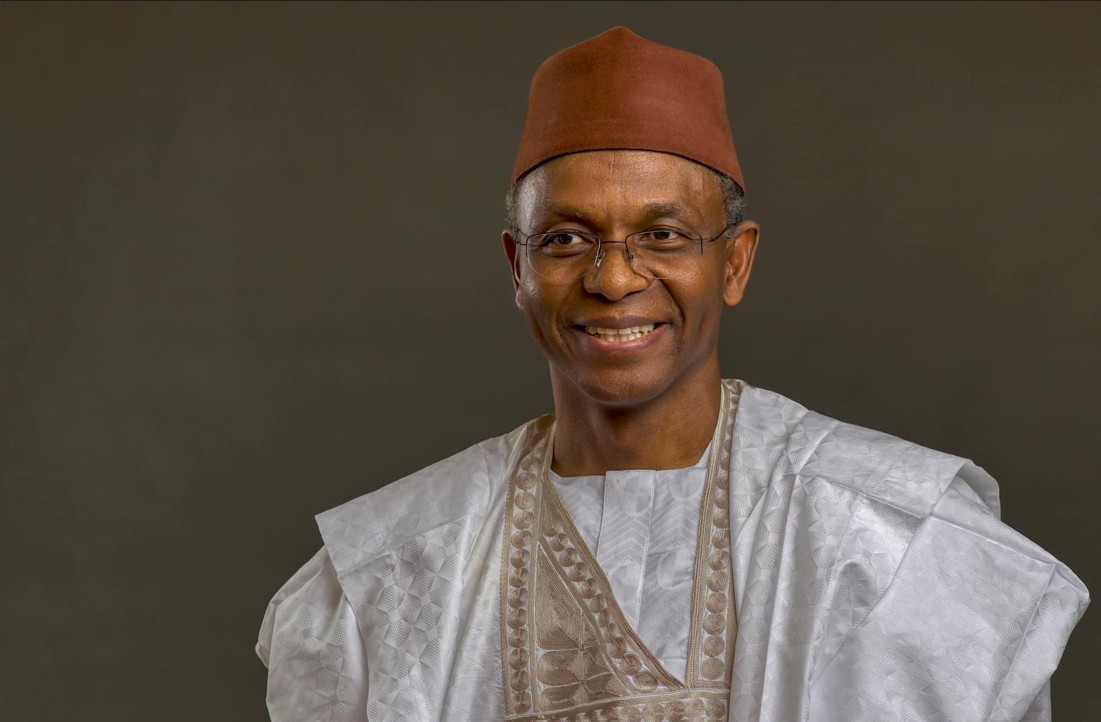
The Independent Corrupt Practices and Other Related Offences Commission (ICPC) has released Nasir El-Rufai from custody. The former Kaduna State Governor was granted leave on Friday night to attend the funeral of his mother, Umma El-Rufai, who passed away earlier that day. His son, Bashir El-Rufai, confirmed the development on social media, though he took the opportunity to label his father’s detention as “unlawful.” The commission has not yet clarified whether this release is a permanent bail or a reprieve on compassionate grounds.
El-Rufai has been in the net of anti-graft agencies since 18 February. His legal troubles began with the Economic and Financial Crimes Commission (EFCC) before his transfer to the ICPC. On Tuesday, he appeared before a Federal High Court in Kaduna to face a 10-count charge. The allegations involve the conversion of public assets and money laundering during his eight-year tenure as governor. He pleaded not guilty to all charges, maintaining that the prosecution is politically motivated.
The judicial process remains in a state of suspension. Justice Rilwanu Aikawa has adjourned the hearing for El-Rufai’s formal bail application until 31 March. Until that date, the former governor exists in a legal limbo. While he is free to bury his mother, the court still holds the final say on his liberty. The prosecution has argued against bail, citing the gravity of the alleged financial crimes and the risk of interference with ongoing investigations.
Public interest in the case is high. El-Rufai’s administration was marked by bold urban renewal projects but also dogged by allegations of high-handedness in land allocations. The current charges suggest that some of those land deals and asset transfers crossed the line into criminality. Supporters of the former governor have staged several protests in Kaduna, claiming the trial is a “witch-hunt” designed to settle old political scores ahead of the next election cycle.
The ICPC is under pressure to prove its independence. The spokesperson for the commission, Okor Odey, has remained tight-lipped regarding the specific terms of the Friday night release. Usually, such high-profile suspects are required to provide sureties or surrender travel documents even for temporary administrative bail. The commission’s silence suggests a delicate balancing act between enforcing the law and respecting the cultural sensitivities surrounding a bereavement.
Nigeria’s anti-corruption landscape is watching this case closely. If the ICPC secures a conviction, it would mark a significant scalp for an agency often overshadowed by the EFCC. For now, the focus shifts from the courtroom to the funeral rites. Once the mourning period concludes, El-Rufai must return to Kaduna to face a judge who will decide if he spends the duration of his trial in a cell or at home.