
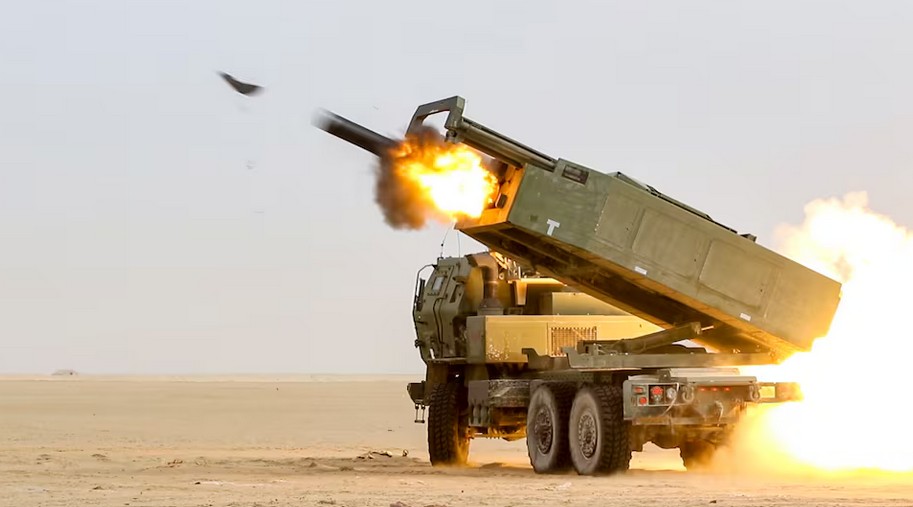
Japan has stationed long-range surface-to-ship missiles in its southwest region, placing parts of the Chinese mainland, including Shanghai, within striking distance. Defence Minister Shinjiro Koizumi confirmed on Tuesday that the batteries are now operational in Kumamoto on the southern island of Kyushu. The deployment marks a significant departure from Japan’s strictly pacifist post-war stance. Tokyo is moving rapidly to bolster its “counter-attack” capabilities as Beijing increases naval activity in the East China Sea. This strategic shift reflects the lowest point in Sino-Japanese relations in decades.
The newly installed missile system boasts a range of approximately 1,000 kilometres. Kumamoto sits roughly 900 kilometres from Shanghai, meaning Japan can now project power directly across the water. Koizumi described the move as an “extremely important initiative” for national deterrence. In addition to the long-range batteries, Japan has deployed “hyper-velocity gliding projectiles” in Shizuoka, closer to Tokyo. These advanced weapons are specifically designed to defend remote islands from amphibious invasion.
Tokyo’s military build-up follows years of increasing tension over the disputed Senkaku Islands. China, which claims the territory as the Diaoyu, has stepped up patrols in the surrounding waters. A 2022 policy shift allowed Japan to move beyond purely defensive ballistic missile shields, which the government now deems insufficient against modern threats. The latest defence white paper admits that relying solely on interception is no longer a viable strategy against advanced missile technologies. Japan is effectively re-arming in response to a more assertive neighbourhood.
Political ties between the two Asian giants soured further following recent comments from Prime Minister Sanae Takaichi. In November, she hinted that Tokyo might intervene militarily should China launch an attack on self-ruled Taiwan. Beijing views Taiwan as its territory and has consistently refused to rule out the use of force for reunification. Takaichi’s rhetoric has turned a territorial dispute into a potential flashpoint for a regional war. Japan now views the security of the Taiwan Strait as inextricably linked to its own survival.
The deployment has not been without domestic friction. Local media reported that the military moved missile launchers into the Kumamoto base without notifying the surrounding community. This lack of transparency sparked protests at the base gates earlier this month. Critics argue that hosting long-range missiles turns these residential areas into primary targets for Chinese pre-emptive strikes. The government, however, maintains that the risk of inaction far outweighs the danger of being prepared.
Japan’s shift toward a “counter-attack” doctrine is being closely watched by Washington and its regional allies. For decades, the country relied almost entirely on the United States for offensive capabilities. By developing and deploying its own long-range reach, Tokyo is becoming a more autonomous military power. This new reality complicates Beijing’s strategic calculus in the East China Sea. The era of a passive Japan appears to have come to a definitive end.