
Global Mobile Money Transactions Surge Past $2tn Mark
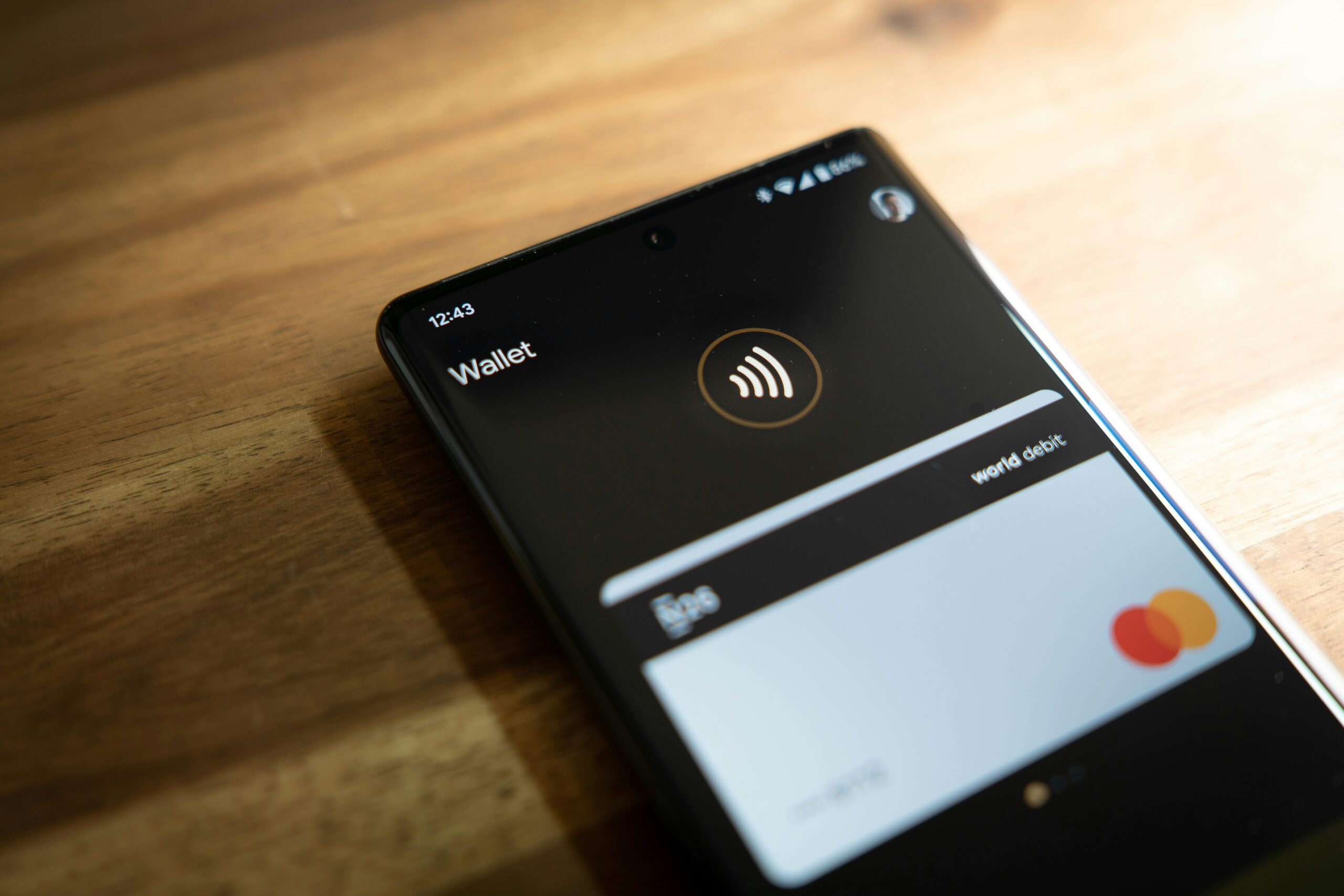
Global mobile money transactions hit a historic $2tn in 2025, doubling in value in just four years. According to the State of the Industry Report on Mobile Money 2026 by the GSMA, the sector has transitioned from a niche tool for the unbanked into a mainstream financial ecosystem. While it took two decades to reach the first $1tn milestone, the leap to the second took only a fraction of that time. This rapid scaling suggests that digital wallets are now the primary engine for financial inclusion across the developing world.
Registered accounts climbed to 2.3 billion in 2025, an increase of 268 million over the previous year. More importantly, active usage is tracking upward, with 593 million accounts engaged monthly—a 15 per cent year-on-year rise. Vivek Badrinath, Director-General of the GSMA, noted that the industry is evolving beyond simple person-to-person transfers. Mobile money now facilitates a complex web of credit, savings, and insurance products that were previously inaccessible to those without traditional bank accounts.
The report credits much of this growth to improved regulatory environments. Over 60 per cent of providers cited interoperability and clearer “know-your-customer” (KYC) rules as significant aids to their operations. However, the path is not entirely clear. Nearly a quarter of operators reported that restrictive cross-border data transfer laws remain a major hurdle. These “data sovereignty” rules often prevent regional players from scaling their services across multiple markets efficiently.
A persistent gender gap remains a significant blemish on the industry’s success. Outside of high-performing markets like Ghana, Kenya, and Nigeria, women are still less likely than men to use their accounts actively. This disparity suggests that while access is expanding, the “regular use” of digital financial tools is still influenced by traditional social barriers. The GSMA is calling for a greater focus on financial health outcomes specifically targeted at women to close this divide.
Beyond daily commerce, mobile money has proven vital for crisis management. The report highlights the speed of payouts during humanitarian emergencies, where digital cash replaces slow and risky physical distributions. The expansion of adjacent services, such as micro-insurance and digital credit, is also providing a safety net for vulnerable populations. The ecosystem is shifting from a mere “money-moving” service to a comprehensive digital public infrastructure.
The GSMA maintains that the future of the industry depends on deep integration and consumer protection. By prioritising interoperability between different providers and banks, the sector can ensure its services are sustainable. For millions of users, the mobile phone is no longer just a communication device; it is a branchless bank. As transaction values continue to outpace volumes, the economic weight of mobile money is only set to increase.