


US Gas Hits $4/Gallon Amid Iran War Chaos
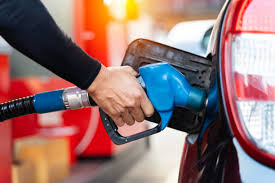
American motorists are now paying more than $4 per gallon at the pump for the first time in nearly four years, as the ongoing US-Israeli war against Iran continues to choke global energy supplies through the shutdown of the critical Strait of Hormuz.
The American Automobile Association (AAA) confirmed that the national average for regular gasoline has hit $4.018 per gallon — the highest level recorded since August 2022, when Russia’s war against Ukraine rattled global energy markets.
The price stood at $2.98 per gallon on February 26, two days before the United States and Israel launched their military campaign against Iran, meaning pump prices have surged more than 35 percent since the conflict began.
Diesel has been hit even harder, climbing to $5.45 per gallon according to AAA — a 45 percent increase since the start of the war. Economists warn the knock-on effect for supply chains could be significant. RSM US chief economist Joe Brusuelas has estimated that a 10 percent rise in diesel costs could push up headline consumer price inflation by 0.1 percent.
At the state level, California remains the most expensive fuel market in the country. GasBuddy recorded the state’s average at $5.87 per gallon as of March 31, driven by its special fuel blend mandate, limited pipeline infrastructure, and high state fuel taxes. Hawaii and Washington State follow closely behind.
The surge is rooted in the near-total disruption of shipping through the Strait of Hormuz. About 20 percent of the world’s oil supplies passed through the waterway before the war, and Iran’s effective closure of the strait to adversary nations has created what the International Energy Agency has described as the biggest oil supply disruption in history.
Crude oil prices spiked to nearly $120 a barrel within a week of the conflict starting before settling at around $100, compared to roughly $70 a barrel before the war began.
The Trump administration has moved to cushion the blow. Trump ordered the Department of Energy to release 172 million barrels from the Strategic Petroleum Reserve, a process expected to take about 120 days to deliver. The Environmental Protection Agency has also temporarily waived restrictions on higher-ethanol fuel blends to boost supply. Despite these measures, analysts say meaningful price relief depends entirely on oil flows resuming through the strait.
Vice President JD Vance acknowledged the strain on consumers, saying at an event in Michigan that the administration has “a problem” and is “doing everything we can to address it,” while promising that prices would fall once the war ends.
President Trump has set April 6 as his deadline for Iran to reopen the strait, threatening further military action if no agreement is reached. Analysts warn that if the waterway remains closed beyond mid-April, the scale of the global supply disruption could double, with roughly 4.5 to 5 million barrels per day already lost.
The average American household is projected to spend an additional $740 per year on fuel if elevated prices persist through the summer driving season, according to estimates from Stanford’s Institute for Economic Policy Research.