


Naira Holds Steady as Liquidity Cushions Demand
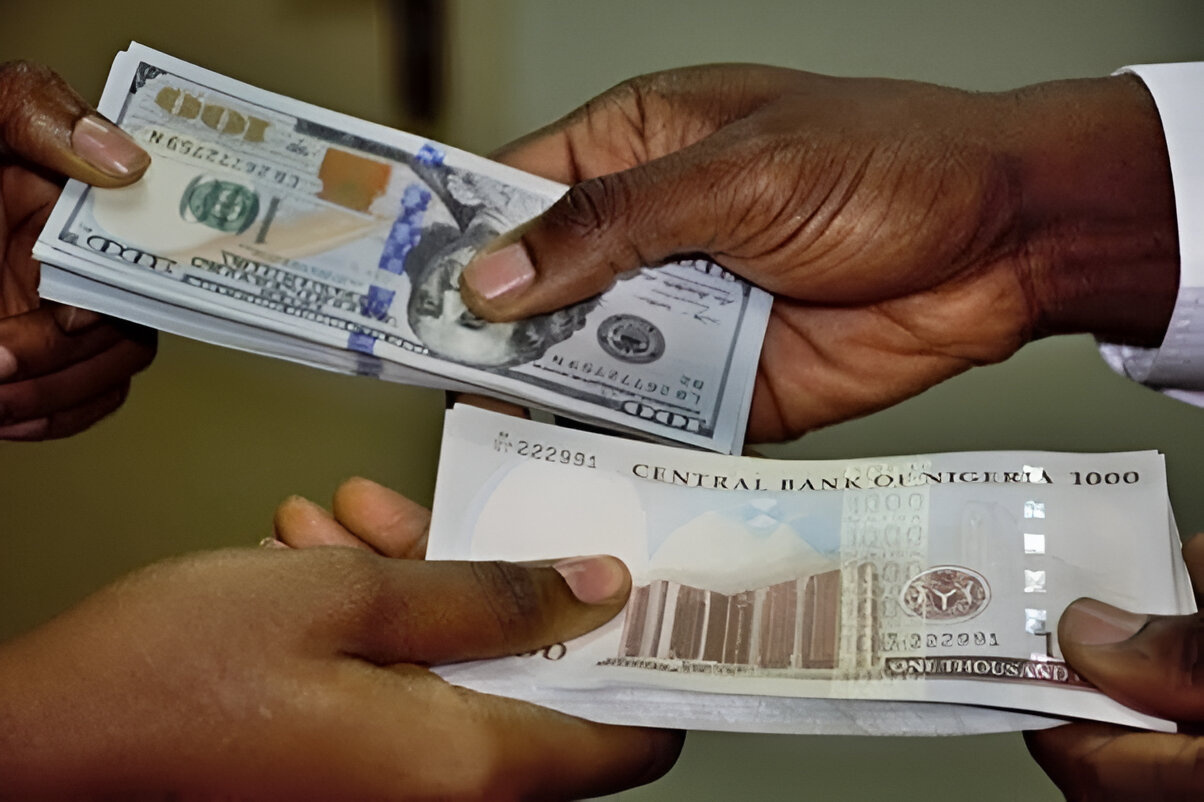
The naira opened the second quarter with quiet resilience, trading at ₦1,385.27 against the dollar on Wednesday. This stability marks a departure from the frantic devaluations that once defined the Nigerian Foreign Exchange Market. Traders report a steady flow of greenbacks from autonomous sources, suggesting that private supply is finally meeting local needs. The market now expects the currency to linger between ₦1,380 and ₦1,420 for the first week of April. Investors are keeping a close watch on the Central Bank of Nigeria, anticipating its next move on interest rates.
Seasonal pressures usually weigh heavily on the first day of April. Many firms choose this window to settle international invoices and clear their books. However, a massive pile of system liquidity, which topped ₦8 trillion in late March, has acted as a shock absorber. This cash cushion prevented the usual scramble for dollars from turning into a price spike. The currency remains shielded by a comfortable buffer of foreign reserves. Despite a minor dip last month, the national accounts still hold approximately $49.40 billion.
Oil remains the primary engine of this stability. High global prices for Bonny Light crude and consistent production levels have kept the foreign exchange pipeline flowing. This crude revenue provides the liquidity necessary to satisfy the domestic appetite for the dollar. Without this steady stream of petrodollars, the central bank would struggle to maintain the current equilibrium. The government appears to have found a temporary sweet spot between global energy demand and local currency management.
Much of the credit for this calm belongs to the Electronic Foreign Exchange Matching System. This digital framework has successfully curbed the wild, unpredictable swings that once made the naira a gambler’s currency. By automating the matching of buyers and sellers, the system has reduced the influence of speculators. Transparency is slowly replacing the opaque trading habits of previous years. Market participants now operate with a clearer view of the price discovery process.
Policy shifts at the Central Bank continue to dictate the broader mood. While the currency is stable for now, the shadow of inflation looms over future interest rate decisions. Higher rates could attract more foreign capital, yet they risk squeezing local businesses already struggling with costs. The regulator must balance the need for a strong naira with the necessity of economic growth. For the moment, the bank seems content to let the market find its own level within the current corridor.
The next few days will test the limits of this newfound composure. If corporate demand surges beyond current forecasts, the central bank may need to intervene to prevent a breach of the ₦1,420 ceiling. Most analysts believe the current reserves are more than enough to handle any short-term volatility. The era of the “currency crisis” has evolved into a period of managed caution. Whether this lasts depends on the persistence of oil prices and the discipline of the monetary authorities.