


Russia Pledges Permanent Oil Lifeline to Cuba
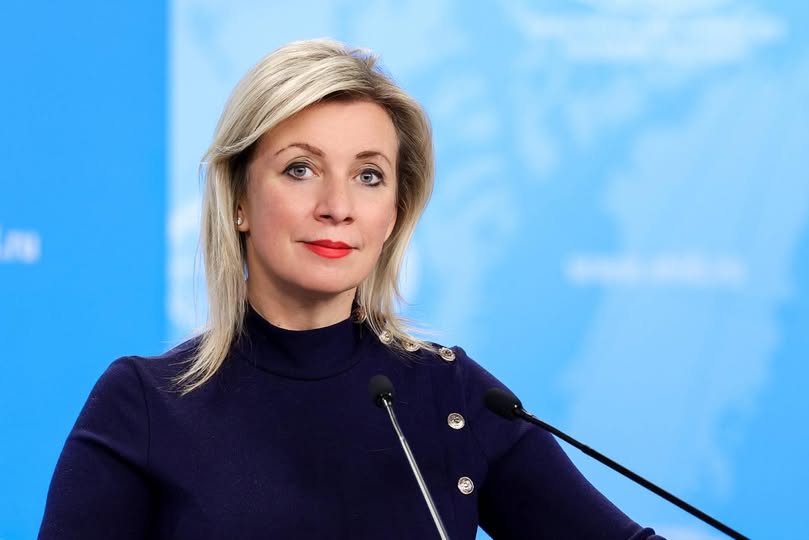
Russia has vowed to sustain its energy support for Cuba following the arrival of 730,000 barrels of crude in Matanzas. Foreign Ministry spokeswoman Maria Zakharova described the island as Russia’s “closest friend” in the Caribbean, insisting that Moscow has no right to abandon its ally. The shipment, delivered by the tanker Anatoly Kolodkin, ends a three-month fuel drought that pushed the Cuban economy to the edge of collapse. Zakharova also used the briefing to demand that Washington lift its “energy blockade” on the sovereign state.
The arrival of the Aframax tanker offers a brief reprieve for a nation enduring a systemic energy failure. Cuba has been reeling since January, following the abduction of Venezuelan President Nicolas Maduro by US forces. That geopolitical tremor severed Cuba’s primary oil artery, leaving the island of 10 million people in near-total darkness. Public transport, hospitals, and food production have all flirted with total breakdown as the grid flickered out. This Russian cargo provides enough diesel to meet national demand for perhaps ten days.
Washington’s stance on the shipment has been uncharacteristically permissive, though wrapped in typical vitriol. President Donald Trump claimed he allowed the tanker to pass for “humanitarian reasons,” while dismissing the Cuban leadership as corrupt and “finished.” This calculated mercy suggests the US is wary of a total humanitarian catastrophe on its doorstep, even as it maintains its squeeze on Havana. For Trump, one boat of oil is a minor concession that does not alter his broader goal of regime change.
Cuba’s domestic energy profile remains dangerously lopsided and dependent on foreign whims. The island produces barely 40% of its required fuel, leaving it at the mercy of its increasingly isolated allies. Energy and Mines Minister Vicente de la O Levy publicly cheered the Russian arrival, calling it a “valuable shipment” in a complex hour. However, the celebration underscores a grim reality: Havana is now entirely reliant on a Moscow-to-Matanzas shuttle to keep its lights on.
The geopolitical theatre in the Caribbean is a throwback to Cold War dynamics, albeit with higher stakes. Russia is using its energy exports to signal that its sphere of influence remains global, even in the “backyard” of the United States. By backing the Cuban government, Moscow is positioning itself as the only barrier between the island and total economic erasure. This patronage is not merely charitable; it is a strategic stake in a region where the US has recently flexed significant muscle.
Despite the current breathing room, the long-term outlook for Cuba remains bleak without a stable supplier. Ten days of fuel is a bandage on a haemorrhage, not a cure for a broken energy grid. If the US blockade persists and Venezuelan supply remains offline, Russia will have to commit to a massive, costly logistical chain. For now, the people of Cuba are left to enjoy a rare week of electricity, wondering when the next tanker will appear on the horizon.