
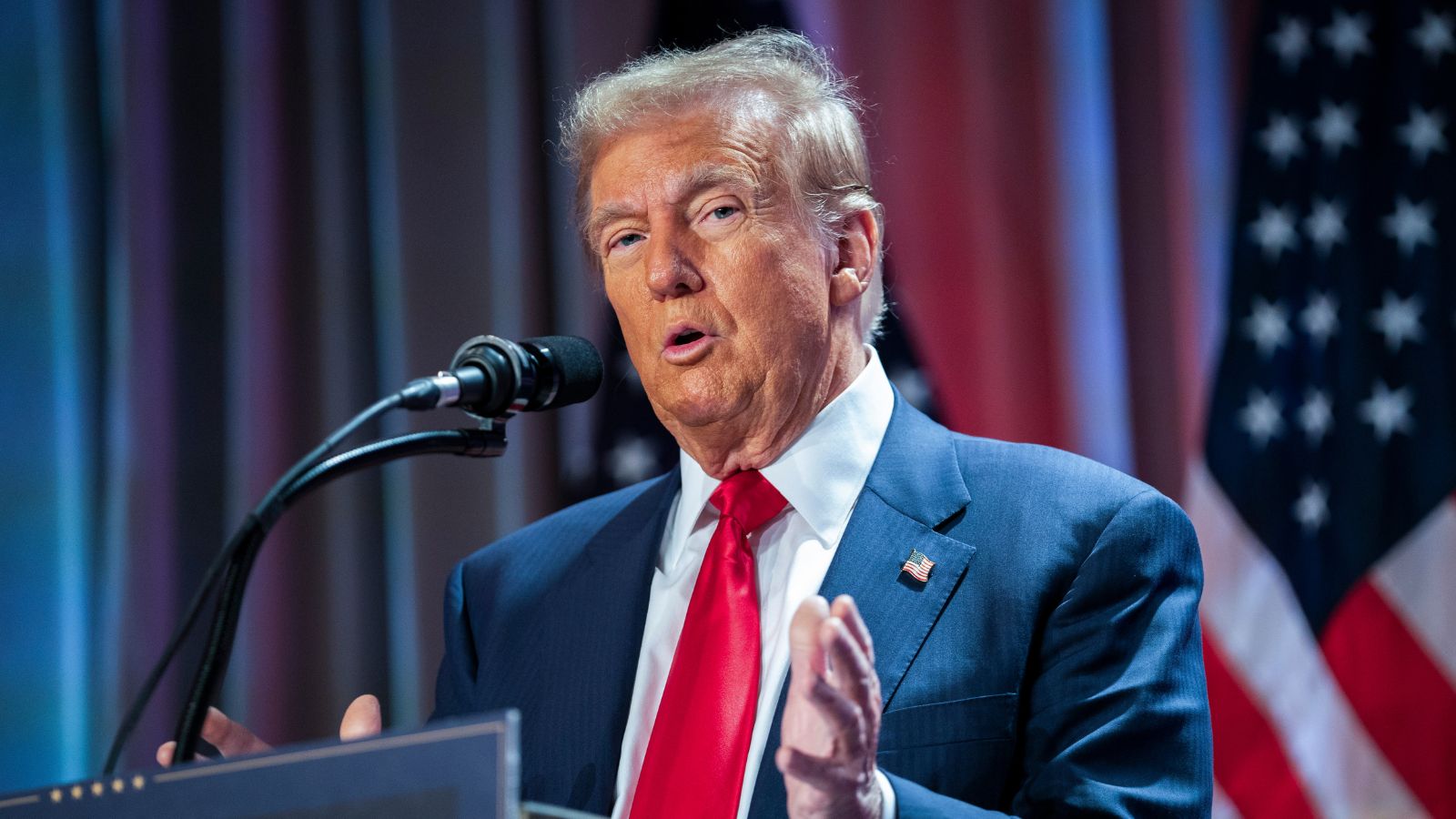
President Donald Trump has warned that the United States will hit Iran “extremely hard” for the next two to three weeks to force an end to the month-long conflict. In a televised address from the White House on April 1, Trump claimed the war’s “core strategic objectives” are nearly met. He sought to reassure a sceptical American public that the offensive, which began on February 28, is entering its final stretch. Despite his optimistic tone, the president offered no clear timeline for a total withdrawal or a diplomatic resolution.
The conflict has already reshaped the Middle Eastern power structure following the assassination of Supreme Leader Ali Khamenei in the opening strikes. Trump signalled a willingness to negotiate with Tehran’s new leadership, describing them as “less radical” than their predecessors. However, the threat of escalation remains high. If a deal is not reached, Washington has threatened to destroy Iran’s national power grid. For now, the American strategy appears to be one of maximum kinetic pressure to extract a surrender.
Global energy markets are in turmoil as the Strait of Hormuz remains effectively closed. One-fifth of the world’s oil supply is trapped behind the narrow waterway, which the Revolutionary Guards vow to keep shut to “enemies.” Trump’s call for international help to reopen the passage has so far failed to lower prices. The economic fallout is starting to bite at home, contributing to the president’s sinking approval ratings. Voters who backed an “America First” agenda now find themselves funding a massive expeditionary war with global consequences.
Tehran has dismissed Washington’s talk of a ceasefire as “irrational.” Iranian officials confirmed that while messages are being passed through Pakistan, direct negotiations are not taking place. President Masoud Pezeshkian took to social media to challenge the American public, questioning whether the war truly serves their interests. He accused Washington of committing war crimes under the influence of Israeli hawks. This war of words suggests that despite Trump’s claims of progress, the ideological gulf remains wide.
The violence continues to spill across borders, hitting US allies and bases throughout the Gulf. Recent Iranian drone and missile barrages struck targets in Tel Aviv, Eilat, Bahrain, and Kuwait. A major fire broke out at Kuwait’s international airport, and casualties have been reported in the UAE and Israel. As Israel began the Passover holiday under the wail of air-raid sirens, the regional “shield” promised by Washington is being tested to its limits. Over 1,300 people have already died in Lebanon since Israel engaged Hezbollah in early March.
Within Iran, the civilian and industrial toll is mounting. Strikes have recently hit Isfahan’s airport and several steel complexes, while explosions continue to rock Tehran. Mojtaba Khamenei, the new supreme leader, has emerged from hiding to condemn what he calls a “ruthless” enemy. The funeral of a high-ranking naval commander in Tehran drew thousands of mourners, signalling that nationalist resolve may be hardening rather than cracking. The next three weeks will determine if Trump’s “hard hits” bring a peace deal or a much longer, bloodier stalemate.